Water Mitigation Process Explained: Steps, vs. Restoration & Why It Matters
Updated on: November 2, 2023
Author: Tracy King
A heavy rain in Austin can lead to a basement filled with floodwater, or a slow leak in a home’s plumbing can lead to hidden water damage and mold. No matter how the disaster happens, homeowners need to know when the damage requires a professional water mitigation process.
However, the average homeowner typically doesn’t have much experience with water damage, let alone the mitigation process. As a result, they often confuse the terms restoration and mitigation. Though both of these services are necessary to return a property to its original condition, they serve two distinct purposes.
To gain a better understanding of what a water mitigation company in Austin does, homeowners should continue reading.
What is Water Mitigation?
The water restoration process cannot begin until the company has taken the first step to mitigate further water damage. The water mitigation process may look different from one project to the next, but the goal remains the same—to stop the source of water and prevent the damage from spreading. Depending on the source of the water, the step to stop the flow may be simple or require plumbing work.
Water mitigation is then completed by removing any standing water that may remain inside the property. It also takes a look at moisture control and uses techniques to pull any water from the air or building materials.
The water mitigation process is the best way for contractors to prevent mold from growing or spreading. It also prevents buckled floors and crumbled drywall. Once the water mitigation process is complete, the restoration and repairs can finally begin.
What is the Water Mitigation Process?
Many homeowners don’t know what to expect when the water damage mitigation process starts. It is much different than a restoration, and it includes the following steps.
- Inspection - When a water mitigation company is hired, they immediately come to the property to inspect and assess the damage. Not only do they take a look at how far the water damage has spread, but they also take the type of water damage into consideration. At this point, they may also do emergency repairs or board up the property to stop the flow of water.
- Extraction - Next, the team of technicians gets to work extracting all of the standing water that remains in the house. If there is deep standing water, they will bring in truck-mounted pumps that can quickly and efficiently extract gallons of water per second. Once the majority of water is removed, they begin to use wet/dry vacuums that can remove the last bits of water from porous materials. This process is a vital step in emergency water damage cleanup to prevent further issues.
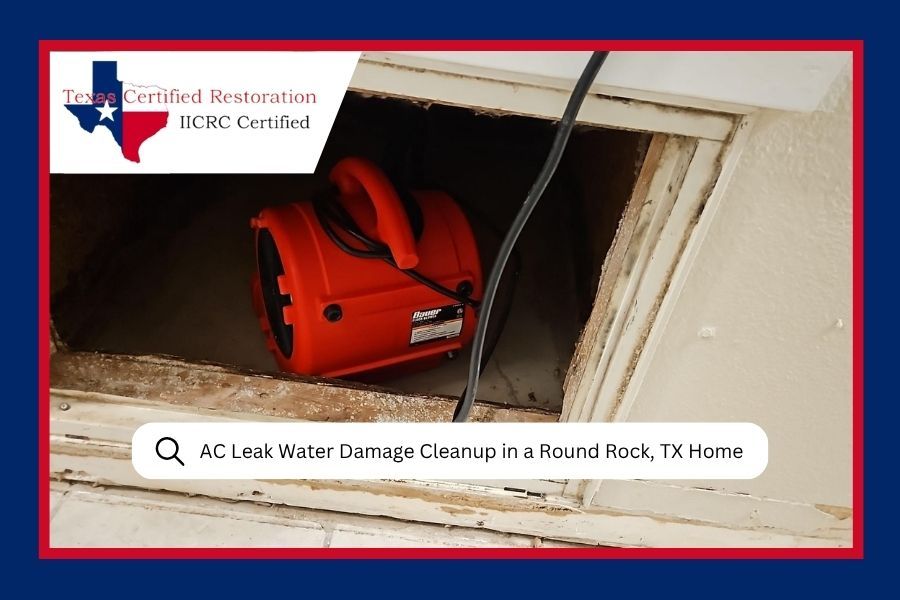
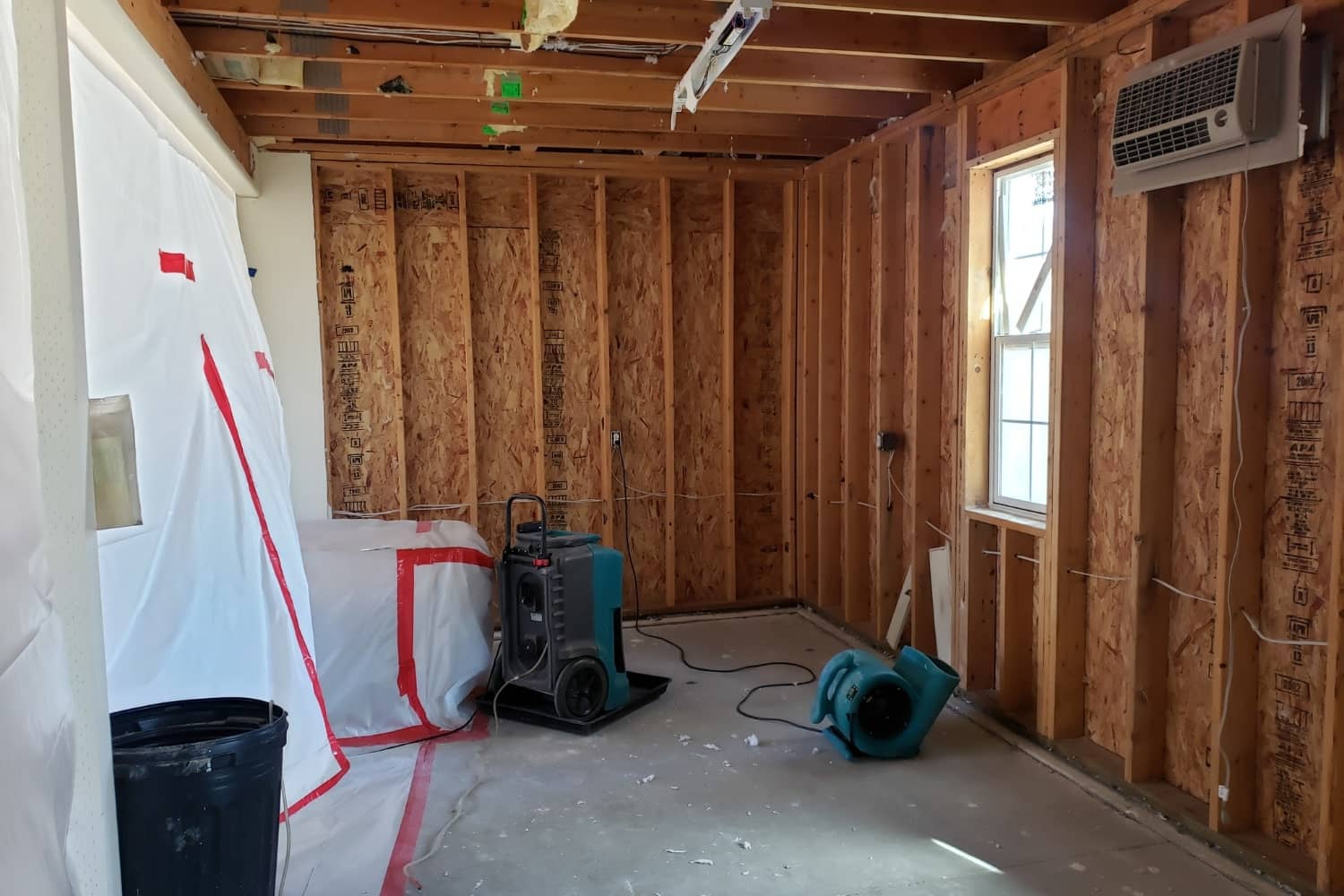
- Drying -Even the best extraction tools cannot fully remove all of the water from the home’s porous surfaces. That’s why water mitigation companies also use tools for dehumidification and drying. The most common tools used include industrial-grade fans, heavy-duty air movers, and commercial dehumidifiers. All of these tools are used until the moisture meters indicate that the property has been thoroughly dried. This can take a few hours or several days, depending on how extensive the water damage is.
- Stabilization -This step of the water mitigation process focuses on drying specific areas that are prone to secondary water damage, such as rot and mold. For example, it is typically done in an effort to prevent buckling floors or crumbling drywall.
- Cleanup - Finally, a water mitigation ends when the company starts to clean up the job site. They can usually start this step while the drying continues, but either way, it’s important to clear out any remaining debris. They may also take the time to sort out salvageable household contents that will need to be cleaned.
Read About - The steps for efficient water removal
How Does Water Mitigation Differ from Water Restoration?
The process of restoring water damage looks much different. As mentioned, the two services differ based on when they occur. Restorations always have to occur after a mitigation, but most water damage mitigation companies also offer restoration as a full-service solution.
When the restoration process begins, there is much more emphasis on repairing the property and getting it back to its pre-loss condition. This is typically done by tearing out damaged materials, repairing or replacing them, and doing any mold removal.
To find out more about what a water mitigation company does, homeowners should reach out to the highly trained professionals of
Texas Certified Restoration. They can provide more information on their water damage clean-up services, including restorations. Customers can reach the experienced company 24/7 for emergency services by phone, or they can
submit the online quote form to request pricing for less urgent jobs.

Tracy King
About The Author:
Tracy King, of Texas Certified Restoration, brings over 10 years of combined industry experience to the disaster restoration field. Since the founding of the company, Tracy has been committed to providing professional and dependable restoration services to homeowners and businesses throughout the Greater Austin area. With a passion for helping clients navigate the challenges of water damage, fire damage, and other disaster-related situations, Tracy leads a certified team dedicated to delivering quality service that helps families and businesses resume normal life after unexpected emergencies.
Read More: