Severe Weather Preparation for Round Rock Homeowners
Updated on: January 13, 2026
Author: Tracy King
Jump to Section:
- → Understanding Round Rock's Weather Patterns
- → Creating Your Home Weather Defense Plan
- → Essential Supplies Every Round Rock Home Needs
- → Monitoring Weather and Knowing When to Act
- → What to Do When Severe Weather Strikes
- → After the Storm: Assessment and Recovery
- → Working With Your Insurance Company
- → Building Long-Term Resilience
- → Get Professional Help When You Need It
When you live in Round Rock, you know severe weather isn't a matter of if , it's a matter of when. Those dark clouds rolling in from the west? They could bring anything from a quick thunderstorm to flooding rains that leave your neighborhood looking like a lake. We've seen it all working in the restoration business, and honestly, the homeowners who fare best are the ones who prepare before the first raindrop falls.
Let's walk through how you can protect your home and family when severe weather threatens. No fear-mongering here, just practical advice from folks who've been cleaning up storm damage across the Greater Austin area for over a decade. And if you do end up needing water damage restoration in Austin, we're here 24/7 to help.
Understanding Round Rock's Weather Patterns
Round Rock sits right in the middle of Central Texas, which means we get hit with some pretty intense weather systems. Unlike areas further east, we don't typically deal with hurricanes directly, but those tropical systems? They send us their leftover moisture, and boy, does it come down hard sometimes.
Spring and early summer bring the heavy thunderstorms. We're talking the kind that dump several inches of rain in just a few hours. Your yard becomes a pond, street drains can't keep up, and water starts finding its way into places it shouldn't, like your garage or crawl space.
The good news is that we don't deal with the tornado activity you'd see in North Texas, and our winters are mild enough that frozen pipes aren't a constant worry. But flash flooding? That's our biggest concern, especially in neighborhoods near Brushy Creek or areas with poor drainage.
Don't wait until water's soaking into your floors. Our team at Texas Certified Restoration responds immediately to flood damage restoration emergencies. Call us at (512) 883-6760 anytime, day or night.
Creating Your Home Weather Defense Plan
Preparing your home for severe weather doesn't require a massive investment or a whole weekend of work. It's about tackling a few key areas that make the biggest difference when storms roll through.
Protecting Your Roof and Gutters
Your roof is your home's first line of defense, and honestly, it takes a beating. Before storm season hits, grab a pair of binoculars and check for missing or damaged shingles. Look for any spots where the roof seems to sag or where flashing around vents and chimneys might be loose.

Regular roof inspections help catch small problems before severe weather turns them into major damage.
Gutters deserve just as much attention. Clogged gutters send water cascading down your exterior walls instead of away from your foundation. Clean them out thoroughly, check that downspouts direct water at least six feet away from your home, and make sure everything is securely attached. We've responded to plenty of water damage calls that could have been prevented with clean gutters and properly positioned downspouts.
Securing Windows, Doors, and Outdoor Items
Windows rarely break during Texas thunderstorms unless something hits them. That "something" is usually outdoor furniture, planters, or kids' toys turned into projectiles by high winds. Before severe weather arrives, bring everything inside or secure it properly. Your patio chairs shouldn't become battering rams against your sliding glass door.
Check your window and door seals too. Run your hand along the edges on a windy day and feel for drafts. If air can get through, water definitely can. A tube of weatherstripping costs less than twenty bucks and takes about an hour to install around a door, it's probably the best storm prep investment you can make.
Landscaping That Works With Weather
Trees are beautiful until they're not, specifically when a major branch decides to fall on your roof during a storm. Walk your property and look for dead branches, trees leaning toward your house, or root systems that seem unstable. It's worth having a professional arborist assess any trees close to your home.
Pay attention to your yard's drainage patterns. Where does water naturally flow when it rains hard? If it flows toward your foundation, you've got a problem. Simple solutions include extending downspouts, creating swales to redirect water, or adding a rain garden in a low spot to collect runoff. The goal is to keep water moving away from your house, not pooling against it.
Essential Supplies Every Round Rock Home Needs
You can't control the weather, but you can control how prepared you are. Stock up on these essentials before storm season, not when the weather alert pops up on your phone and everyone's fighting over the last flashlight at Home Depot. The Ready.gov severe weather preparedness guide offers comprehensive checklists for different storm scenarios.
Storm Preparedness Checklist
LED flashlights, battery-powered lanterns, headlamps for hands-free work
Portable phone chargers, extra batteries, small generator if possible
1 gallon per person per day for 3 days, non-perishable food items
Updated medications, basic medical supplies, prescription medications
Insurance policies, ID, home ownership papers in waterproof container
Heavy-duty tarps, rope, duct tape, plywood, basic tools
Creating Your Family Emergency Plan
Sit down with everyone in your household and actually talk through what you'd do if severe weather hits. Where's your safe room? Ours is an interior bathroom on the ground floor, no windows, sturdy walls. Practice getting there quickly.
Make sure everyone knows how to shut off utilities if needed. Your gas, water, and electric shut-offs should be clearly labeled. We've seen too many situations where water damage got worse because no one knew how to turn off the main water valve when a pipe burst during a storm.
Designate an out-of-state contact person. When local cell towers get overwhelmed during severe weather, long-distance calls sometimes go through more reliably. Everyone should have this contact's information memorized or written down.
Monitoring Weather and Knowing When to Act
Technology has made storm tracking pretty incredible. You don't need a meteorology degree to stay informed, you just need to know which tools to use.
Download the National Weather Service app and enable alerts for Williamson County. Sign up for Round Rock's emergency alerts through the city website. These systems send you notifications about severe weather watches and warnings specific to our area.
Watch vs. Warning: Know the Difference
| Alert Type | What It Means | Your Action |
|---|---|---|
| Watch | Conditions are favorable for severe weather to develop | Stay alert and monitor updates |
| Warning | Severe weather is happening or imminent | Take immediate action to protect yourself |
| Flash Flood Warning | Flooding is occurring right now | Move to higher ground immediately |
Learn the difference between a watch and a warning. A watch means conditions are right for severe weather to develop, stay alert. A warning means severe weather is happening or imminent, take action now. When you hear "flash flood warning," that's your cue to move to higher ground and absolutely do not drive through standing water. The National Weather Service flood safety page explains the warning system in detail.
Keep an eye on radar during severe weather. Apps like RadarScope or even the standard weather app on your phone show you exactly where storms are and which direction they're moving. If you see a solid line of red and orange heading your way, it's time to move your preparations into high gear.
What to Do When Severe Weather Strikes
You've prepared, you've monitored, and now the storm is here. Stay calm and follow your plan.
Move to your safe room if tornado-like conditions develop. Bring your emergency kit, your phone, and your pets. Stay away from windows. If you're in a multi-story home, get to the lowest level. Cover yourself with blankets or a mattress for extra protection from flying debris.
During heavy rain and potential flooding, move valuables to higher floors if you have them. Unplug electronics on lower levels. If water starts entering your home, don't wade through it to grab things, your safety matters more than stuff.
Never, ever drive through flooded roads. That saying "turn around, don't drown" exists because people keep thinking their vehicle can make it through. It takes just 12 inches of moving water to carry away most cars. Not worth it.
After the Storm: Assessment and Recovery
Once the weather passes and authorities say it's safe, it's time to assess what happened. Take photos of any damage before you start cleanup, your insurance company will want documentation.
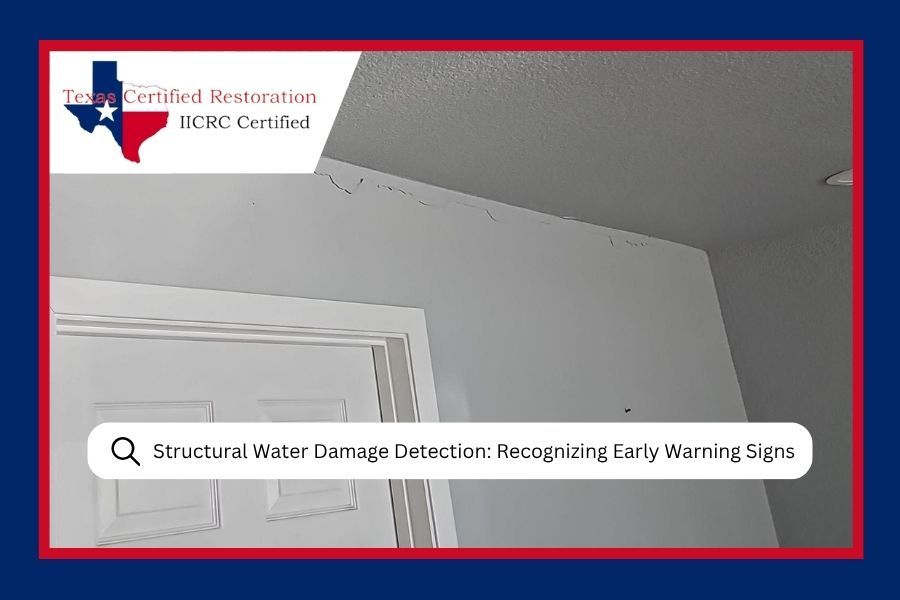
Check for structural damage carefully. Look for cracks in walls, sagging ceilings, or doors that suddenly won't close properly. If you smell gas, leave immediately and call the gas company from outside. If you see sparks or damaged electrical outlets, don't touch them, call an electrician.
Water damage needs immediate attention. Every hour you wait increases the likelihood of mold growth and structural damage. We typically recommend calling professionals within 24 hours of noticing hidden water damage warning signs. Our team has handled everything from minor leaks to major flooding, and trust us, acting quickly makes a huge difference in the final restoration cost.

Emergency board-up services protect your property from further damage and security risks after severe weather.
If you need emergency board-up services in Austin because of broken windows or damaged doors, don't put it off. Leaving your home unsecured invites additional problems, from weather exposure to potential theft.
Storm Damage? We're Available 24/7
Don't let water damage get worse. Our certified team responds immediately to emergencies across the Greater Austin area.
Get Emergency Help NowOr call us at (512) 883-6760
Working With Your Insurance Company
Document everything. Take photos and videos of all damage from multiple angles. Make a list of damaged items with estimated values if possible. Don't throw anything away until your adjuster has seen it, unless it's a safety hazard.
Call your insurance company as soon as possible after the storm. Most policies require prompt notification of damage. When the adjuster visits, walk through the property with them and point out everything you've noticed. Don't assume they'll catch every detail.
Keep receipts for any emergency repairs or temporary housing if you need to leave your home. Most policies cover reasonable expenses to prevent additional damage or to maintain your living situation during repairs. Save everything related to the claim.
If you're feeling overwhelmed by the damage restoration insurance claims process, professional restoration companies like ours work with insurance companies daily. We can help document damage, provide estimates, and communicate with adjusters on your behalf.
Building Long-Term Resilience
Once you've weathered your first major storm in Round Rock, you'll probably want to make some permanent improvements. Consider installing a sump pump if you have a basement or low-lying areas that tend to collect water. Look into impact-resistant roofing materials when it's time to replace your roof.
Elevate important systems when possible. Water heaters, HVAC units, and electrical panels mounted higher reduce flood damage risk. If you're in a flood-prone area, even raising these systems a few feet can make a significant difference.
Stay connected with your neighbors. Communities that look out for each other fare better during severe weather. Know who might need extra help, like elderly neighbors or families with young children. Share information about approaching storms and check on each other afterward.
Get Professional Help When You Need It
Some storm damage you can handle yourself. Other situations require professional expertise and equipment. We've built our business on being there when Round Rock homeowners need us most, and that means showing up fast with the knowledge and tools to stop damage from getting worse.
Whether you're dealing with storm damage restoration services, significant flooding, or any other disaster-related damage, don't hesitate to reach out. We've worked with countless insurance companies and understand exactly what documentation they need. Our team moves quickly to extract water, dry out structures, and prevent mold growth.
Questions about storm preparation or dealing with existing damage? Contact our Round Rock team anytime. We're available 24/7 because disasters don't wait for business hours, and neither do we. You can also learn more about our service area on our Round Rock restoration page.
Frequently Asked Questions
How quickly does mold start growing after water damage from a storm?
Mold can begin developing within 24 to 48 hours in ideal conditions, which unfortunately describes most water damage scenarios in Texas humidity. This is why we stress immediate action after flooding. The faster you extract standing water and start the drying process, the better your chances of preventing mold growth entirely. If you're past that 48-hour window, professional remediation becomes even more critical to handle existing mold safely.
Should I file an insurance claim for minor storm damage or handle it myself?
This depends on your deductible and the actual repair costs. If damage costs less than your deductible, filing a claim doesn't make sense. However, what looks minor on the surface might hide more extensive damage, particularly with water intrusion. Consider having a professional assessment before deciding. Multiple small claims can also affect your premiums, so weigh the long-term cost against immediate repair needs.
What's the difference between a flash flood watch and a flash flood warning in Round Rock?
A flash flood watch means conditions are favorable for flash flooding to occur in our area, stay alert and be prepared to act. A flash flood warning means flash flooding is already happening or imminent, requiring immediate action. For Round Rock specifically, pay attention to warnings mentioning Brushy Creek or areas near Williamson County waterways, as these spots tend to flood first and fastest during heavy rain.
Can I safely clean up storm water damage myself, or do I need professionals?
It depends on the category of water and extent of damage. Clean water from rain that's affected a small area and been addressed within hours? You might manage it with fans and dehumidifiers. However, if water sat for more than 24 hours, covered a large area, or came from flooding that mixed with sewage or contaminants, professional help is essential. We have specialized equipment to properly dry structures and prevent secondary damage that homeowners typically don't have access to.

Tracy King
About The Author:
Tracy King, of Texas Certified Restoration, brings over 10 years of combined industry experience to the disaster restoration field. Since the founding of the company, Tracy has been committed to providing professional and dependable restoration services to homeowners and businesses throughout the Greater Austin area. With a passion for helping clients navigate the challenges of water damage, fire damage, and other disaster-related situations, Tracy leads a certified team dedicated to delivering quality service that helps families and businesses resume normal life after unexpected emergencies.
Read More: