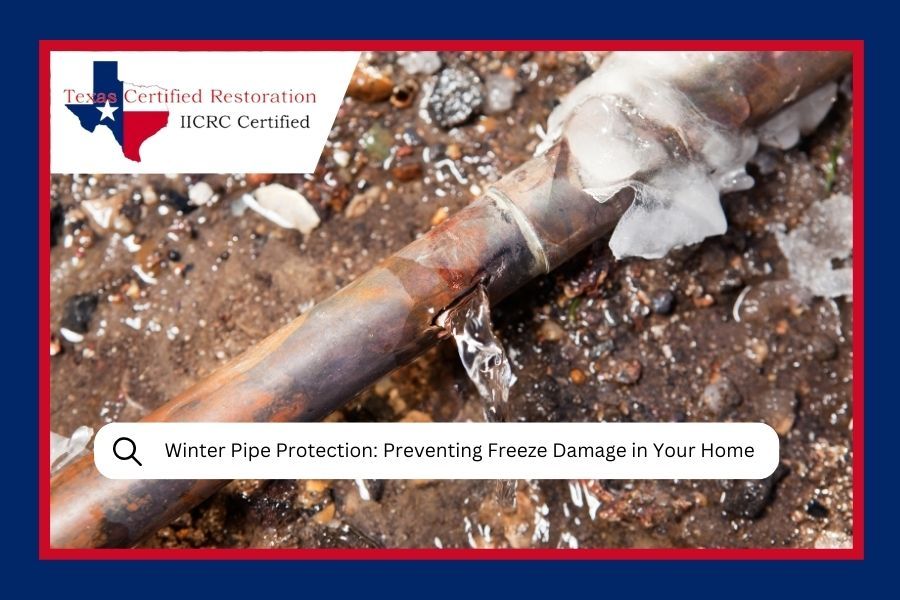
Winter Pipe Protection: Preventing Freeze Damage in Your Home
Updated on: January 20, 2026
Author: Tracy King
Jump to Section:
Listen, we know what you're thinking. "Winter pipe protection? In Texas?" We get it. We're not exactly battling blizzards down here in the Austin area. But here's the thing: when temperatures do drop, even just below freezing for a few hours, the pipes in our homes aren't exactly prepared for it. And when they burst? That's when we get the call. Trust us, water damage restoration from frozen pipes is no joke, and it's way more common in our area than you'd think.
At Texas Certified Restoration, we've seen our fair share of pipe-related disasters over the years. The good news? Most of them are totally preventable. So let's talk about how you can keep your pipes happy, your home dry, and your wallet intact this winter.
Why Texas Homes Are Especially Vulnerable
Here's something that catches a lot of folks off guard: Texas homes are actually more vulnerable to freeze damage than homes up north. Why? Because our houses weren't built with harsh winters in mind. We don't have the same insulation standards, our pipes often run through exterior walls or unheated spaces, and frankly, most of us don't think about winterizing until it's already 28 degrees outside.
Up north, they've got this down to a science. Down here in Round Rock and the greater Austin area? Not so much. When that random cold snap hits, it can wreak havoc on unprepared plumbing systems.
Understanding How Pipes Freeze and Burst
Before we get into prevention, let's talk about what actually happens when pipes freeze. Water expands when it freezes, that's basic science. But here's the part that surprises people: the pipe doesn't usually burst at the frozen spot. Instead, pressure builds up between the ice blockage and a closed faucet, and that's what causes the pipe to crack or burst, often in a completely different location.
The worst part? You might not even know you have a problem until the ice thaws and water starts gushing everywhere. We've responded to more than a few emergency calls where homeowners woke up to inches of standing water because a pipe burst overnight while they were sleeping.
Know Your Risk Zones
Not all pipes are created equal when it comes to freeze risk. Here are the trouble spots we see most often:
Exterior walls: Any plumbing running through outside-facing walls is at serious risk, especially on the north side of your house where sunlight doesn't reach.
Attics and crawl spaces: These unheated areas are prime candidates for frozen pipes, particularly if your insulation isn't up to snuff.
Garages: That water line feeding your utility sink? Yeah, that one's vulnerable too.
Outdoor hose bibs and sprinkler systems: These are usually the first to go when temperatures drop.
If you've already dealt with common causes of water damage in the past, you know how quickly things can spiral. Prevention is always, always easier than dealing with the aftermath.
Need Emergency Water Damage Help?
We're available 24/7 to respond to your water damage emergency.
Contact Us NowCall (512) 883-6760
Your Winter Pipe Protection Checklist
Ready to protect your home? Here's your game plan:
Before Cold Weather Hits
- Disconnect and drain outdoor hoses. Store them away for the season. Leaving them attached can trap water in the pipes and cause them to freeze.
- Shut off outdoor water supply. Most homes have shut-off valves for exterior faucets. Find them, turn them off, then open the outside faucet to drain any remaining water.
- Insulate exposed pipes. Hit up your local hardware store for pipe insulation sleeves. They're cheap, easy to install, and incredibly effective. Focus on pipes in unheated areas first.
- Seal up cracks and openings. Check around where pipes enter your home. Any gaps or cracks near plumbing should be sealed with caulk or spray foam.
- Know where your main water shut-off valve is. In an emergency, you need to be able to cut the water fast. Make sure everyone in your household knows where it is and how to use it.
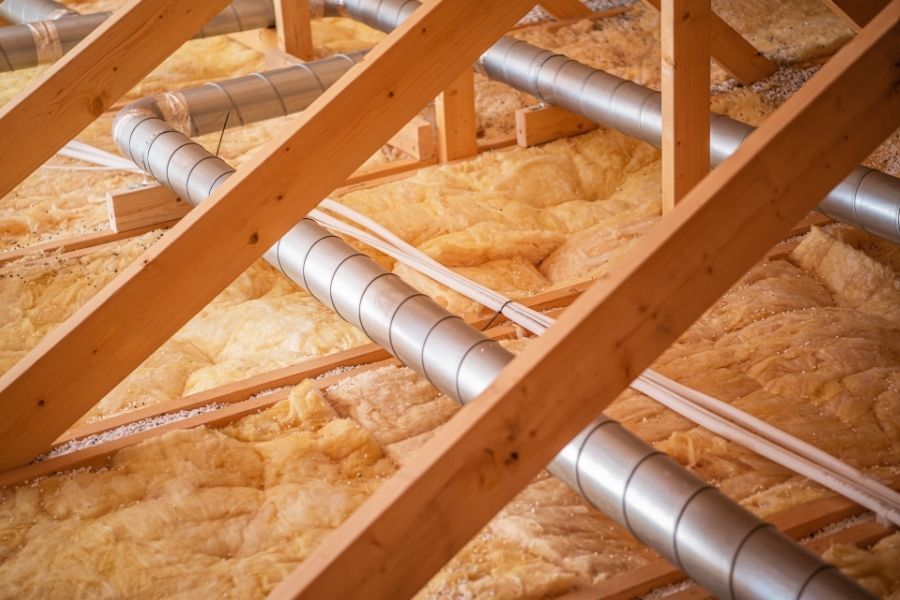
Proper attic heating and insulation are crucial for preventing frozen pipes in unheated spaces.
When Temperatures Drop Below Freezing
- Let faucets drip. A slow drip from faucets served by exposed pipes can prevent freezing. Moving water is much harder to freeze than standing water.
- Open cabinet doors. Let warm air circulate around plumbing under sinks, especially if those sinks are on exterior walls.
- Keep your thermostat consistent. Don't let your home temperature drop below 55°F, even when you're away. The cost of keeping it warmer is way less than dealing with burst pipes.
- Check your attic and crawl space. Make sure heat is reaching these areas, or at minimum, that pipes are properly insulated.
| Temperature Range | Risk Level | Recommended Actions |
|---|---|---|
| Above 32°F | Low | Monitor weather forecast |
| 25°F to 32°F | Moderate | Open cabinet doors, let faucets drip on exterior walls |
| 20°F to 25°F | High | All moderate actions plus maintain 55°F+ indoor temp |
| Below 20°F | Severe | All high actions plus check pipes hourly, consider additional heating |
What to Do If Your Pipes Freeze
Okay, so despite your best efforts, you turn on the faucet and nothing comes out. Now what?
First, don't panic. If you catch it early, you can often thaw pipes without any damage. Here's what to do:
Keep the faucet open. As you thaw the pipe, water and steam need somewhere to go.
Apply heat gently. Use a hairdryer, heating pad, or hot towels. Start near the faucet and work your way back toward the frozen section. Never use an open flame or high-heat device, that's asking for trouble.
Check for other frozen pipes. If one pipe froze, others might have too.
Call for help if you're not sure. Seriously, if you're uncertain about anything or if you suspect a pipe has already burst, contact our team immediately. We're available 24/7 because we know disasters don't wait for business hours.
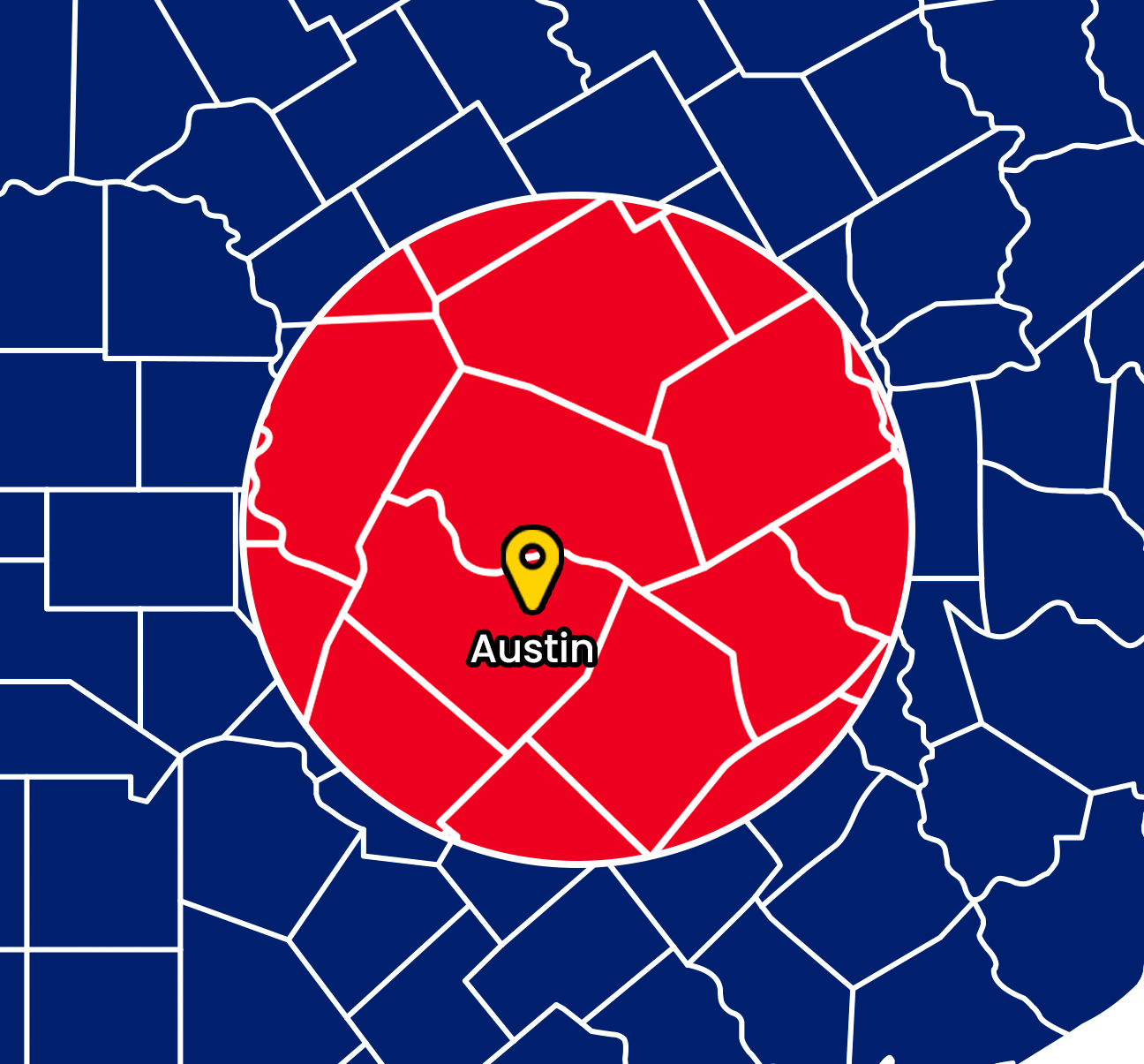
If you discover water damage from a burst pipe, time is critical. The longer water sits, the more damage it causes. Our team at Texas Certified Restoration can respond quickly to mitigate damage and start the restoration process. We've helped countless homeowners in Round Rock, Cedar Park, and throughout the Austin area recover from plumbing related water damage.
Long-Term Prevention Strategies
Want to really bulletproof your home against freeze damage? Consider these upgrades:
Relocate exposed pipes. If you're doing any remodeling, think about moving vulnerable pipes to interior walls or heated spaces.
Upgrade your insulation. Better insulation in your attic and crawl spaces protects more than just your pipes. It also helps with energy efficiency.
Install frost-proof outdoor faucets. These special faucets have the shut-off valve located inside your home where it's warm, so there's no water sitting in the exposed part of the pipe.
Add pipe heating cable. For pipes that are impossible to insulate well, heating cables can provide an extra layer of protection.
Quick Action Guide: Frozen Pipe Emergency
The Real Cost of Ignoring Prevention
We're not trying to scare you, but let's be real about what happens when pipes burst. According to industry data, the average water damage claim from frozen pipes runs several thousand dollars. That's not just the cost of fixing the pipe itself, it's the water damage to floors, walls, ceilings, furniture, and personal belongings.
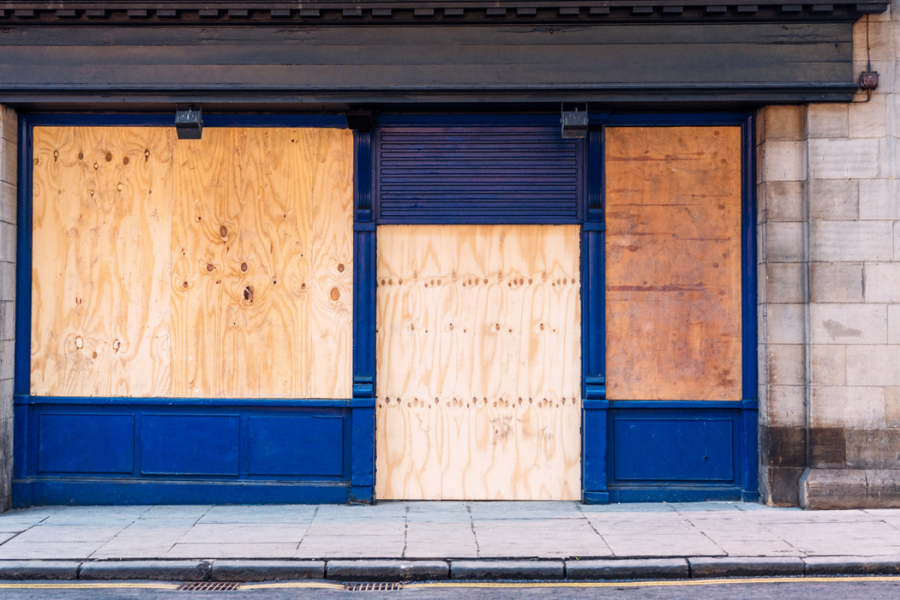
Severe water damage from burst pipes can require emergency services to secure and protect your property.
We've seen kitchen water damage from pipe bursts, hardwood floors buckle beyond repair, and drywall that needed to be ripped out and replaced. Insurance might cover some of it, but there's always a deductible, and the hassle factor is enormous. Plus, if the damage leads to mold growth, you're looking at even bigger problems down the road. The EPA provides helpful guidance on moisture control and mold prevention that every homeowner should know about.
Compare that to the minimal cost and effort of winterizing your pipes. It's really a no-brainer.
When to Call the Pros
Look, we're all for DIY when it makes sense. But there are times when you need to bring in the experts:
- If you have recurring frozen pipe issues
- If you're not comfortable working with your plumbing system
- If you've discovered a burst pipe or active leak
- If you're seeing signs of water damage after a freeze event
At Texas Certified Restoration, we do more than just clean up water damage. We can help identify vulnerable areas in your home and recommend solutions. With over 10 years of combined experience serving the greater Austin area, we've pretty much seen it all when it comes to weather-related damage.
And if disaster does strike? We're here 24/7 to help with emergency water damage response. Our certified professionals will work quickly to minimize damage and get your home back to normal. The Red Cross also offers valuable resources on preparing for home emergencies that can help you be ready for any situation.
Protect Your Home This Winter
Don't wait until it's too late. Get professional help protecting your pipes before the next freeze.
Learn About Our ServicesFrequently Asked Questions
At what temperature should I worry about my pipes freezing?
Pipes can start to freeze when temperatures drop to 20°F or below, especially if the cold snap lasts more than a few hours. However, pipes in unheated or poorly insulated areas can freeze at temperatures above freezing. If it's going to be below 32°F for an extended period, take precautions.
How much does it cost to repair a burst pipe in Austin?
The cost varies widely depending on the pipe's location and the extent of water damage. The pipe repair itself might run a few hundred dollars, but water damage restoration can cost thousands if the leak went undetected for a while. Prevention is always the more affordable option.
Should I let all my faucets drip during a freeze?
You don't need to let every faucet drip. Focus on faucets served by pipes that run through exterior walls, unheated spaces, or areas that have frozen before. A slow drip is all you need, you're not trying to run the water constantly.
Can I use a space heater to keep my pipes from freezing?
You can, but be extremely careful. Never leave a space heater unattended, and keep it away from anything flammable. Opening cabinet doors to let warm air circulate is often a safer bet. For problem areas like crawl spaces, consider having a professional install proper heating solutions.
Winter in Texas might not mean months of snow and ice, but those occasional hard freezes are enough to cause serious problems if you're not prepared. A little prevention now can save you from a major headache (and expense) later. And hey, if you ever need help, whether it's emergency water damage restoration or just advice on protecting your home, we're here. Give Texas Certified Restoration a call at (512) 883-6760. We've got your back.

Tracy King
About The Author:
Tracy King, of Texas Certified Restoration, brings over 10 years of combined industry experience to the disaster restoration field. Since the founding of the company, Tracy has been committed to providing professional and dependable restoration services to homeowners and businesses throughout the Greater Austin area. With a passion for helping clients navigate the challenges of water damage, fire damage, and other disaster-related situations, Tracy leads a certified team dedicated to delivering quality service that helps families and businesses resume normal life after unexpected emergencies.
Read More: