10 Storm Emergency Kit Essentials Every Family Needs
Updated on: September 1, 2026
Author: Tracy King
Jump To:
If you've ever watched a severe thunderstorm roll across Williamson County and thought, "we should really put a kit together," you're not alone. Families in Round Rock, Pflugerville, Georgetown, and Cedar Park deal with flash floods, hail, and high winds that can knock out power for days. Having a storm damage emergency kit ready before the weather turns is one of the smartest things you can do for your household. At Texas Certified Restoration, we've responded to enough storm calls to know that prepared families recover faster.
Why Every Central Texas Family Needs a Storm Kit
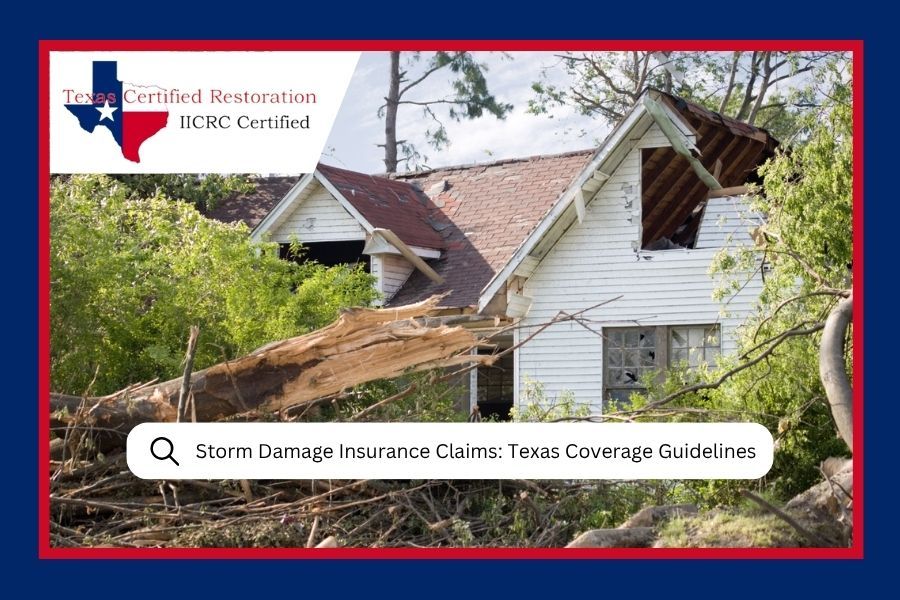
Central Texas sits in Flash Flood Alley, one of the most flood-prone regions in the country. Severe weather here can mean rising water, downed trees, and roads that become impassable in minutes.
The Federal Emergency Management Agency (FEMA) through Ready.gov recommends every household maintain a disaster supply kit with enough resources to be self-sufficient for at least 72 hours. That window matters because emergency responders may not reach your neighborhood immediately after a major event.
You don't need a direct hurricane hit to face serious damage, either. Hurricane remnants and back-to-back thunderstorm systems regularly dump enough rain to cause flooding, roof leaks, and structural problems throughout Travis and Williamson Counties.
Already Dealing With Storm Damage?
Our IICRC-certified team responds 24/7 across the Greater Austin area.
Get Help NowThe 10 Storm Emergency Kit Essentials
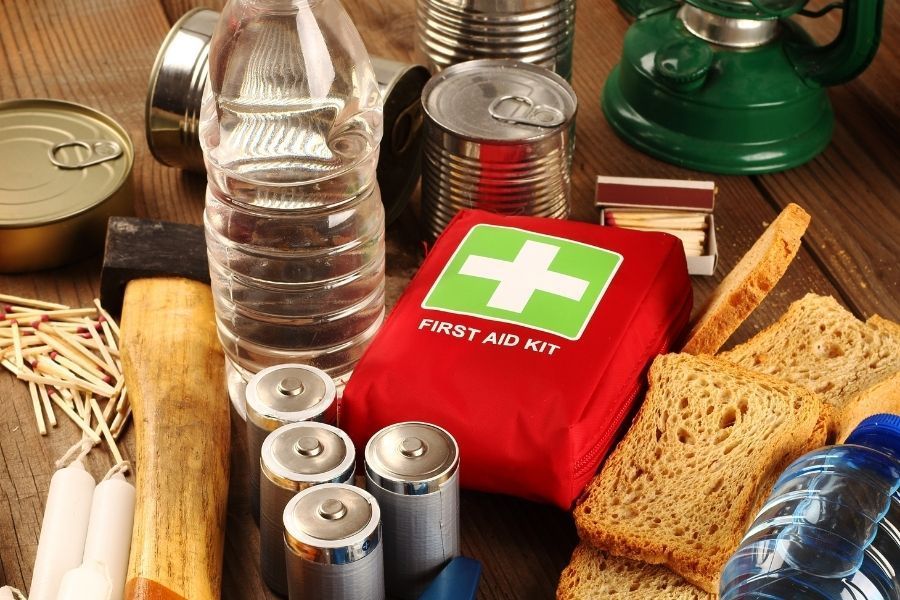
Most of these items are probably in your home already. The key is gathering them in one portable, accessible location before you actually need them.
1. Water (One Gallon Per Person, Per Day)
Store at least three gallons per family member for a 72-hour window. Add extra for pets. Use sealed, food-grade containers and replace the supply every six months.
2. Non-Perishable Food and a Manual Can Opener
Canned goods, granola bars, peanut butter, dried fruit, crackers. Choose items that don't require cooking or refrigeration. And don't forget the can opener. You'll feel pretty silly staring at a can of soup with no way to open it during a blackout.
3. Flashlights and Extra Batteries
Keep at least two flashlights plus extra batteries. Headlamps are great for hands-free use, especially if you're checking for warning signs of water damage in a dark house after the power goes out.
4. First Aid Kit
Include bandages, gauze, antiseptic wipes, pain relievers, tweezers, and any prescription medications your family takes. Storms create hazards like broken glass and debris, so having supplies to treat minor injuries on the spot keeps small problems from becoming bigger ones.
5. Battery-Powered or Hand-Crank Weather Radio
Your phone might die. Cell towers might go down. A NOAA weather radio delivers real-time alerts about tornado warnings and flash flood watches without relying on Wi-Fi or cellular service. Especially useful in areas like Hutto and Leander where cell coverage gets spotty during storms.
6. Important Documents in a Waterproof Container
Copies of insurance policies, IDs, bank account numbers, and medical records should live in a sealed, waterproof bag inside your kit. If your home takes on flood damage, having these documents accessible saves enormous headaches during recovery.
Quick-Reference Checklist
| Item | Minimum Qty | Replace Every |
|---|---|---|
| Water | 1 gal/person/day x 3 days | 6 months |
| Non-perishable food | 3-day supply per person | Annually |
| Flashlights + batteries | 2 flashlights | Test monthly |
| First aid kit | 1 complete kit | Annually |
| Weather radio | 1 (battery/hand-crank) | Seasonally |
| Important documents | 1 waterproof set | As needed |
| Multi-tool | 1 | N/A |
| Portable charger | 1 per household | Charge monthly |
| Plastic sheeting + duct tape | 1 roll each | Annually |
| Clothes + blankets | 1 set per person | Seasonally |
7. Multi-Tool or Utility Knife
A quality multi-tool handles dozens of tasks after a storm: cutting drywall, turning off a water valve, prying open a stuck window. Takes up almost no space and you'll use it more than you'd expect.
8. Portable Phone Charger
When power goes out, your phone becomes your lifeline for weather updates and emergency calls. A 10,000 mAh power bank typically holds two to three full charges, enough to carry you through a multi-day outage.
9. Plastic Sheeting and Duct Tape
If a storm breaks a window or damages your roof, this combo lets you create a temporary barrier against rain and debris. It's not a permanent fix, but it can prevent thousands in secondary water damage while you wait for professional help. Our flash flood recovery guide covers what happens after that temporary patch goes up.
10. Change of Clothes and Emergency Blankets
Pack one change of clothes per family member, including sturdy shoes. If your home floods, dry clothing makes a real difference. Add lightweight foil emergency blankets for warmth during cold-weather events. They fold to almost nothing.
Where to Store Your Kit and How to Maintain It
Since Central Texas homes sit on slab foundations (no basements here), your best storage options are a hall closet, a dedicated garage shelf, or an interior room on the main floor. Avoid spots vulnerable to the very hazards you're preparing for. A garage that floods during heavy rain? Bad choice. An interior closet near the center of your home works well and doubles as a safe spot during severe weather.
Set a reminder twice a year to review your kit. Replace expired food and water, test flashlights, recharge your power bank, and update documents. The American Red Cross recommends tying this review to daylight saving time changes as an easy reminder.
When the Storm Passes: Know When to Call for Help
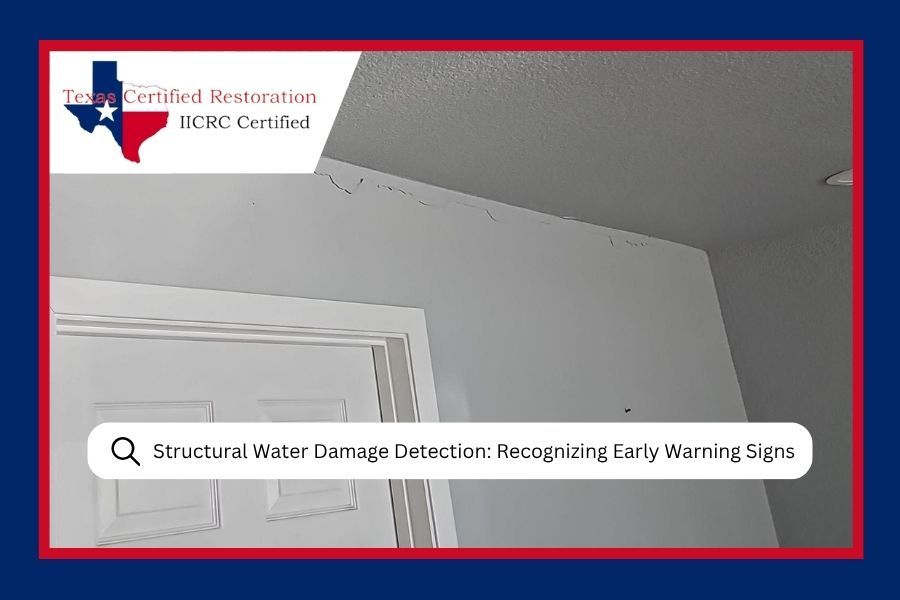
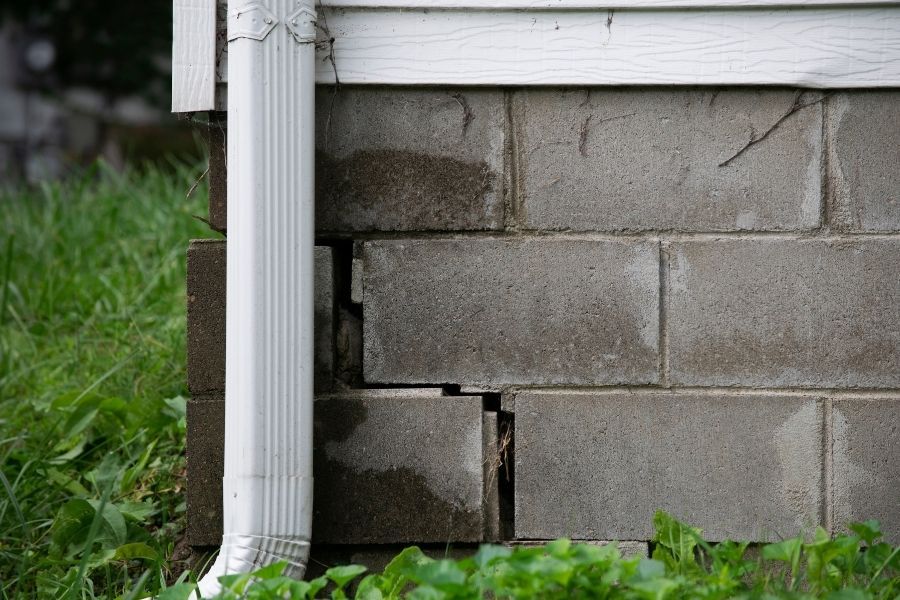
A solid kit carries you through the immediate crisis, but what happens next matters just as much. After a severe storm, walk through your home carefully. Look for water stains on ceilings, damp spots along walls, warped flooring, and standing water near your foundation. These are signs you may need professional restoration, and acting fast prevents secondary issues like mold growth and structural deterioration.
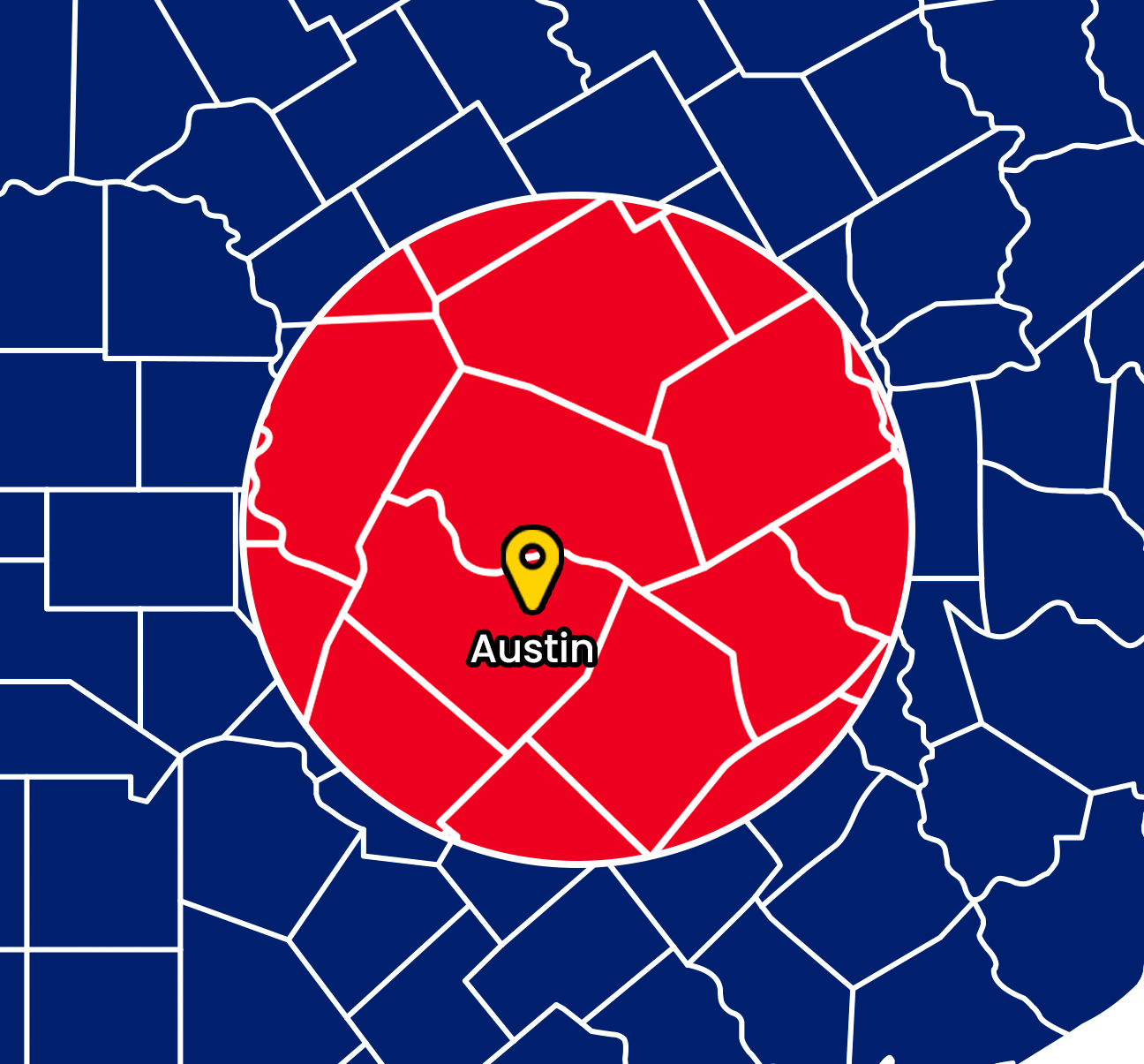
At Texas Certified Restoration, we serve families throughout Round Rock, Pflugerville, Georgetown, Cedar Park, Leander, and the surrounding communities. Our IICRC-certified team responds 24/7 because storms don't wait for business hours.
Frequently Asked Questions
How often should I replace the water in my storm emergency kit?
Replace stored water every six months. Even sealed containers can develop bacteria over time. Mark the storage date on each container so you know when it's time for a refresh.
What size emergency kit do I need for a family of four?
Plan on at least 12 gallons of water, a 3-day food supply for everyone, four sets of clothes, and enough medications for each family member. The kit should fit in one or two duffel bags that can be grabbed quickly.
Should I include pet supplies in my storm kit?
Yes. Pack at least three days of pet food, water, bowls, medications, a leash or carrier, and copies of vaccination records. Shelters may require proof of vaccinations for pets.
What should I do if I find water damage after a storm?
Document the damage with photos, avoid walking through standing water, turn off electricity to affected areas if safe, and contact a professional restoration company immediately. Quick action prevents secondary damage like mold growth.

Tracy King
About The Author:
Tracy King, of Texas Certified Restoration, brings over 10 years of combined industry experience to the disaster restoration field. Since the founding of the company, Tracy has been committed to providing professional and dependable restoration services to homeowners and businesses throughout the Greater Austin area. With a passion for helping clients navigate the challenges of water damage, fire damage, and other disaster-related situations, Tracy leads a certified team dedicated to delivering quality service that helps families and businesses resume normal life after unexpected emergencies.
Read More: