Storm Emergency Response: Essential Contacts and Procedures
Updated on: September 8, 2026
Author: Tracy King
Jump To:
Severe storms don't send a calendar invite. They hit Central Texas fast, and the difference between a stressful night and a full-blown crisis usually comes down to whether you had a plan before the rain started. At Texas Certified Restoration, our IICRC-certified team has responded to hundreds of storm damage restoration calls across Round Rock, Pflugerville, Georgetown, and surrounding communities. Homeowners who know their emergency contacts and procedures recover faster and spend less.
Why Does Having a Storm Plan Matter in Central Texas?
Central Texas sits in Flash Flood Alley, one of the most flood-prone regions in North America. Our clay soils don't absorb water well, and when heavy rain hits slab foundations, water finds its way inside fast. According to FEMA, having an emergency plan can significantly reduce both property damage and personal risk during severe weather.
Storms here bring heavy rain, flash flooding, hail, and high winds. Hurricane remnants push through in summer and fall. Even a standard spring thunderstorm can overwhelm drainage systems across Williamson and Travis County.

Essential Emergency Contacts Every Homeowner Should Save
Having the right numbers saved in your phone takes five minutes now and saves hours of panic later. Here's a quick reference checklist you can screenshot or print out.
| Contact | Number / Resource | When to Call |
|---|---|---|
| 911 | 911 | Life-threatening emergencies, downed power lines, structure collapse |
| Non-emergency police/fire | Local non-emergency line | Fallen trees blocking roads, property damage without injury |
| Utility company | Your electric/gas provider | Power outages, gas leaks, downed lines |
| Insurance company | Your policy claims line | As soon as damage is discovered |
| Texas Certified Restoration | (512) 883-6760 | Water intrusion, storm damage, emergency board-up |
| Plumber | Your trusted plumber | Burst pipes, backed-up drains after flooding |
A Few Tips on That List
Write these numbers down and keep a paper copy in a waterproof bag. During severe storms, cell towers get overloaded and phones die. Also, know your insurance policy number and your agent's direct line. During regional events, the general claims line can have hours-long wait times.
Dealing with storm damage right now?
Our team is available 24/7 for emergency response across Round Rock, Pflugerville, Cedar Park, and the Greater Austin area.
Contact Our TeamWhat Should You Do Before a Storm Hits?
Preparation is where you gain the most control. These steps take about an hour and can prevent thousands of dollars in damage.
- Clear gutters and downspouts. Clogged drainage forces water along your foundation. With Central Texas clay soils, water pools against slab foundations quickly.
- Move valuables off the floor. Elevate electronics, important documents, and irreplaceable items to higher shelves.
- Know where your water shutoff is. Every homeowner should be able to cut the main water supply quickly.
- Trim dead branches. High winds turn dead limbs into projectiles. A broken branch through a window creates interior water damage in minutes.
- Document your property. Walk through and photograph each room. This is gold for insurance claims later.
We've written more about what to do when you first discover water damage, and much of that advice applies to storm prep too.
What Should You Do During the Storm?
Stay inside. No property is worth your safety.

The National Weather Service reminds people that flash flooding is the number one storm-related killer in the United States, and Central Texas is one of the highest-risk areas. Never drive through flooded roads. Six inches of moving water can knock you off your feet.
While sheltering, keep your phone charged and monitor weather alerts. If you see water coming in under doors or from ceiling areas, start documenting with photos immediately. This evidence helps adjusters and restoration professionals once it's safe to respond.
What Steps Should You Take After the Storm Passes?
Once the weather clears, resist the urge to rush back to normal. There's a right order here, and skipping steps can compromise your insurance claim.
Safety First
Check for downed power lines near your property. If you smell gas, leave immediately and call your utility company. Don't walk through standing water indoors because it can hide electrical hazards or contaminated water.
Document and File Your Claim
Photograph all damage before you clean up or move anything. Wide shots of affected rooms, close-ups of specific damage, and receipts for any emergency supplies. File your insurance claim as soon as possible. Early filers typically get faster adjuster visits. Our guide on insurance coverage for Texas homeowners breaks down common scenarios.
Post-Storm Checklist: Your First 24 Hours
- Confirm safety: no downed lines, no gas smells, no structural collapse
- Document all damage with photos and video
- Contact your insurance company and file a claim
- Call a professional water damage restoration company if water entered your home
- Do not remove wet materials yourself unless you know the water source is clean
- Keep all receipts for emergency supplies and temporary repairs
When Should You Call a Restoration Company?
Not every storm needs professional help. A few inches of rainwater in the garage that dries within hours? Probably fine. But there are clear signals the damage has passed DIY territory.
Call a restoration company if:
- Standing water has been in your home for more than a few hours
- Water reached carpet, drywall, or insulation
- You notice ceiling or wall staining
- There's a musty smell that wasn't there before
- Floodwater entered your home (contaminated water needs professional handling)
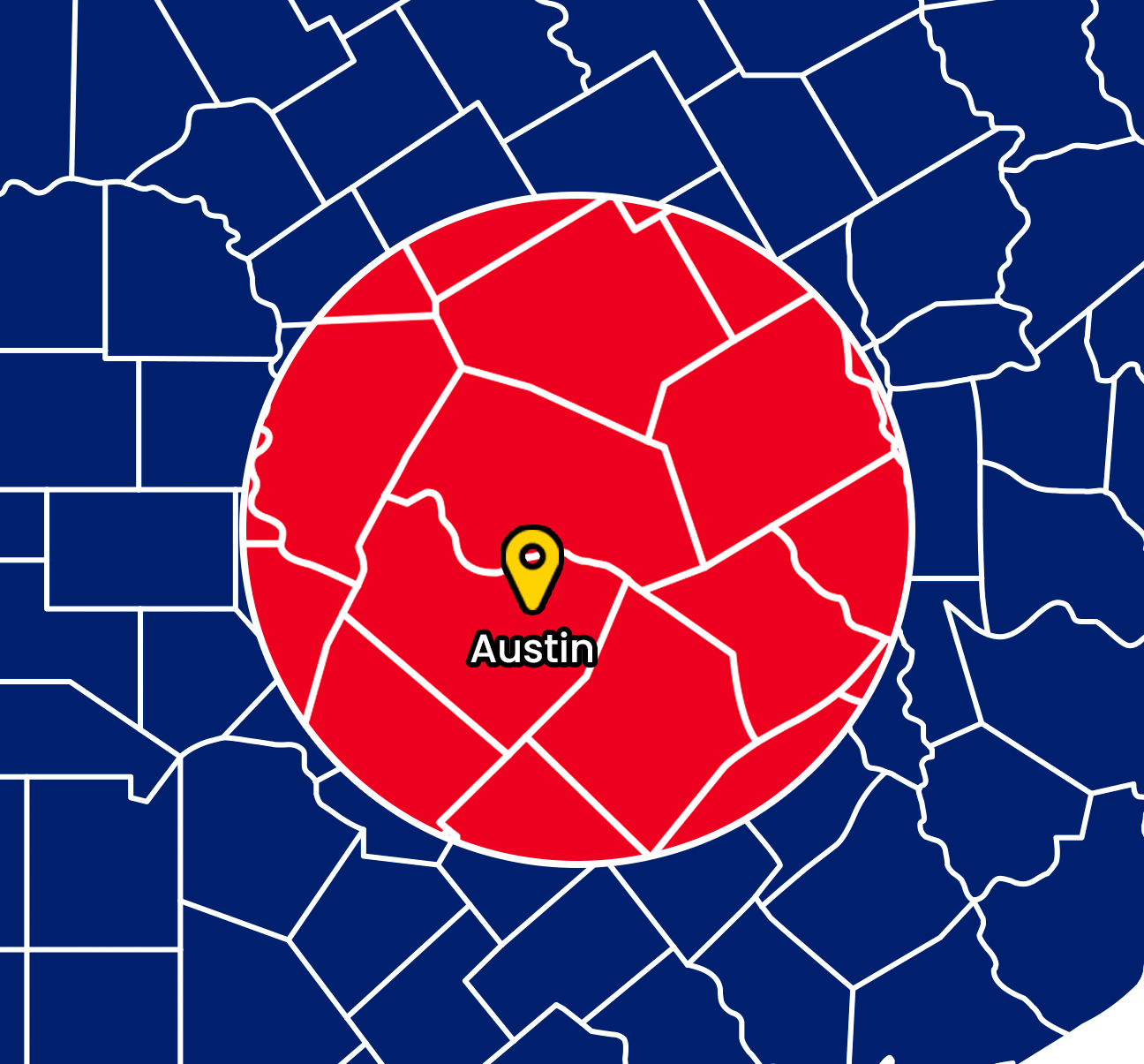
At Texas Certified Restoration, we respond 24/7 and work directly with insurance companies. Our team serves Round Rock, Pflugerville, Georgetown, Cedar Park, Leander, Hutto, and communities across Williamson and Travis County.
We've covered the full timeline in our post on flash flood recovery from emergency response to full restoration, so you'll know what to expect at each stage.
Ready to put your storm plan together? Save our number: (512) 883-6760
Learn About Our Flood Restoration ServicesFrequently Asked Questions
How quickly should I call a restoration company after storm damage?
Call as soon as you notice water intrusion or structural damage. The first 24 to 48 hours are critical for preventing secondary damage like mold growth. The longer moisture sits in building materials, the more extensive and costly the repairs become.
Should I start cleaning up before the insurance adjuster arrives?
Document everything first, but do take reasonable steps to prevent further damage. Most policies require policyholders to mitigate ongoing damage, like stopping active leaks or covering broken windows. Keep every receipt and photograph everything before and after.
What is the difference between storm and flood damage restoration?
Storm damage covers wind, hail, fallen trees, and water intrusion from roof leaks. Flood damage specifically means water entering from ground level, usually classified as Category 2 or 3 (contaminated) water, which requires specialized cleanup.
Does homeowners insurance cover storm damage in Texas?
Most policies cover wind and hail damage, but flood damage from rising water requires separate flood insurance. This catches many Central Texas homeowners off guard. Check with your agent before storm season starts.

Tracy King
About The Author:
Tracy King, of Texas Certified Restoration, brings over 10 years of combined industry experience to the disaster restoration field. Since the founding of the company, Tracy has been committed to providing professional and dependable restoration services to homeowners and businesses throughout the Greater Austin area. With a passion for helping clients navigate the challenges of water damage, fire damage, and other disaster-related situations, Tracy leads a certified team dedicated to delivering quality service that helps families and businesses resume normal life after unexpected emergencies.
Read More: