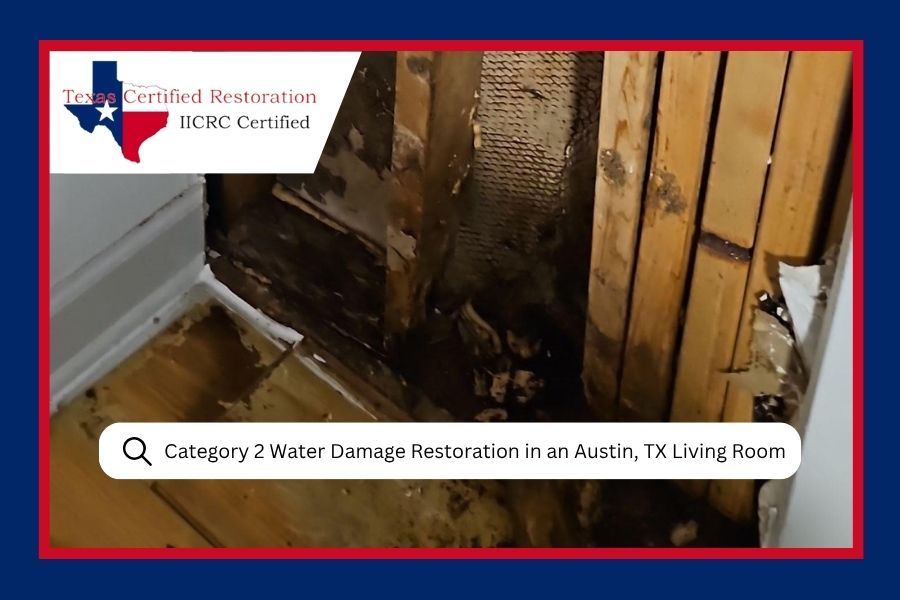
Category 2 Water Damage Restoration in an Austin, TX Living Room
Updated on: October 20, 2026
Author: Tracy King
When our team at Texas Certified Restoration got the call about a water damage situation in an Austin living room, we knew the clock was already ticking. Category 2 water (sometimes called "gray water") carries contaminants that can turn a bad day into a health hazard if you don't move fast. That's exactly why our crew was on-site and ready to work within hours.
What Happened: A Living Room Turned Upside Down
The homeowner noticed something wasn't right when they spotted discoloration spreading across the lower portion of their living room walls. By the time they called us, moisture had already started wicking up the drywall and into the framing behind it. This is one of the trickiest parts of water damage: what you can see on the surface is rarely the full picture.
With category 2 water involved, we couldn't just dry things out and call it a day. Gray water can contain microorganisms and other contaminants, so the approach has to be more aggressive than a standard clean water event. The IICRC S500 Standard for Professional Water Damage Restoration classifies water into categories based on contamination level, and category 2 requires specific handling to protect both the occupants and the structure.
Our Approach: Controlled Demolition and Thorough Cleanup
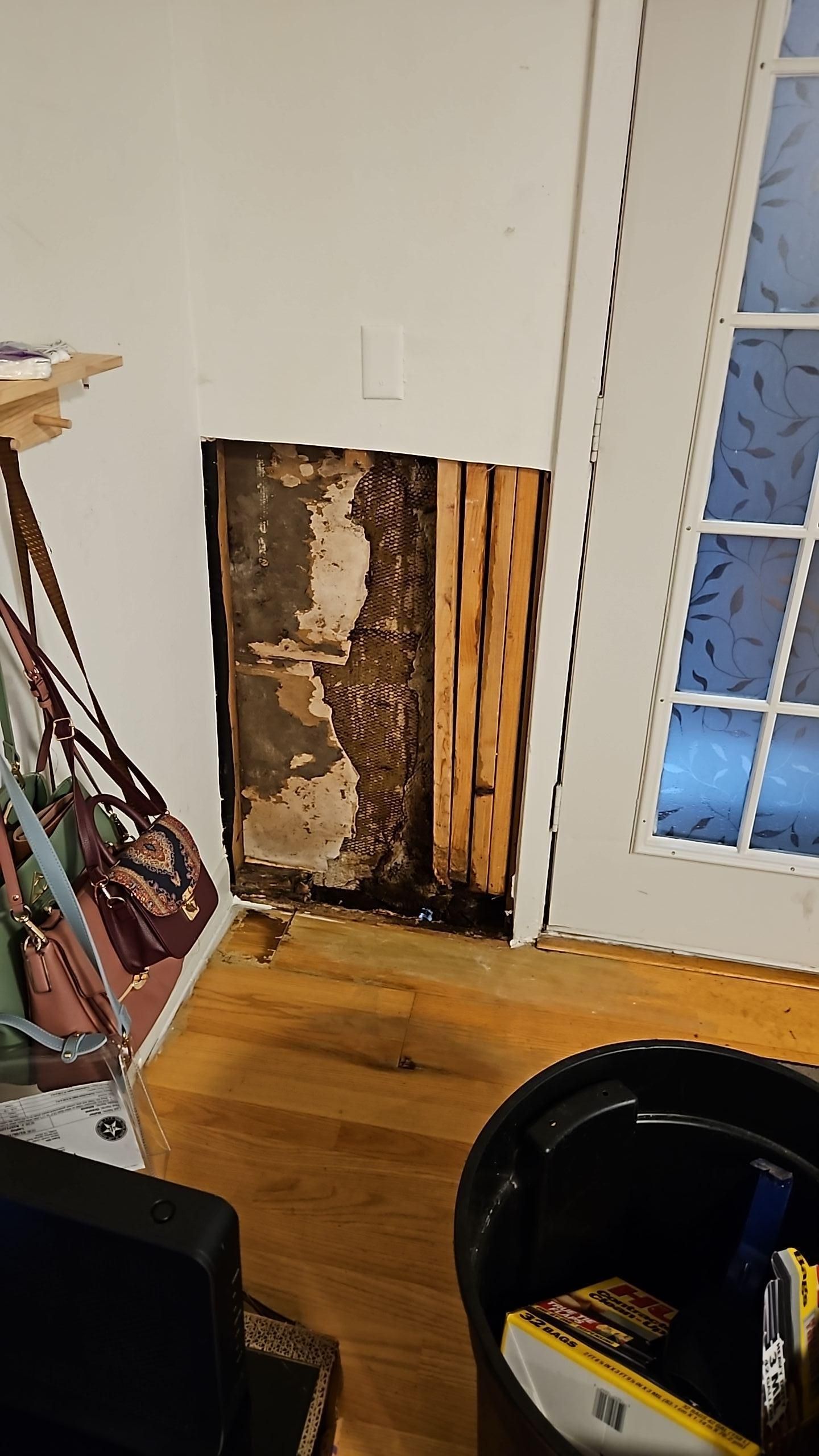
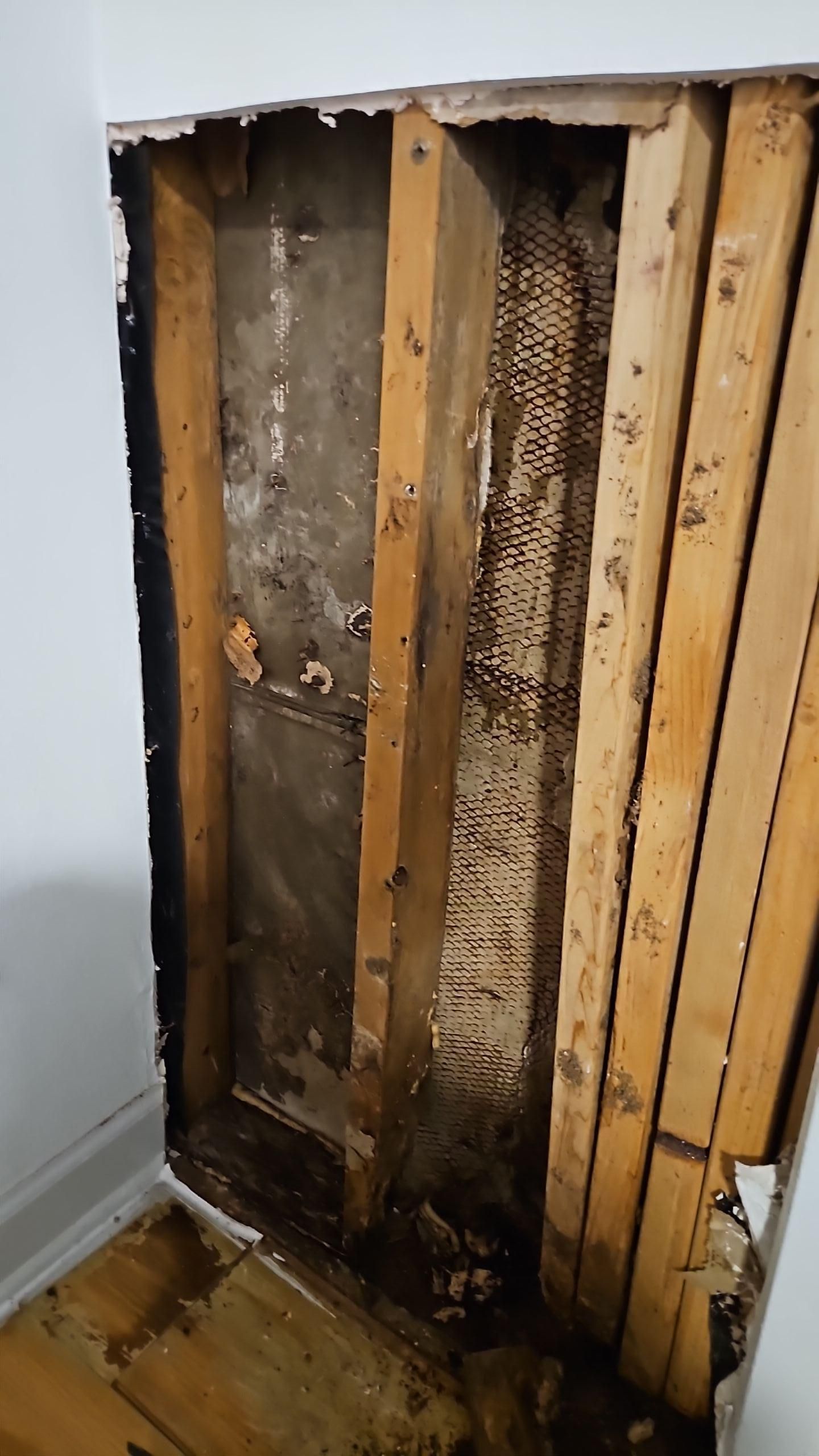
First things first: we had to get the damaged materials out. Drywall acts like a sponge once it absorbs water. Leaving it in place would only feed mold growth and let contaminants spread deeper into the wall cavity. Our technicians removed the affected sections, cutting above the visible waterline to make sure we got everything.
 |
 |
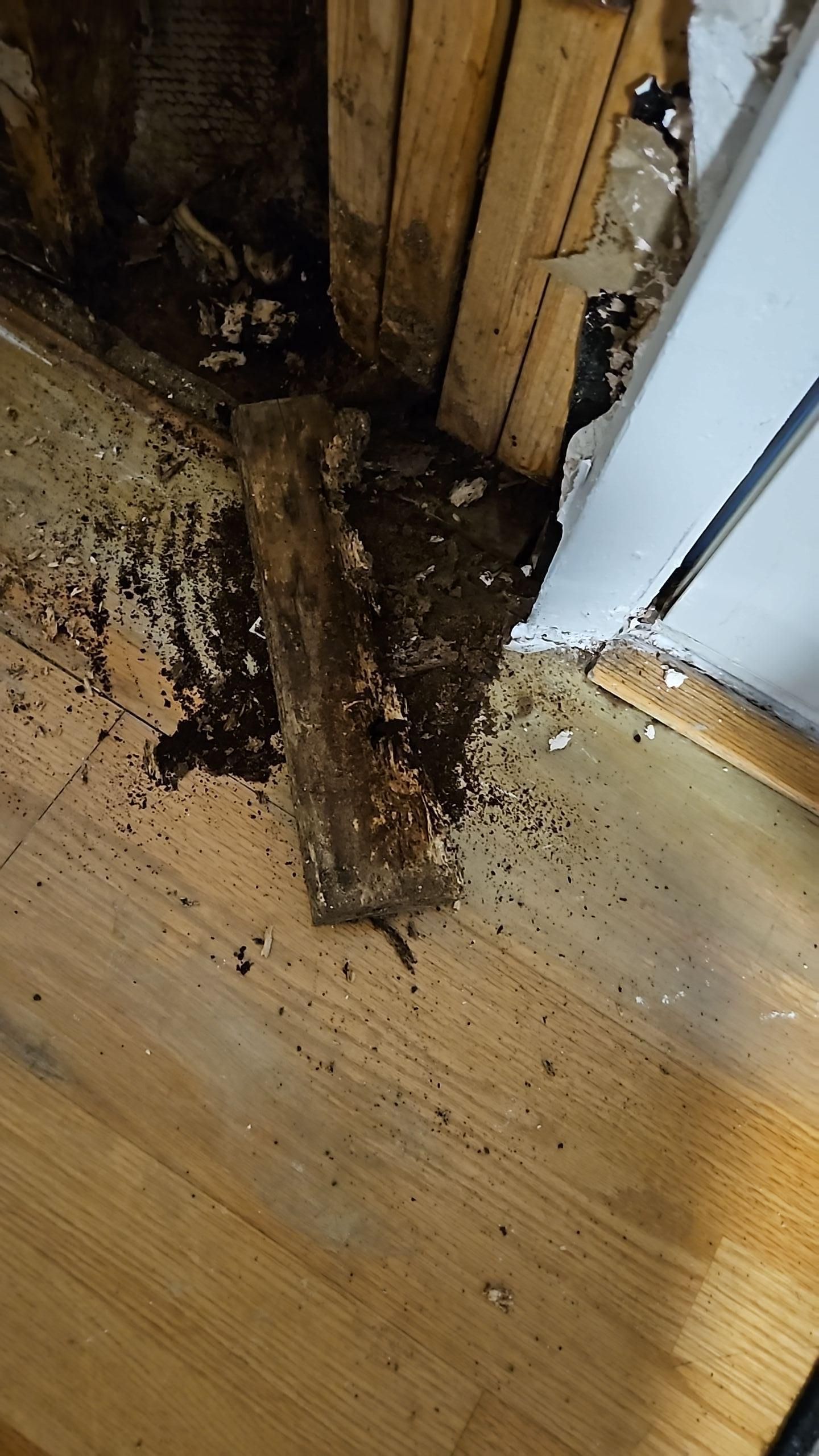 |
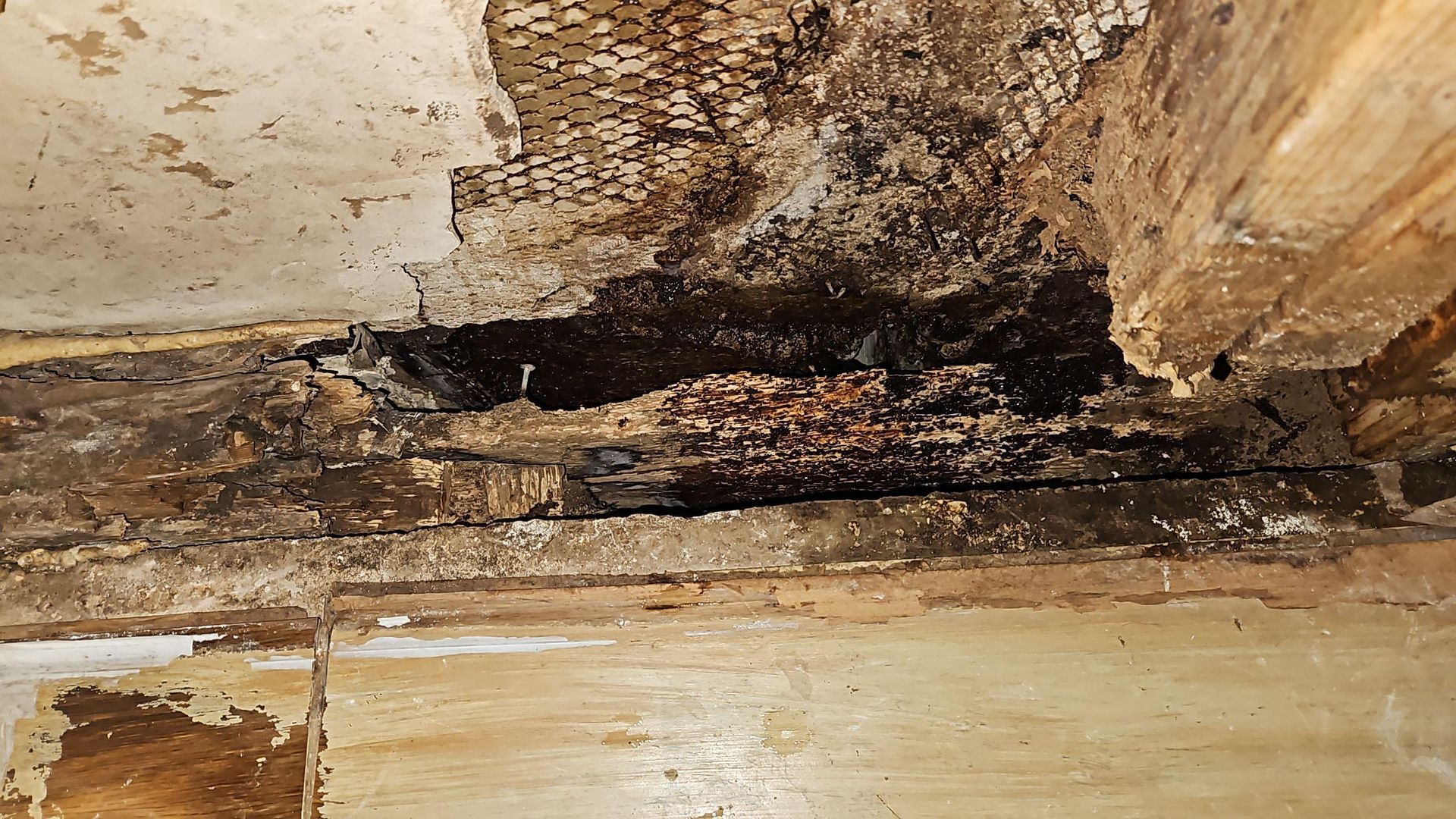
Behind the drywall, we found what we expected: rotted wood that had been soaking up moisture. Wood rot weakens structural integrity, so leaving it wasn't an option. We removed the compromised sections and confirmed the surrounding framing was still solid.
Why HEPA Vacuuming Matters
After demolition, most people assume the mess is "done" once the big pieces are gone. Not quite. All that cutting generates fine particles and debris that settle everywhere, and with category 2 water involved, those particles can carry contaminants.
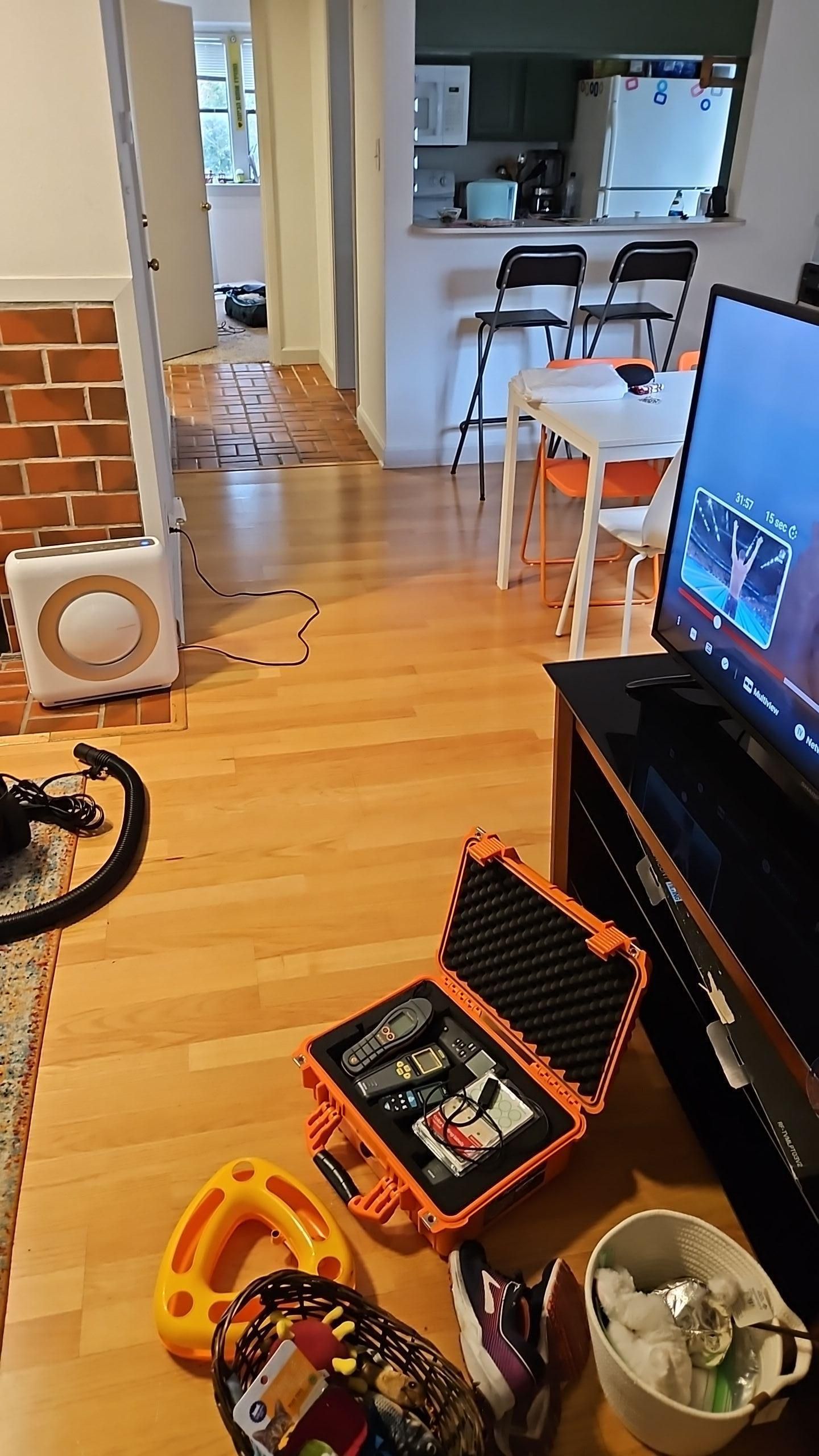
HEPA filtration captures 99.97% of particles down to 0.3 microns. A regular shop vac would just blow that stuff around. It's not the most dramatic step, but it makes a real difference in the final air quality of the home.
Antimicrobial Treatment: The Invisible Shield
Once the space was cleaned, we applied a professional-grade antimicrobial treatment to every exposed surface. Even after removing contaminated materials and vacuuming thoroughly, microscopic organisms can linger. The antimicrobial kills those remaining microbes and helps prevent mold from taking hold during drying.
The EPA recommends drying water-damaged areas within 24 to 48 hours to prevent mold growth. We take that window seriously, which is why antimicrobial treatment goes on before we set up drying equipment.
 |
 |
|
What Category 2 Water Damage Means for Your Home
Not all water damage is the same. Category 2 water contains biological or chemical contaminants that can cause illness with direct contact. That's why the restoration approach has to be more thorough than a standard clean water event.
A proper category 2 response includes:
- Remove all porous materials that contacted the water (drywall, insulation, carpet padding)
- Inspect framing for rot or hidden moisture pockets
- HEPA vacuum all surfaces to capture fine contaminants
- Apply antimicrobial treatment to prevent mold and bacterial growth
- Set up professional drying equipment and monitor moisture levels daily
Why Fast Response Matters in Austin
Austin's heat and humidity are like rocket fuel for mold growth. In the cooler months up north, you might have a little more time before moisture becomes a mold problem. Here in Central Texas, that window shrinks fast. A damp wall cavity in July can start showing visible mold in as little as 24 hours.
That's one of the reasons we offer 24/7 emergency flood and water damage restoration. The faster we get equipment on-site, the less damage your home sustains. Timing is everything.
Dealing with Water Damage in Your Austin Home?
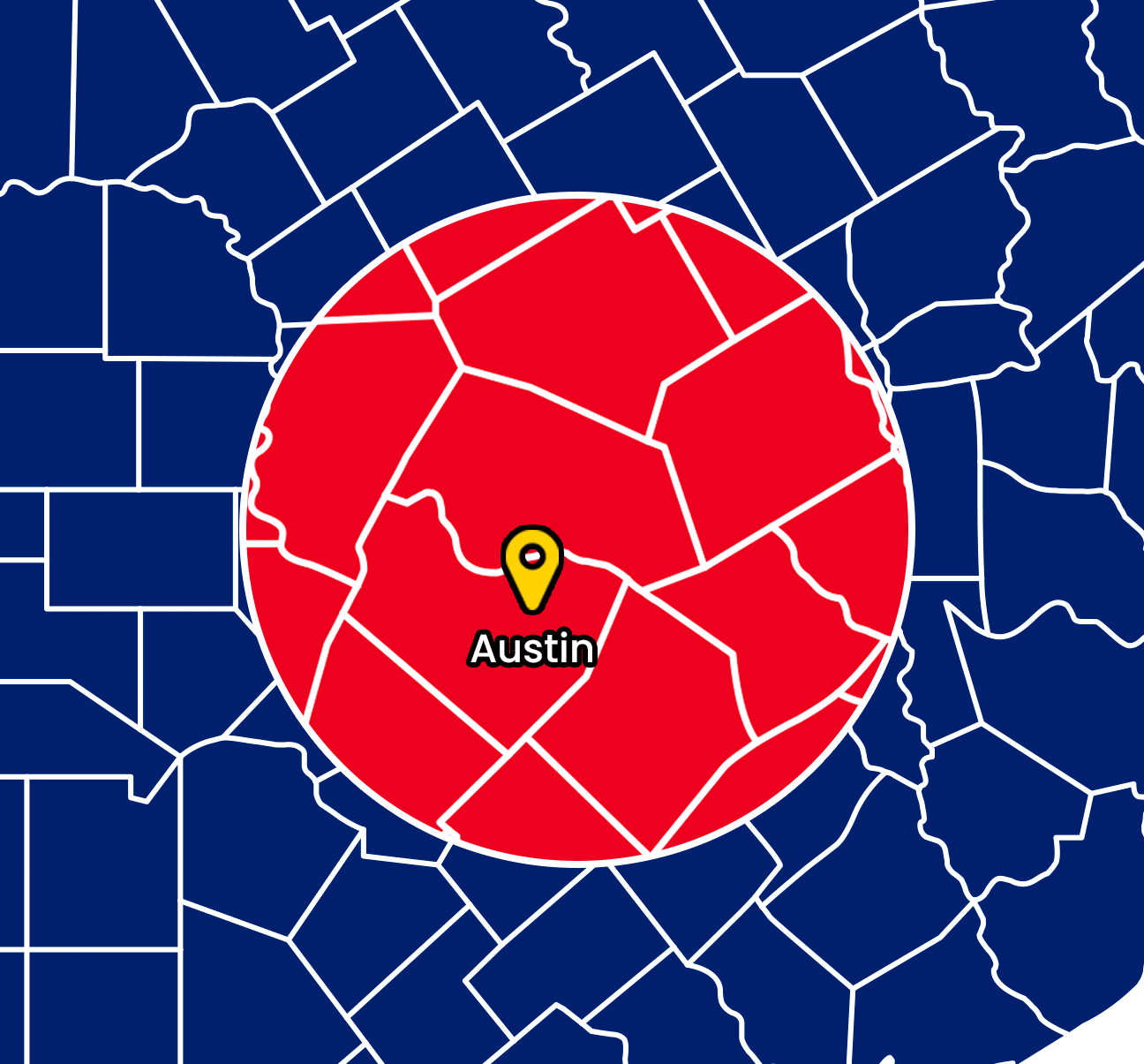
At Texas Certified Restoration, our IICRC-certified team responds 24/7 to water emergencies across the Greater Austin area, including Round Rock, Pflugerville, Georgetown, and Cedar Park.
The Takeaway
This Austin living room went from water-damaged walls and rotting wood to a clean, dry, treated space ready for rebuild. Every step played a role in getting the homeowner back on track safely.
Want to learn more? Check out our guide on the three categories of water damage, or read about warning signs of water damage most homeowners miss. And if you've just discovered water damage, here's your immediate action plan.
Frequently Asked Questions
What is category 2 water damage?
Category 2 water damage involves water containing significant levels of biological or chemical contaminants. Common sources include appliance malfunctions, HVAC overflows, and toilet overflows. It requires more aggressive cleanup than clean water events, including removal of porous materials and antimicrobial treatment.
How quickly does mold grow after water damage in Austin?
In Austin's warm, humid climate, mold can begin growing on damp materials in as little as 24 to 48 hours. That's why fast response and professional drying equipment are critical. The longer moisture sits in wall cavities or under flooring, the greater the risk of mold and secondary structural damage.
Why do restoration companies remove drywall during water damage cleanup?
Drywall is highly porous and absorbs water quickly. Once saturated, it can't be effectively dried in place and becomes a breeding ground for mold. Removing the affected sections exposes the wall cavity, allows technicians to treat the framing, and ensures thorough drying.
Does homeowners insurance cover category 2 water damage?
Coverage depends on the water source and your policy. Most policies cover sudden, accidental damage like a burst pipe. Ongoing leaks or maintenance neglect are typically excluded. Your restoration company can help with documentation for claims.

Tracy King
About The Author:
Tracy King, of Texas Certified Restoration, brings over 10 years of combined industry experience to the disaster restoration field. Since the founding of the company, Tracy has been committed to providing professional and dependable restoration services to homeowners and businesses throughout the Greater Austin area. With a passion for helping clients navigate the challenges of water damage, fire damage, and other disaster-related situations, Tracy leads a certified team dedicated to delivering quality service that helps families and businesses resume normal life after unexpected emergencies.
Read More: