6 Post-Storm Home Inspection Priorities for Pflugerville Property Owners
Updated on: October 6, 2026
Author: Tracy King
Jump To:
After a storm rolls through Pflugerville, the silence can feel deceiving. Everything looks fine from the curb, but hidden damage shows up weeks later as a ceiling stain or a musty smell in the hallway. Our team at Texas Certified Restoration provides storm damage restoration across Williamson County, and we've seen how a quick inspection after severe weather saves homeowners thousands.
Central Texas sits in Flash Flood Alley, one of the most flood-prone regions in the country. Here are six inspection priorities to tackle after the next big storm.
1. Check Your Roof and Gutters First
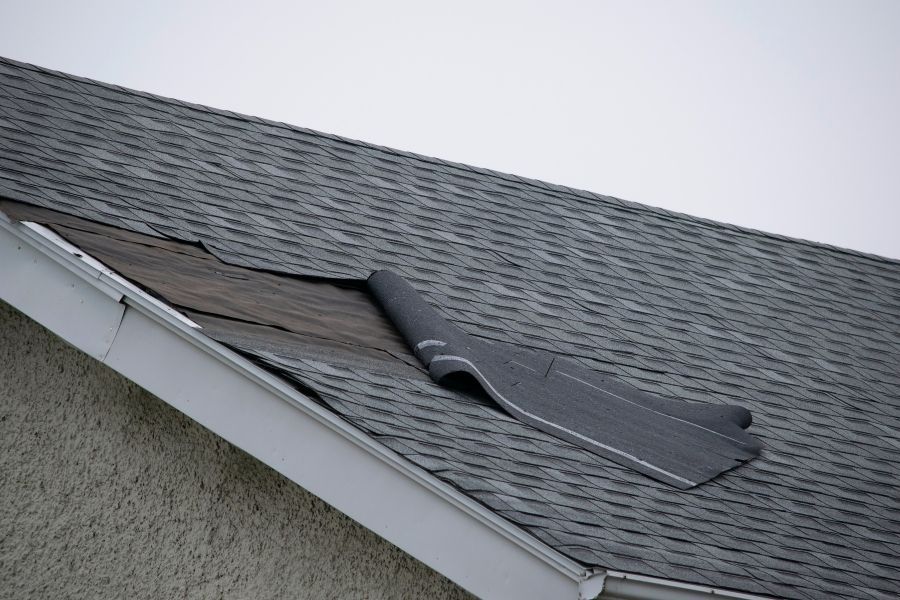
Your roof takes the hardest hit, so start there. Missing shingles, cracked flashing, and debris in valleys all signal that water may be getting inside. You don't need to climb up. Binoculars from the yard reveal a lot.
Check gutters and downspouts too. Storms pack them with leaves and shingle granules. Overflowing gutters pool water near the foundation. Document anything with timestamped photos before calling insurance.
What to Look For on the Roof
- Shingles that are curled, cracked, or completely missing
- Loose flashing around chimneys and vents
- Granule buildup in gutters (a sign shingles are deteriorating)
- Sagging sections or debris blocking downspouts
Spotted Storm Damage?
Our certified team can assess your property and help you take the right next steps.
Contact Our Team2. Inspect Windows and Exterior Doors
Windows and doors are vulnerable spots during high winds, hail, and driving rain. Look for cracked glass, bent frames, and broken seals. Run your hand along each window frame and feel for moisture. Wet sills are a red flag.
Check the caulking and weatherstripping around every exterior door too. Storms can loosen these seals, leaving gaps that let water in during the next rain. In Round Rock, Georgetown, and Pflugerville, clay soil already puts pressure on foundations and frames, so small gaps become entry points for serious water intrusion.
3. Walk the Foundation and Check the Grading
Pflugerville homes sit on slab foundations, so there's no basement to absorb excess water. Walk the perimeter and look for soil that sends water toward the house instead of away from it.
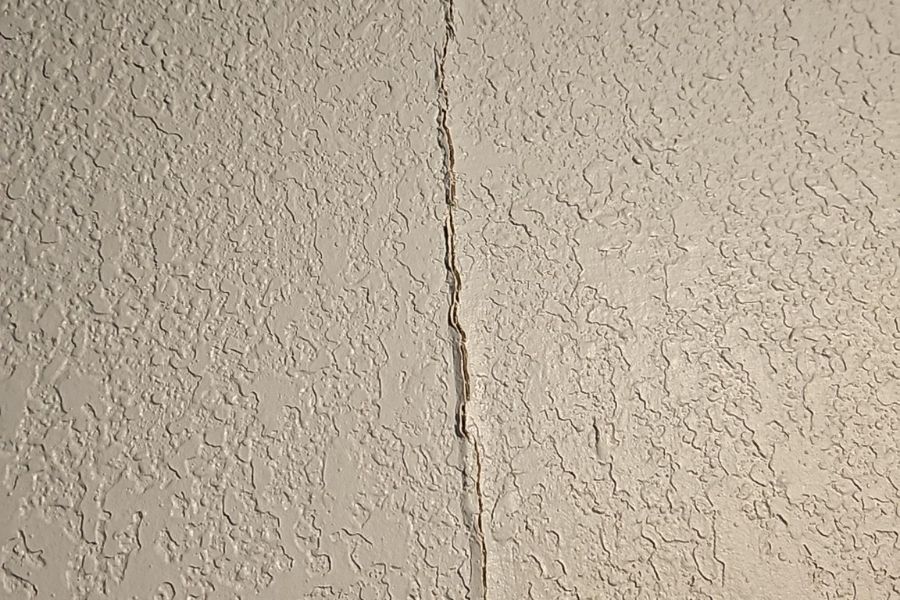
Fresh cracks in the slab or exterior walls should be documented. Hairline cracks can grow over time, especially with Central Texas clay shifting through wet and dry cycles.
Check for standing water near the foundation too. If puddles last more than 24 hours after rain stops, your drainage needs work. Standing water is the starting point for most of the water damage restoration projects we handle.
Quick Facts: Why Post-Storm Inspections Matter
- Mold can start growing within 24 to 48 hours of water exposure
- Roof and water damage make up the majority of homeowner storm claims
- Central Texas clay soil worsens foundation cracks after heavy rain
4. Look for Interior Water Intrusion
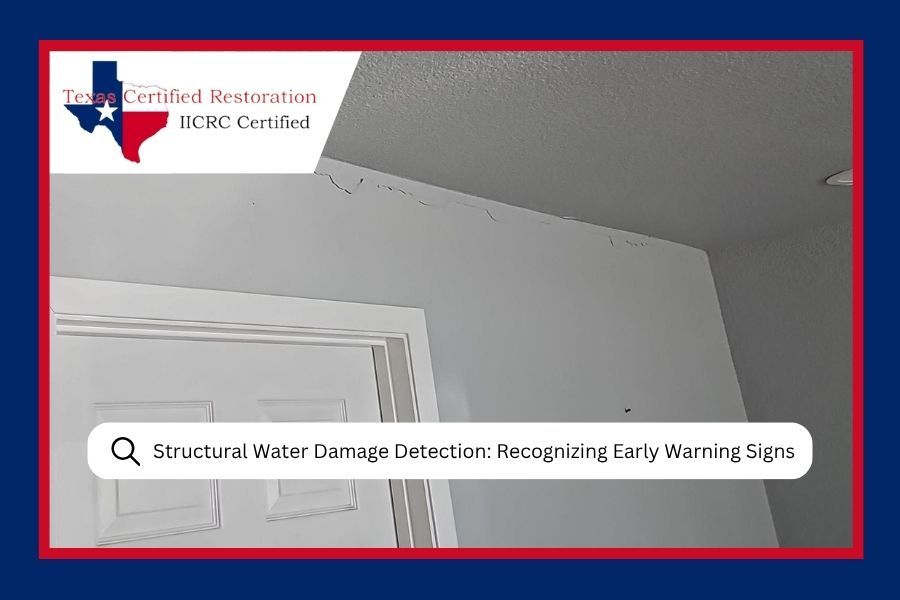
Once you've checked the outside, head indoors. Ceiling stains, bubbling paint, and warped baseboards are obvious signs water found a way in. Don't stop at the obvious spots. Open closet doors, pull back area rugs, and check under sinks.
Attic spaces are another area people skip. If your roof took damage, the attic is where water shows up first. Grab a flashlight and look for wet insulation, dark spots on wood decking, or daylight peeking through.
Homeowners in Cedar Park, Leander, and Hutto deal with the same risks. If you find active water intrusion, time matters. We've covered this in our guide on warning signs of water damage.
5. Test Your HVAC and Electrical Systems
Storms can knock out power, surge through electrical lines, and flood outdoor HVAC units. If your outdoor AC condenser was submerged or hit by debris, don't turn it on until a technician checks it. Running a damaged unit can start a fire or ruin the compressor.
Inside, check for tripped breakers and test outlets with a plug-in tester. Flickering lights, burning smells, or outlets that feel warm need a licensed electrician right away.
Your HVAC ductwork matters too. If water got into the system, it can spread moisture and mold spores throughout the house every time the system runs. Catch that early.
Not Sure What You're Looking At?
Our IICRC-certified team can do a thorough assessment after any storm.
Learn About Our Flood Restoration Services6. Watch for Mold and Lingering Moisture
This is the one that catches people off guard. A storm blows through, you clean up the yard, and life goes back to normal. Then three weeks later, you notice a musty smell in the guest room. That's mold.
According to the EPA's guide on mold and moisture, mold can start growing on damp materials in 24 to 48 hours. The key to stopping it is acting fast on moisture: dry out wet areas right away, run dehumidifiers, and make sure your home has good airflow after any water event.
Check behind furniture against exterior walls, inside closets, and around bathroom fixtures. If you see discoloration, fuzzy growth, or smell something off, don't scrub it with bleach and call it done. Big mold problems need a pro. For a deeper look, check out our post on common causes of mold and how to prevent them.
Post-Storm Inspection Checklist for Pflugerville Homeowners
| Area | What to Check | Done? |
|---|---|---|
| Roof | Shingles, flashing, debris | ☐ |
| Gutters | Clogs, overflow, downspouts | ☐ |
| Windows and Doors | Glass, seals, sill moisture | ☐ |
| Foundation | Cracks, grading, standing water | ☐ |
| Interior | Stains, warped baseboards, attic leaks | ☐ |
| HVAC and Electrical | Breakers, condenser, warm outlets | ☐ |
| Mold and Moisture | Musty smells, discoloration, damp closets | ☐ |
When to Call a Professional
Not every post-storm inspection ends with a phone call. But if you find active water intrusion, suspect hidden moisture, or notice mold growth, it's worth calling in a team with the right equipment.
At Texas Certified Restoration, we're IICRC-certified and available 24/7 for emergencies across Pflugerville, Round Rock, and the surrounding communities. We work directly with insurance companies to help make the claims process easier.
For a realistic sense of what to expect, check out our post on water damage restoration timeframes.
Frequently Asked Questions
How soon after a storm should I inspect my home?
Within 24 hours, once it's safe to be outside. The sooner you identify damage, the faster you can prevent secondary issues like mold. Take photos of anything you find for insurance documentation.
Can I do a post-storm inspection myself, or do I need a professional?
You can handle the initial walkthrough yourself using the checklist above. If you find active leaks, standing water, or mold, that's when a certified restoration company should get involved.
Does homeowners insurance cover storm damage in Texas?
Most standard policies cover sudden storm damage from wind and hail. Flood damage typically requires a separate policy through the National Flood Insurance Program. Review your coverage before storm season.
What's the biggest mistake homeowners make after a storm?
Waiting too long. Water can travel behind walls and under flooring without visible signs for weeks. By the time you notice, the damage and repair cost have grown significantly.

Tracy King
About The Author:
Tracy King, of Texas Certified Restoration, brings over 10 years of combined industry experience to the disaster restoration field. Since the founding of the company, Tracy has been committed to providing professional and dependable restoration services to homeowners and businesses throughout the Greater Austin area. With a passion for helping clients navigate the challenges of water damage, fire damage, and other disaster-related situations, Tracy leads a certified team dedicated to delivering quality service that helps families and businesses resume normal life after unexpected emergencies.
Read More: