Electrical Fire Prevention and Response: Homeowner Safety Protocols
Updated on: November 3, 2026
Author: Tracy King
Most electrical fires give off warning signs first, like warm outlets, flickering lights, or a faint burning smell. Our team at Texas Certified Restoration handles Austin fire damage restoration after these fires, and honestly, we'd rather help you prevent one. Here's how to spot trouble early and respond if a fire starts.
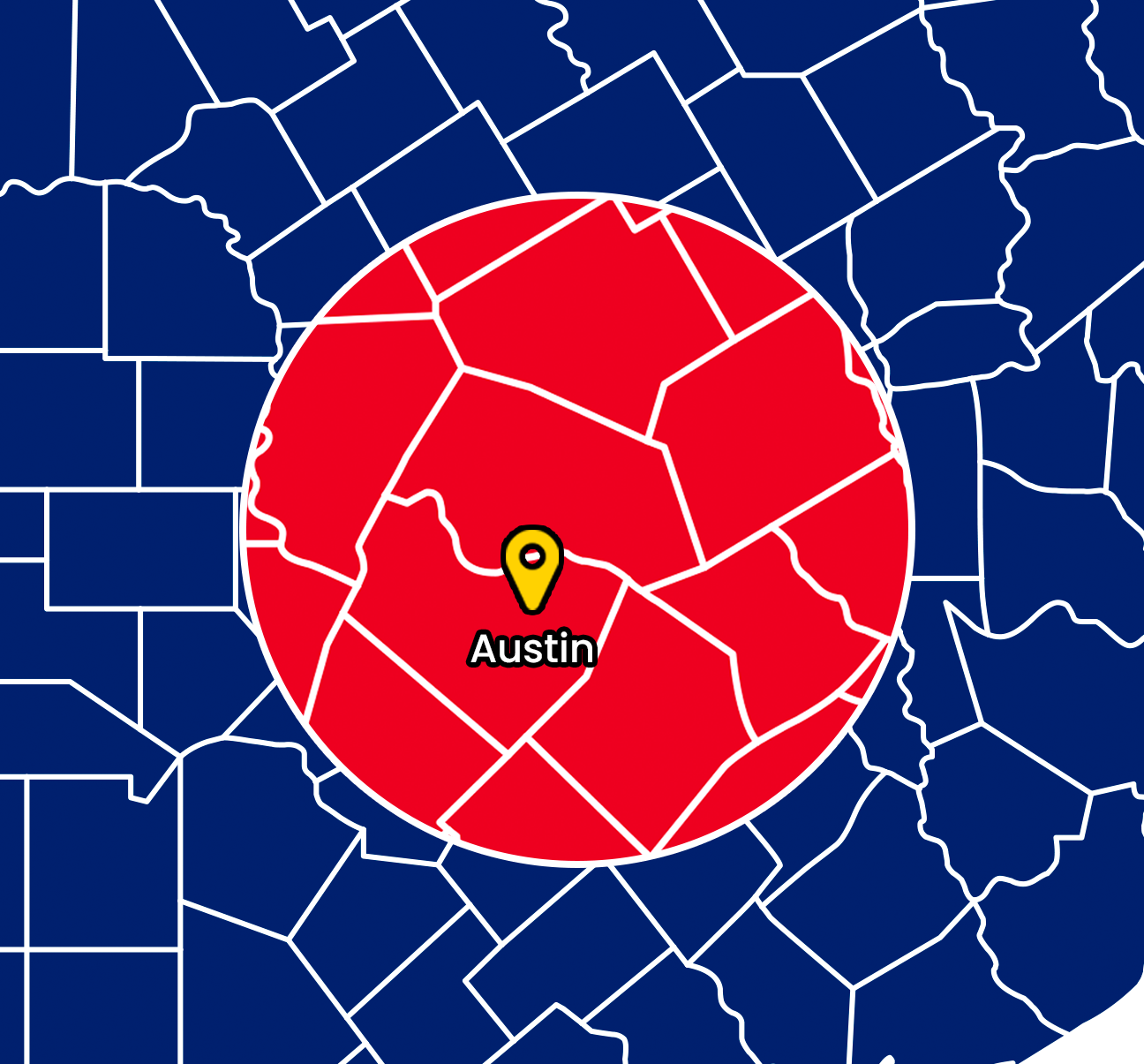
We're IICRC certified and serve Round Rock, Pflugerville, Georgetown, and the rest of Williamson and Travis counties. Lots of the fires we clean up could've been stopped by one small fix.

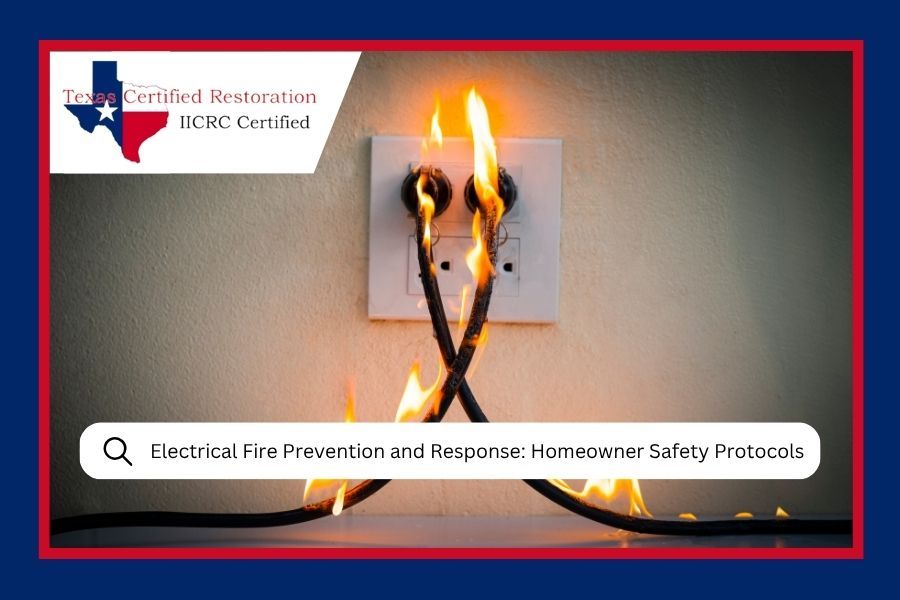
A scorched outlet is often the only visible sign of a fire inside the wall.
What Causes Most Electrical Fires in Homes?
Most home electrical fires trace back to wiring, outlets, and cords that are damaged, overloaded, or just plain old. Heat builds wherever current meets resistance, like a loose connection. Over time, that heat dries out insulation and nearby materials until something ignites, often inside a wall where nobody can see it.
The Usual Suspects We Find
- Overloaded outlets and power strips behind TVs and desks.
- Extension cords crushed under rugs or furniture.
- Loose or aging outlets and switches that arc.
- Space heaters running on light-duty cords.
- Lightning strikes and power surges from Central Texas storms.
Older homes add another layer. Their wiring was never built for today's chargers, TVs, and summer AC loads. If your panel has never been checked, call a licensed electrician.
Smelled Smoke but Can't Find the Source?
Smoke from burned wiring travels through vents into rooms far from the fire. Our crew can find that residue and clean it right.
See Our Smoke Damage RestorationWhat Are the Warning Signs of an Electrical Fire Risk?
Your home usually tells you something's wrong before an electrical fire starts. Warm switch plates, buzzing outlets, and lights that flicker for no reason all point to heat or arcing in the circuit. Ready.gov's home fire guidance says to shut off and professionally replace switches that feel hot and lights that flicker.
| Warning Sign | What It Could Mean | What to Do |
|---|---|---|
| Outlet or switch plate warm to the touch | Loose connection or overloaded circuit | Unplug everything and call an electrician |
| Flickering or dimming lights | Arcing or a failing connection | Stop using that circuit until it's checked |
| Burning plastic or fishy smell | Melting wire insulation | Cut power at the breaker if safe, then call |
| Breaker trips again and again | Overload or a short circuit | Don't keep resetting it |
| Scorch marks on an outlet | Past arcing or heat damage | Replace it before using it again |
That fishy smell surprises people. Overheating insulation can smell like fish. So before you blame last night's salmon, check your outlets.
How Can You Prevent an Electrical Fire at Home?
Preventing an electrical fire mostly comes down to not asking your wiring to do more than it was built for. That means spreading out heavy loads, swapping damaged cords, and getting strange circuits checked by a licensed electrician. Most of these habits take minutes. Tick them off as you go.
Electrical Fire Safety Checklist

Stacked power strips are a hazard we spot in Greater Austin homes all the time.
Storms matter too. Lightning and power surges hit homes around Hutto, Cedar Park, and Pflugerville every year. A whole home surge protector is a simple upgrade.
What Should You Do If an Electrical Fire Starts?
If an electrical fire starts, cut the power if you can do it safely, and never use water. Water conducts electricity, so tossing a cup on a burning outlet can shock you and spread the flames. A Class C or ABC extinguisher works on small fires. Anything bigger means you get out and call 911.
- Get everyone moving toward an exit. People come before stuff.
- If the panel is safe to reach, shut off that circuit or the main.
- Use your extinguisher. Aim low and sweep side to side.
- If the fire grows, leave and call 911 from outside.
- Close doors behind you to slow the smoke.
- Don't go back in until the fire department says it's safe.
Practice Before You Need It
Fire moves fast, and panic makes simple steps feel hard. The NFPA home fire safety resources help you plan an escape route with your family.
What Happens After an Electrical Fire Is Out?
Once the flames are out, the damage is usually bigger than the burned spot suggests. Electrical fires often smolder inside walls and push smoke through the whole house. Soot settles far from the outlet, and burned plastic insulation leaves an oily, acidic residue that keeps eating at finishes the longer it sits.
First, an electrician makes the system safe, because you should never reconnect power yourself. Next, secure the house. Our emergency board-up services cover broken windows, doors, and openings so weather and trespassers stay out.

Smoke rises, so ceilings often take the heaviest soot, even rooms away from the outlet.
Then comes cleanup. Household cleaners can smear wiring soot deeper into paint. Our post on smoke damage cleanup, pro vs DIY explains where DIY backfires. Also watch for these overlooked smoke damage signs in closets, vents, and electronics.
If this just happened to you, our guide to your first 48 hours after a house fire covers insurance and documentation. We follow IICRC standards on every job, including fire damage restoration in Round Rock and nearby towns.
Had an Electrical Fire? We Pick Up 24/7
Our team at Texas Certified Restoration answers day and night. Call (512) 883-6760 and we'll walk you through next steps anywhere in the Greater Austin area.
Electrical Fire FAQs
These are the electrical fire questions Central Texas homeowners ask us most. The answers are short and plain. If your situation doesn't fit neatly into one of them, that's normal. Every house is a little different, so call us and we'll talk it through.
Can a burning smell with no smoke mean an electrical problem?
Yes. Overheating wire insulation can give off a burning plastic or fishy odor well before you see smoke. Unplug nearby devices, turn off the circuit if you can, and have an electrician find the source.
Is it okay to keep resetting a breaker that trips?
No. A tripping breaker is doing its job by cutting power to an overloaded or shorted circuit. Resetting it over and over ignores the warning, so move some devices to another circuit and call an electrician if it continues.
Who should I call first after an electrical fire?
Call 911 first if there's any active fire. Then an electrician makes the system safe, and a restoration crew handles board-up and smoke cleanup. We're happy to coordinate timing with your electrician.
Can I stay home after a small electrical fire?
Sometimes, but only after the fire department and an electrician say it's safe. Even a small fire leaves smoke residue behind. Family members with breathing issues may want to stay elsewhere during cleanup.

Tracy King
About The Author:
Tracy King, of Texas Certified Restoration, brings over 10 years of combined industry experience to the disaster restoration field. Since the founding of the company, Tracy has been committed to providing professional and dependable restoration services to homeowners and businesses throughout the Greater Austin area. With a passion for helping clients navigate the challenges of water damage, fire damage, and other disaster-related situations, Tracy leads a certified team dedicated to delivering quality service that helps families and businesses resume normal life after unexpected emergencies.
Read More: