Water Damage Risk Assessment: Evaluating Your Property's Vulnerability
Updated on: November 10, 2026
Author: Tracy King
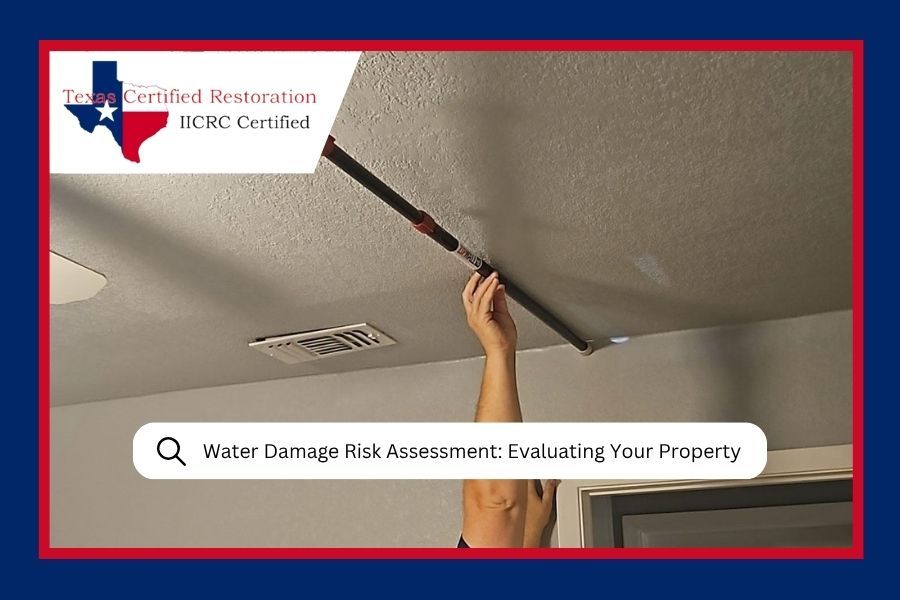
A water damage risk assessment is a simple walkthrough that shows where water could get into your home and how much harm it could do. Most of the leaks we see started small and got ignored. Spending an afternoon on this now beats a call for emergency water damage restoration later.
Our team at Texas Certified Restoration has over 10 years of combined experience drying out homes in Round Rock, Pflugerville, Georgetown, and across Williamson and Travis County. Here's how we'd size up a house if it were ours.
What Is a Water Damage Risk Assessment?
A water damage risk assessment weighs two things: how likely a leak is, and how bad it would be. A dripping hose bib outside is annoying. A water heater leaking in the attic, right above your living room, is a much bigger deal. Put likelihood and damage together, and you know where to focus first.
Restoration pros follow the IICRC S500 water damage standard when cleaning up a loss. Here's a detail most homeowners never hear.
The standard treats finding and fixing the water source as the property owner's job, not the restorer's. So prevention is mostly on you. The good news? It isn't hard.
Where Does Water Get Into Central Texas Homes?
Most water damage in the Austin area starts inside the house, not outside. Supply lines, water heaters, and AC drain lines cause the bulk of the calls we get. Storms and flash floods are the scary headline risks. But plumbing and appliances fail far more often, and usually with zero warning.
Plumbing and Appliances
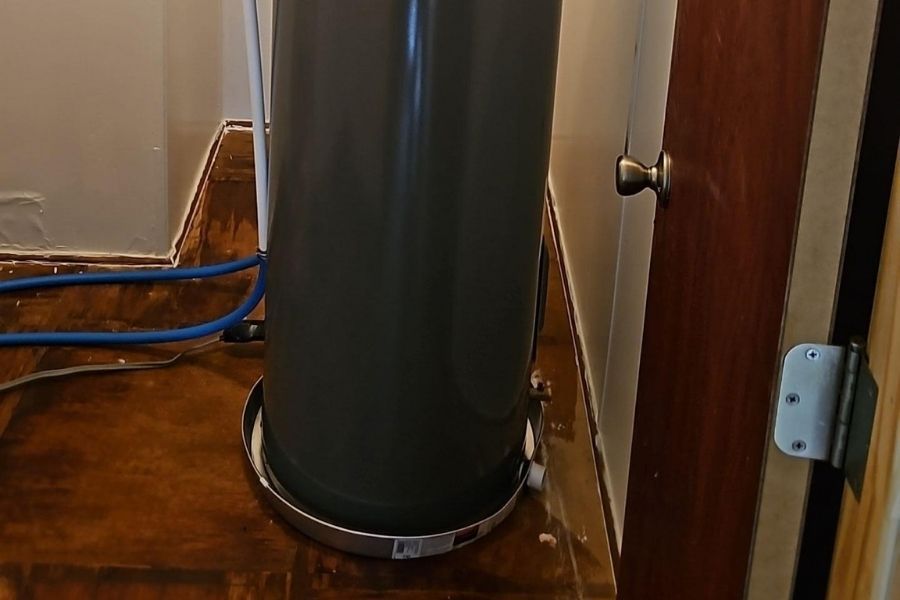
Homes around here sit on slab foundations, so there's no basement to catch a leak. Water spreads sideways instead, under baseboards and into the next room. These are the spots we'd check first:
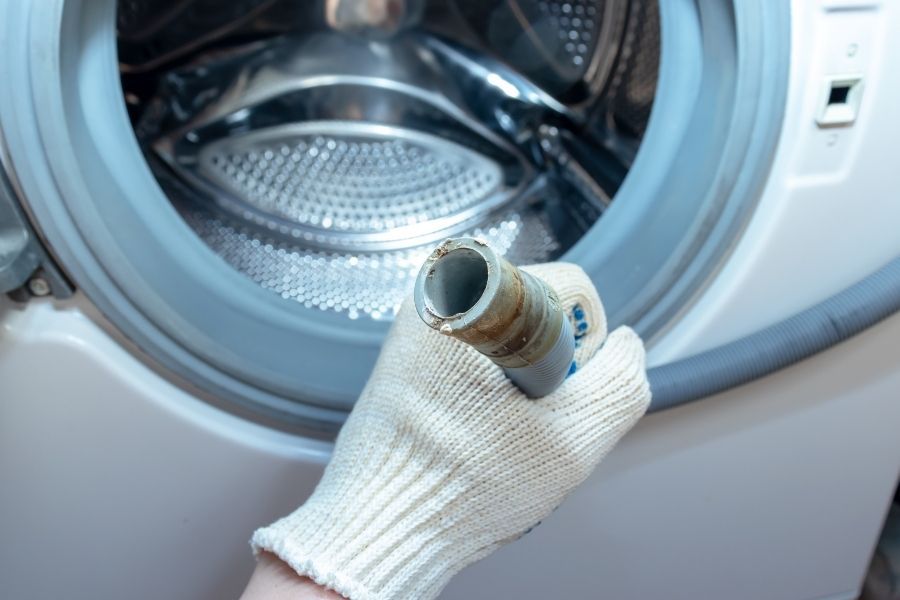
- Washing machine and fridge supply lines, especially old rubber hoses
- Water heaters in garages and attics
- AC condensate lines and drain pans in the attic
- Toilet and sink supply lines under cabinets
Roofs, Windows, and Drainage
Heavy rain finds every weak spot. Aging shingles, cracked flashing, and gutters that dump water beside the slab all raise your risk. Check the ground around your house, too. It should slope away from the foundation, not toward it.
Already Found a Wet Spot?
Please don't just point a box fan at it. Moisture hides inside drywall and under flooring, and it needs real drying equipment to come out.
See How Structural Drying WorksHow Do You Rate Your Home's Risk?
You can rate your home's risk in about 20 minutes with a flashlight and the table below. Walk each area and compare what you see to the two columns. Anything landing in the higher risk column goes on your list. Two or three marks there means it's time to make a plan.
| Area | Lower Risk | Higher Risk |
|---|---|---|
| Supply lines | Braided steel, recently replaced | Rubber hoses or unknown age |
| Water heater | Garage, with a drain pan | Attic, no pan, or over 10 years old |
| AC drain line | Flows clear, has a float switch | Clogs often, no shutoff switch |
| Roof | Newer, no missing shingles | Older, patched, or storm hit |
| Yard grading | Slopes away from the slab | Flat or slopes toward the house |
| Location | Higher ground, away from creeks | Near a creek or low street |
Quick Self Check: Tap Everything That Applies
Check a box to see your risk level.
Which Problems Should You Fix First?
Fix anything leaking right now first, then anything sitting above a finished ceiling. Active leaks get worse by the hour. Attic water heaters and AC lines come next, because gravity sends that water straight through drywall. Cheap fixes like new hoses can wait a weekend, just not a year.
Here's the order we'd follow:
- Find your main shutoff valve and make sure it actually turns.
- Swap rubber washer and fridge hoses for braided steel lines.
- Add a drain pan and float switch to any attic units.
- Clean gutters and extend downspouts away from the slab.
Small drips deserve respect. In one Pflugerville home, a small under sink leak spread to four rooms before anyone noticed. That's a slab foundation doing exactly what slabs do.
How Big Is Your Flood and Storm Risk?
Central Texas is often called Flash Flood Alley, so outside water is a real risk even far from a river. Rain can fall fast on thin soil and limestone, and low streets flood quickly. Your flood zone is a starting point, not a promise. Heavy rains from hurricane season reach us here, too.
According to FloodSmart's flood risk guide, nearly a third of flood insurance claims from 2014 to 2024 came from outside high risk zones. Look up your address there. Then brush up on seasonal water damage risks in Central Texas so you know when to double check gutters.
Your insurance policy deserves a look, too. Most homeowners policies don't cover flood, and that gap catches plenty of folks off guard. Our guide to flood vs. homeowners insurance coverage explains the difference in plain English.

If storm water does get in, professional flood damage restoration in Austin covers extraction, drying, and the documentation your adjuster will ask for.
Found Something You Can't Explain?
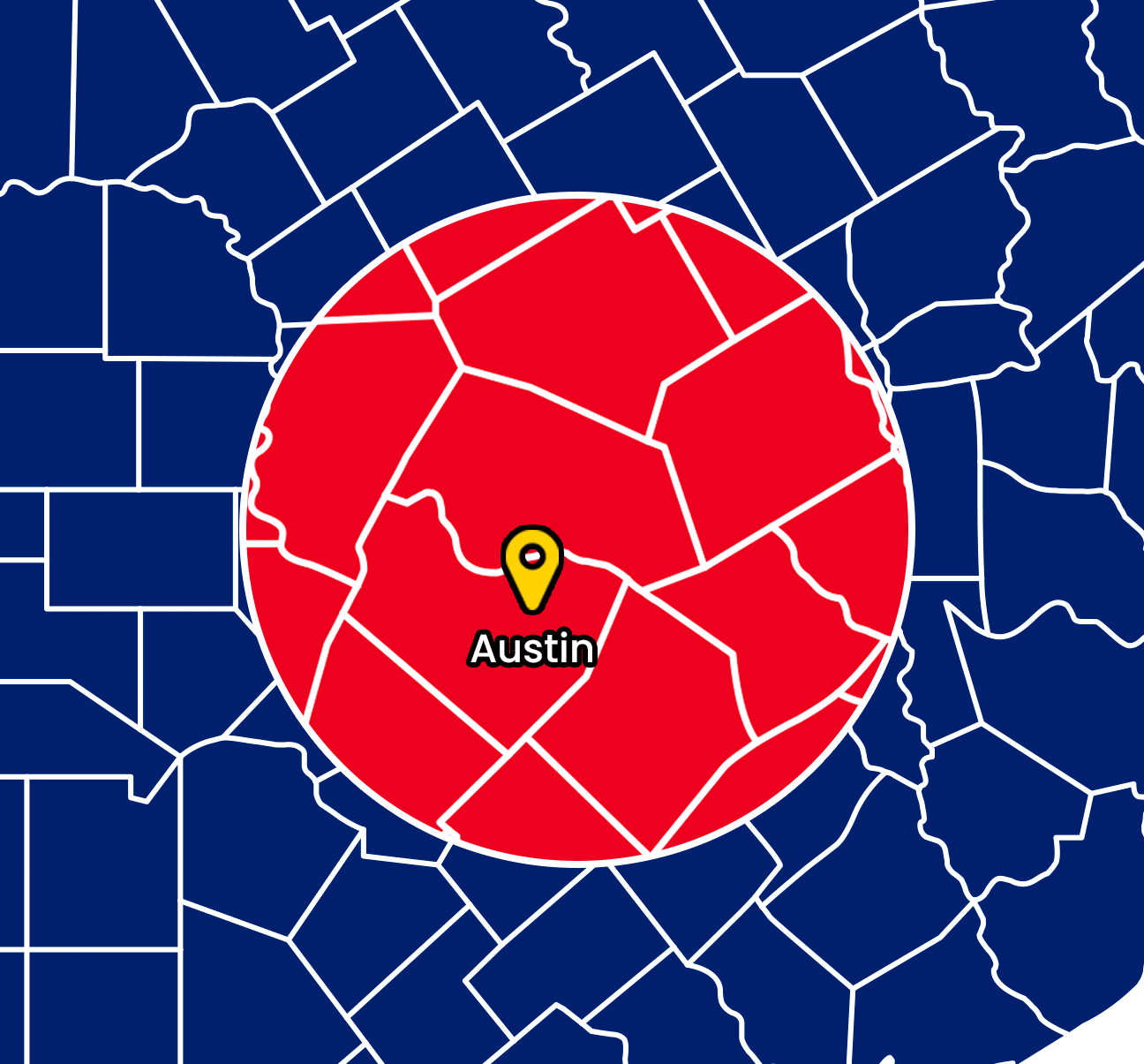
Our team at Texas Certified Restoration is based in Round Rock and serves Pflugerville, Cedar Park, Georgetown, Hutto, and the rest of Greater Austin. Learn more about our water damage help in Round Rock, or call us 24/7 at (512) 883-6760.
Call (512) 883-6760Frequently Asked Questions
How often should I do a water damage risk assessment?
Twice a year works well for most homes. Do one in spring before storm season and one in fall. It's also smart after any big storm or right after you buy a house.
Can a home outside a flood zone still flood?
Yes. Flood maps show general risk, not your exact lot. Poor grading, clogged storm drains, or a slow moving storm can push water in almost anywhere.
What's the most common water damage risk in Austin area homes?
In our experience, it's supply lines and appliances. Washer hoses, fridge lines, water heaters, and AC drain lines cause far more calls than storms do.
Can fixing these risks lower my insurance costs?
Sometimes. FEMA notes that flood mitigation, like raising equipment off the floor, can help lower flood insurance costs. Ask your agent what counts for your specific policy.

Tracy King
About The Author:
Tracy King, of Texas Certified Restoration, brings over 10 years of combined industry experience to the disaster restoration field. Since the founding of the company, Tracy has been committed to providing professional and dependable restoration services to homeowners and businesses throughout the Greater Austin area. With a passion for helping clients navigate the challenges of water damage, fire damage, and other disaster-related situations, Tracy leads a certified team dedicated to delivering quality service that helps families and businesses resume normal life after unexpected emergencies.
Read More: