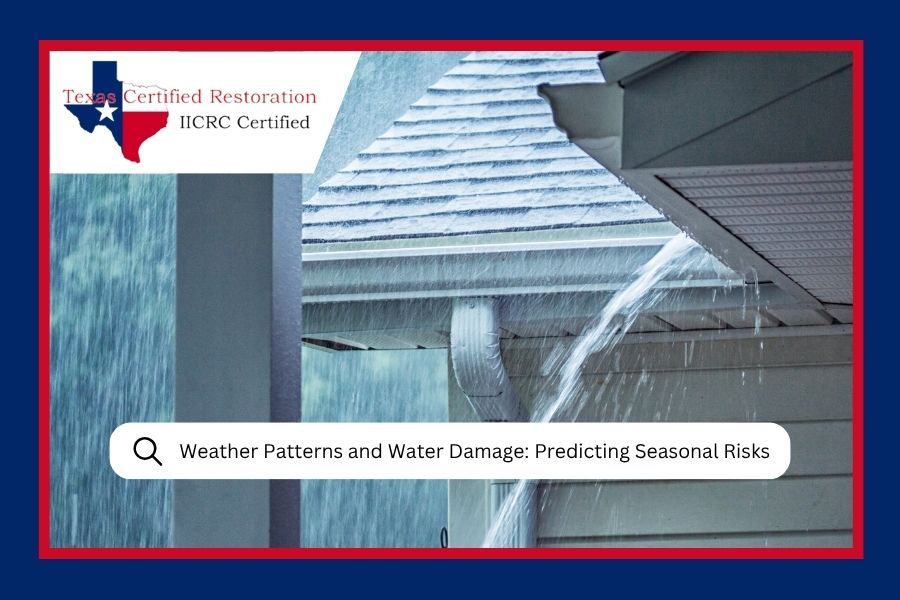
Weather Patterns and Water Damage: Predicting Seasonal Risks
Updated on: August 4, 2026
Author: Tracy King
Jump To:
If you've lived in the Greater Austin area for more than one rainy season, you already know the weather here doesn't play by the rules. One week it's dry and sunny, the next you're watching water pool in your yard faster than it can drain. That unpredictability is exactly what makes water damage restoration one of the most common needs for homeowners across Round Rock, Pflugerville, Cedar Park, and the surrounding communities.
At Texas Certified Restoration, we've spent over a decade helping Central Texas homeowners recover from weather-related water damage. Most of the damage we respond to could have been reduced with a little seasonal awareness.
How Central Texas Weather Creates Water Damage Risks
Central Texas sits in a unique climate zone where subtropical moisture, Gulf Coast storm systems, and rapid temperature swings collide. That makes our region one of the most flash-flood-prone areas in the country.
Spring and Summer Thunderstorms
Spring storms here are no joke. Between April and June, warm Gulf air crashes into cooler fronts, creating thunderstorms that dump several inches of rain in under an hour. Homeowners in Georgetown, Hutto, and Manor know this pattern well.
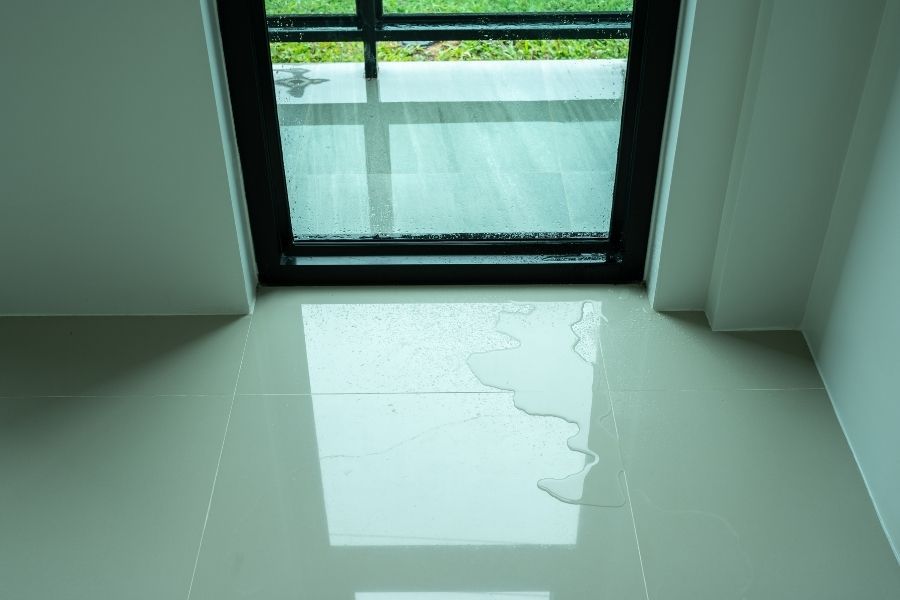
These downpours overwhelm gutters, flood low-lying areas around foundations, and force water where it was never meant to go. Even homes on slab foundations (which is most of Central Texas) can see water intrusion through door thresholds, window wells, and slab cracks. You can go from clear skies to standing water in your garage in 30 minutes.
Hurricane Season and Tropical Moisture
From June through November, tropical systems in the Gulf push massive moisture inland, even when the storm itself never makes landfall nearby. Tropical remnants and feeder bands have dumped record rainfall on Williamson and Travis counties multiple times in recent years.
These events differ from spring thunderstorms. Instead of a quick burst, you get 24 to 72 hours of steady rain. The ground saturates, drainage backs up, and water finds every weakness in your home's exterior. If you've been meaning to fix that foundation crack or clean those clogged gutters, hurricane season has a way of making you regret it.
Don't Wait for the Next Storm to Find Out Your Home Isn't Ready
Texas Certified Restoration offers 24/7 emergency response across the Greater Austin area.
See Our Restoration ServicesSeasonal Water Damage Risk Calendar for Central Texas
Not all water damage risks are created equal. Knowing which threats peak at which times gives you a real advantage.
| Season | Months | Primary Risks | Risk Level |
|---|---|---|---|
| Spring | March to May | Flash flooding, severe thunderstorms, hail damage to roofs | High |
| Summer | June to August | Tropical storms, AC condensation leaks, humidity-driven moisture | High |
| Fall | September to November | Late hurricane season, stalled fronts, heavy multi-day rain events | Moderate to High |
| Winter | December to February | Pipe stress from cold snaps, ice-related roof damage, poor drainage | Moderate |
Central Texas doesn't really get a "safe" season for water damage. Spring and summer bring the most dramatic risks, but fall and winter have their own problems. For a deeper look at how floods unfold, check out our guide on flash flood recovery from emergency response to full restoration.
How to Prepare Your Home for Each Season's Water Damage Risks
Seasonal preparation doesn't have to be overwhelming. A few targeted steps at the right time can make the difference between a close call and a costly cleanup. The National Weather Service recommends that homeowners in flood-prone regions prepare well before storm season.
Spring Prep Checklist (Do This by March)
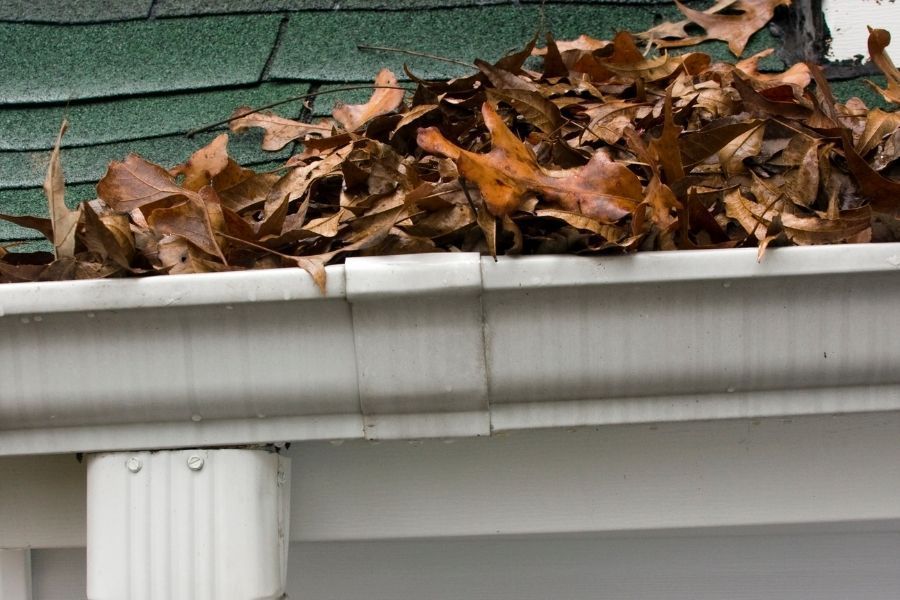
- Clean gutters and downspouts. Clogged gutters are the number one cause of preventable water intrusion during heavy rain.
- Inspect your roof. Look for missing or damaged shingles, especially after winter.
- Check grading around your foundation. Soil should slope away from your home, not toward it.
Summer and Hurricane Season Prep (Do This by June)
- Service your AC unit. A poorly maintained air conditioner can leak condensation into walls and ceilings. In Texas heat, that moisture adds up fast.
- Seal windows and doors. Check weatherstripping and caulking around all exterior openings.
- Know your shutoff valves. If water starts coming in, you need to cut the supply quickly.
- Review your insurance policy. Standard homeowners insurance usually doesn't cover flood damage. You may need a separate policy through the National Flood Insurance Program.

For more year-round strategies, take a look at our water damage prevention tips.
Fall and Winter Prep (Do This by October)
- Insulate exposed pipes. Cold snaps do happen here, and pipes in exterior walls and garages are vulnerable.
- Clear storm drains near your property. Leaf buildup causes drainage backups during winter rains.
- Inspect your water heater. Older units are more likely to leak during colder months when they're working harder.
Homeowners across Pflugerville, Leander, and the surrounding communities face these same seasonal risks. A little preparation goes a long way.
What to Do When Weather Causes Water Damage
Even with the best preparation, sometimes the weather wins. When water gets into your home, what you do in the first few hours matters more than almost anything else.
- Stop the source if you can. Turn off the water supply if a pipe or appliance is involved. For weather-related intrusion, focus on keeping water from spreading further.
- Document everything. Take photos and videos before you move anything. Your insurance company will need this.
- Call a professional storm damage restoration team. The sooner extraction and drying begin, the less secondary damage you'll face.
- Don't DIY a major water event. Standing water and moisture behind walls need professional-grade equipment. A shop vac and some fans won't cut it.
Understanding the common causes of water damage can help you spot problems before they escalate.
Dealing With Water Damage Right Now?
Our IICRC-certified team responds 24/7 across Round Rock, Pflugerville, Cedar Park, Georgetown, and the Greater Austin area.
Learn About Our Flood Restoration ServicesFrequently Asked Questions
What time of year causes the most water damage in Central Texas?
Spring and summer are the highest-risk periods. Severe thunderstorms from April through June and tropical moisture from June through November account for the majority of weather-driven water damage calls we receive.
Does homeowners insurance cover weather-related water damage?
It depends on the source. Most policies cover sudden water damage from burst pipes or storm-damaged roofs. However, flood damage from rising water typically requires a separate flood insurance policy.
How quickly should I call a restoration company after water damage?
As soon as possible. Moisture begins damaging building materials within hours, and microbial growth can start within 24 to 48 hours. The faster professionals begin extraction and drying, the less expensive the restoration will be. Contact our team any time, day or night.
Can I predict when my home is most at risk for water damage?
You can't predict exact weather events, but you can identify your home's vulnerabilities by season. Homes with older roofs face higher risk in spring hail season, while homes with poor drainage are more vulnerable during extended fall rain. A walk-through of your property twice a year helps catch problems early.

Tracy King
About The Author:
Tracy King, of Texas Certified Restoration, brings over 10 years of combined industry experience to the disaster restoration field. Since the founding of the company, Tracy has been committed to providing professional and dependable restoration services to homeowners and businesses throughout the Greater Austin area. With a passion for helping clients navigate the challenges of water damage, fire damage, and other disaster-related situations, Tracy leads a certified team dedicated to delivering quality service that helps families and businesses resume normal life after unexpected emergencies.
Read More: