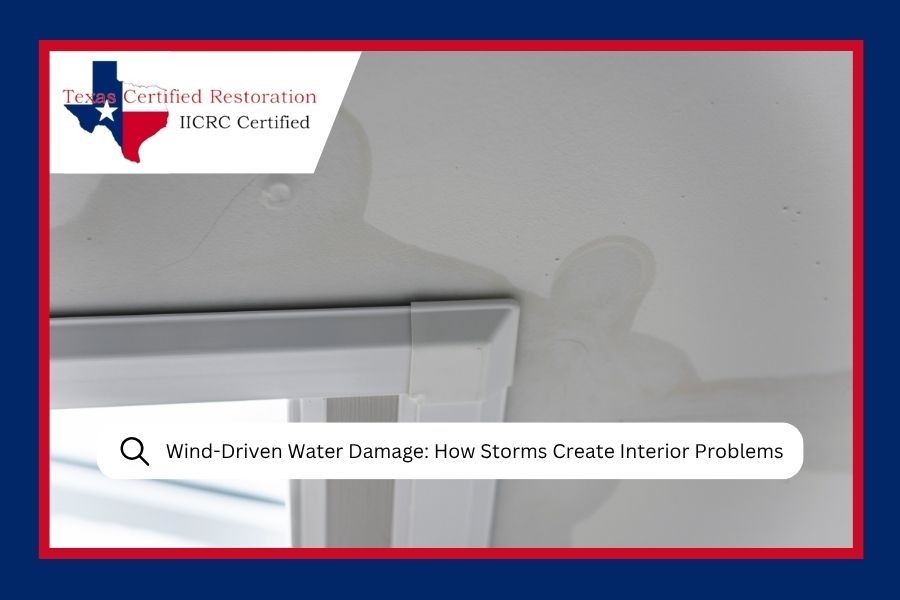
Wind-Driven Water Damage: How Storms Create Interior Problems
Updated on: August 11, 2026
Author: Tracy King
Jump To:
Most people picture water damage as a burst pipe or a flooded bathroom. But severe weather creates a different kind of threat. Wind-driven water damage happens when strong storms force rain sideways, through gaps that normally keep your home dry. For homeowners in Round Rock and the Greater Austin area, understanding storm damage restoration matters before the next big storm rolls through. At Texas Certified Restoration, our IICRC-certified team has seen how fast wind-driven rain can compromise a home's interior.
What Is Wind-Driven Rain?
Wind-driven rain is rainfall pushed horizontally by high winds instead of falling straight down. In severe weather, gusts force rain sideways at steep angles, turning it into a pressurized force against walls, windows, and roof edges.
The National Weather Service classifies severe thunderstorms as producing wind gusts of 58 mph or higher. At those speeds, rain finds every crack, gap, and vulnerable seam in your building envelope.
Your house can have a perfectly good roof and still take on water during a windstorm. The rain doesn't need a hole. It just needs enough pressure to push moisture past barriers that work fine under normal conditions.
How Storms Push Water Inside Your Home
Wind creates pressure differentials around your home. The windward side gets positive pressure, while the opposite side gets suction. This pulls moisture through the smallest openings.
No home is truly airtight. During a severe storm, wind pushes against one side while pulling air from the other. Water follows the path of least resistance, and that tiny gap around a window frame becomes a doorway for moisture.
Homeowners from Pflugerville to Georgetown deal with this regularly during Central Texas spring and fall storm seasons. Storms here come fast, with intense rainfall in short bursts. Heavy rain plus strong gusts is the exact combination that creates interior water damage.
Storm Damage? Don't Wait for It to Get Worse.
Our IICRC-certified team responds 24/7 to storm and water damage across the Greater Austin area.
Get Help NowCommon Entry Points for Wind-Driven Water
Knowing where wind-driven rain sneaks in helps you spot damage early. Here are the most vulnerable areas of a Central Texas home.
| Entry Point | Why It's Vulnerable | What to Check |
|---|---|---|
| Window frames | Caulk shrinks and cracks over time | Gaps in caulking, bubbling paint |
| Roof edges and soffits | Wind lifts shingles, exposing underlayment | Lifted shingles, ceiling stains near eaves |
| Door thresholds | Worn weatherstripping allows horizontal entry | Dampness at base of exterior doors |
| Siding joints | Mortar and sealant deteriorate with age | Crumbling mortar, interior damp spots |
| Attic vents | Designed for airflow, not sideways rain | Wet insulation, moisture on sheathing |
Many of these work fine during a standard rainstorm. It's only when wind speeds increase that rain finds its way past them. Your home might go years without an issue and then get hit hard during one severe storm.
Signs of Wind-Driven Water Damage After a Storm
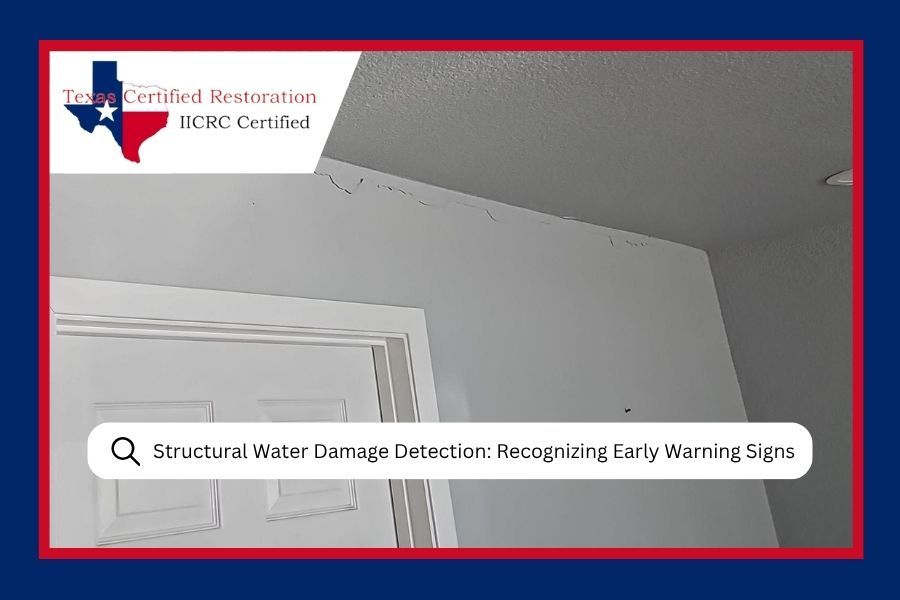
Water damage from wind-driven rain doesn't always show up as a puddle. Sometimes the signs are subtle, and that's what makes them dangerous. Moisture trapped behind walls can cause problems for weeks before anything visible appears.
Watch for these warning signs after severe weather:
- Water stains on ceilings or walls near windows, doors, or where the roof meets the wall
- Peeling or bubbling paint on interior surfaces, indicating moisture behind the finish
- Musty odors in rooms that don't normally smell that way
- Warped flooring near exterior walls or beneath windows
- Damp carpet or baseboards along storm-facing walls
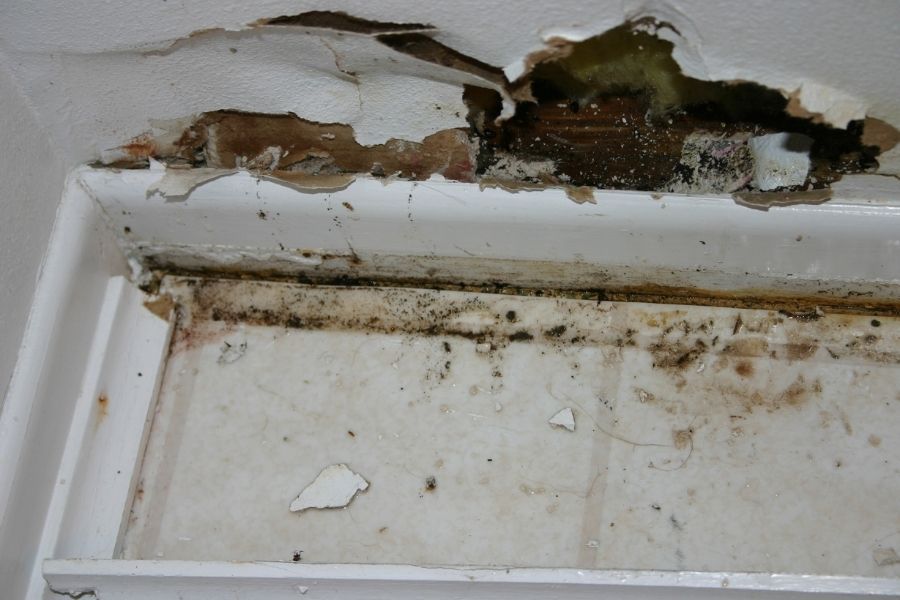
Our team regularly helps homeowners in Cedar Park, Hutto, and Leander who waited a few days before realizing their storm damage was worse than expected. The earlier you catch it, the less extensive the water damage restoration process will be.
What to Do After a Storm Hits
Quick action matters. A small damp spot can turn into a major issue within 48 hours. Here's your post-storm action plan.
Do a Visual Walk-Through
Once the storm passes, check every room for water entry. Focus on walls and ceilings near the exterior, windows, and the attic.
Document Everything
Take photos and video of any damage. This helps with insurance claims and gives restoration professionals a clear picture of the scope.
Contain the Spread
If water is actively coming in, use towels or buckets to manage it. Move valuables away from wet areas. Don't tear out drywall yourself, because improper removal can cause structural problems.
Call a Professional Team
A certified flood damage restoration team can assess damage you can't see, including moisture behind walls and under floors. Professional detection equipment finds hidden water that household tools miss.
For storm-related water damage in Round Rock or surrounding communities in Williamson and Travis counties, our team at Texas Certified Restoration is available around the clock.
How to Protect Your Home from Wind-Driven Rain
You can't prevent severe storms, but you can reduce your risk. Ready.gov recommends proactive severe weather preparation, including maintaining your home's defenses against water intrusion.
Here's a seasonal checklist:
- Inspect weatherstripping around doors and windows each spring
- Check caulking around window frames, siding joints, and exterior penetrations
- Clean gutters so water flows properly even during heavy rainfall
- Schedule a roof inspection focusing on shingle condition, flashing, and vent integrity
- Trim trees near your home to reduce the risk of wind damage to siding and roofing
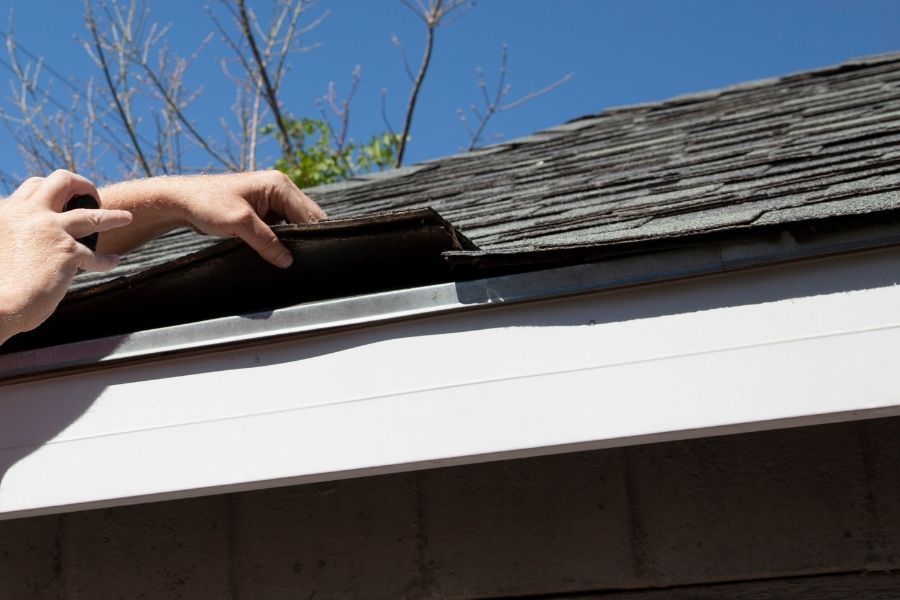
A few hours of seasonal maintenance can save you thousands. For more on protecting your home from unexpected water intrusion, check out our post on warning signs of water damage.
Spotted Storm Damage? Let's Take a Look.
Texas Certified Restoration serves Round Rock, Pflugerville, Cedar Park, Georgetown, and the entire Greater Austin area.
See Our ServicesStorm damage can compound existing issues like prior leaks or aging roofing materials. Our guide on common causes of water damage covers how these problems overlap. If flooding accompanies the wind, our guide to flood-damaged home drying walks through the full recovery process.
Frequently Asked Questions
Can wind-driven rain damage a home even without roof damage?
Yes. Wind-driven rain creates enough pressure to force water through window seals, door thresholds, siding joints, and attic vents without damaging the roof itself. The wind pushes rain horizontally into gaps that normally stay dry during lighter storms.
How quickly should I respond to wind-driven water damage?
Within 24 to 48 hours. Moisture trapped behind walls or under flooring can cause mold growth and structural weakening within that window. The faster professionals begin extraction and drying, the lower the total damage and cost.
Does homeowners insurance cover wind-driven water damage?
Most standard homeowners insurance policies cover water damage caused by wind-driven rain, since wind is typically a covered peril. Coverage details vary by policy, so document all damage and contact your insurer promptly.
What parts of a Central Texas home are most vulnerable to wind-driven rain?
Window frames, roof edges, door thresholds, attic vents, and siding joints are the most common entry points. Homes in Round Rock, Pflugerville, Cedar Park, and Georgetown face added risk during spring and fall storm seasons when severe thunderstorms are most frequent.

Tracy King
About The Author:
Tracy King, of Texas Certified Restoration, brings over 10 years of combined industry experience to the disaster restoration field. Since the founding of the company, Tracy has been committed to providing professional and dependable restoration services to homeowners and businesses throughout the Greater Austin area. With a passion for helping clients navigate the challenges of water damage, fire damage, and other disaster-related situations, Tracy leads a certified team dedicated to delivering quality service that helps families and businesses resume normal life after unexpected emergencies.
Read More: