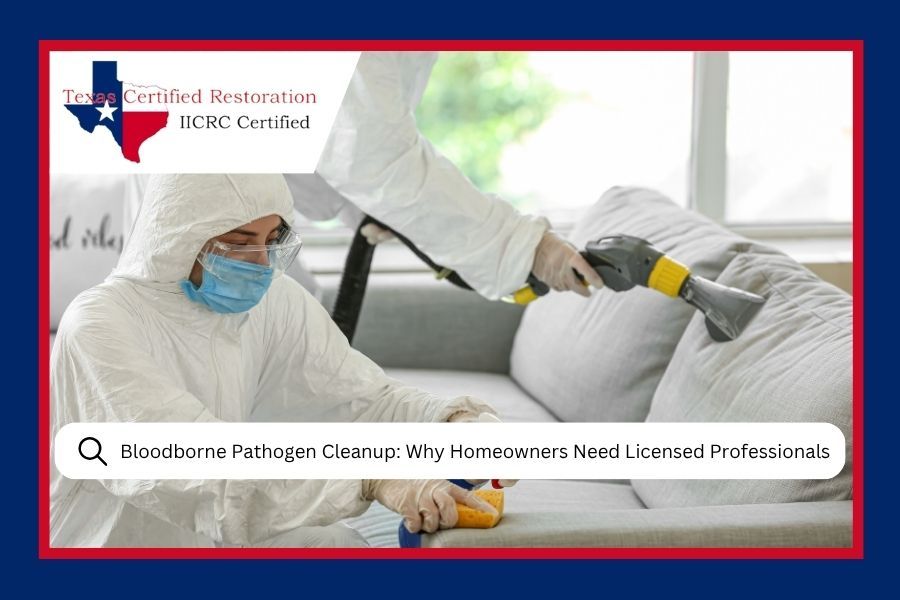
Bloodborne Pathogen Cleanup: Why Homeowners Need Licensed Professionals
Updated on: August 18, 2026
Author: Tracy King
Jump To:
Nobody expects to deal with blood cleanup in their own home. But accidents happen, and sometimes homeowners in the Greater Austin area find themselves facing a scene they have no idea how to handle safely. That's where professional biohazard cleanup in Austin, TX comes in. At Texas Certified Restoration, we've spent over a decade in disaster restoration, and we can tell you this: bloodborne pathogen cleanup is not a mop-and-bucket job. It requires training, specialized equipment, and strict protocols that go far beyond what most people realize.
What Are Bloodborne Pathogens?
Bloodborne pathogens are microorganisms found in human blood and certain body fluids that can cause disease when they enter another person's body. The most well-known include Hepatitis B (HBV), Hepatitis C (HCV), and HIV. According to OSHA's Bloodborne Pathogens Standard, millions of workers are at risk of exposure, and the agency created an entire regulatory framework to address the hazard.

Here's what makes these pathogens especially dangerous for homeowners: they don't disappear when blood dries. Hepatitis B can survive on surfaces in dried blood for up to a week. That stain that looks "old" or "harmless" could still carry an active virus.
Blood isn't the only concern. Other potentially infectious materials include saliva, cerebrospinal fluid, and any body fluid visibly contaminated with blood. If you can see it, assume it's a risk.
Why Is DIY Bloodborne Pathogen Cleanup So Dangerous?
Your first instinct is to grab the bleach and paper towels and handle it yourself. It feels faster and cheaper. But DIY bloodborne pathogen cleanup puts you and your family in real danger.
You can't see the full contamination. Blood soaks into porous materials like carpet, wood flooring, grout, and drywall. What you see on the surface is often just a fraction of the total contamination. Without proper assessment tools, you're leaving biohazardous material behind in places you can't reach.
Household cleaners aren't enough. Standard products don't meet the disinfection standards required for pathogen decontamination. Professional crews use EPA-registered hospital-grade disinfectants. Bleach can work in some situations, but concentration, contact time, and application method all matter. Most homeowners get at least one of those wrong.
Cross-contamination happens fast. Without proper PPE and containment, it's easy to spread contaminated material to other rooms. Walking through a contaminated zone without shoe covers or tossing waste into a regular trash bag creates new exposure risks. If you've dealt with a sewage backup and the health risks it carries, you already know how quickly biological contamination can spread.
Dealing with a biohazard situation in your home?
Don't risk your health trying to handle it alone. Our IICRC-certified team is available 24/7 to respond safely and discreetly.
Get Help NowWhat Licensed Biohazard Cleanup Professionals Do Differently
Licensed biohazard cleanup isn't just "cleaning, but better." It's a regulated, multi-step process governed by federal standards that household supplies can't replicate.
It starts with assessment. Technicians evaluate the full scope of contamination, including hidden areas behind walls, under flooring, and in HVAC systems. Next comes containment, where the crew isolates the affected area using barriers and sometimes negative air pressure. This is the same principle used in professional disinfection services.
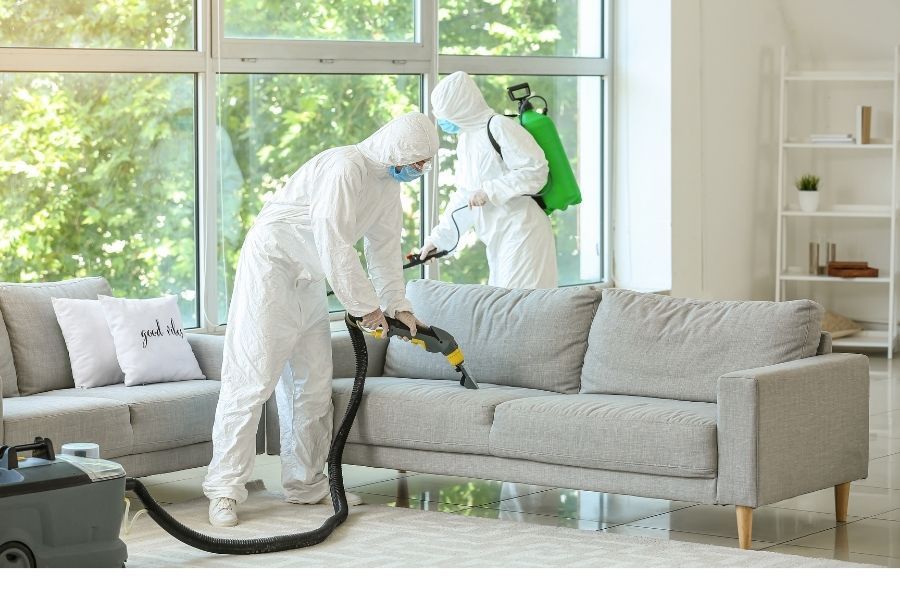
Then the removal begins. Technicians in full PPE (respirators, face shields, protective suits, double-layered gloves) remove all contaminated materials. Porous items that can't be decontaminated get removed and disposed of as regulated medical waste. Every remaining surface gets treated with EPA-registered disinfectants following CDC guidelines for regulated medical waste.
| Factor | DIY Cleanup | Licensed Professional |
|---|---|---|
| Disinfectants | Household bleach or general cleaners | EPA-registered, hospital-grade products |
| PPE | Rubber gloves, maybe a mask | Full suit, respirator, face shield, double gloves |
| Hidden Contamination | Surface-level only | Assessed with tools, removed completely |
| Waste Disposal | Regular trash | Regulated medical waste protocols |
| Cross-Contamination Risk | High | Minimized through containment |
| Compliance | None | OSHA, EPA, and state standards |
Common Situations That Require Professional Bloodborne Pathogen Cleanup
Most homeowners don't think about biohazard cleanup until they're facing one of these scenarios. Here's when calling a licensed professional isn't optional.
- Unattended deaths: Decomposition creates biohazardous conditions requiring specialized cleanup and deodorization.
- Serious accidents and injuries: Significant blood loss from a fall or tool mishap can contaminate multiple surfaces.
- Crime scenes: Once law enforcement releases a scene, cleanup responsibility falls to the property owner.
- Infectious disease contamination: Known communicable diseases require professional decontamination to protect other household members.
- Hoarding situations with biohazards: Accumulated waste, animal remains, and bodily fluids create layered contamination.
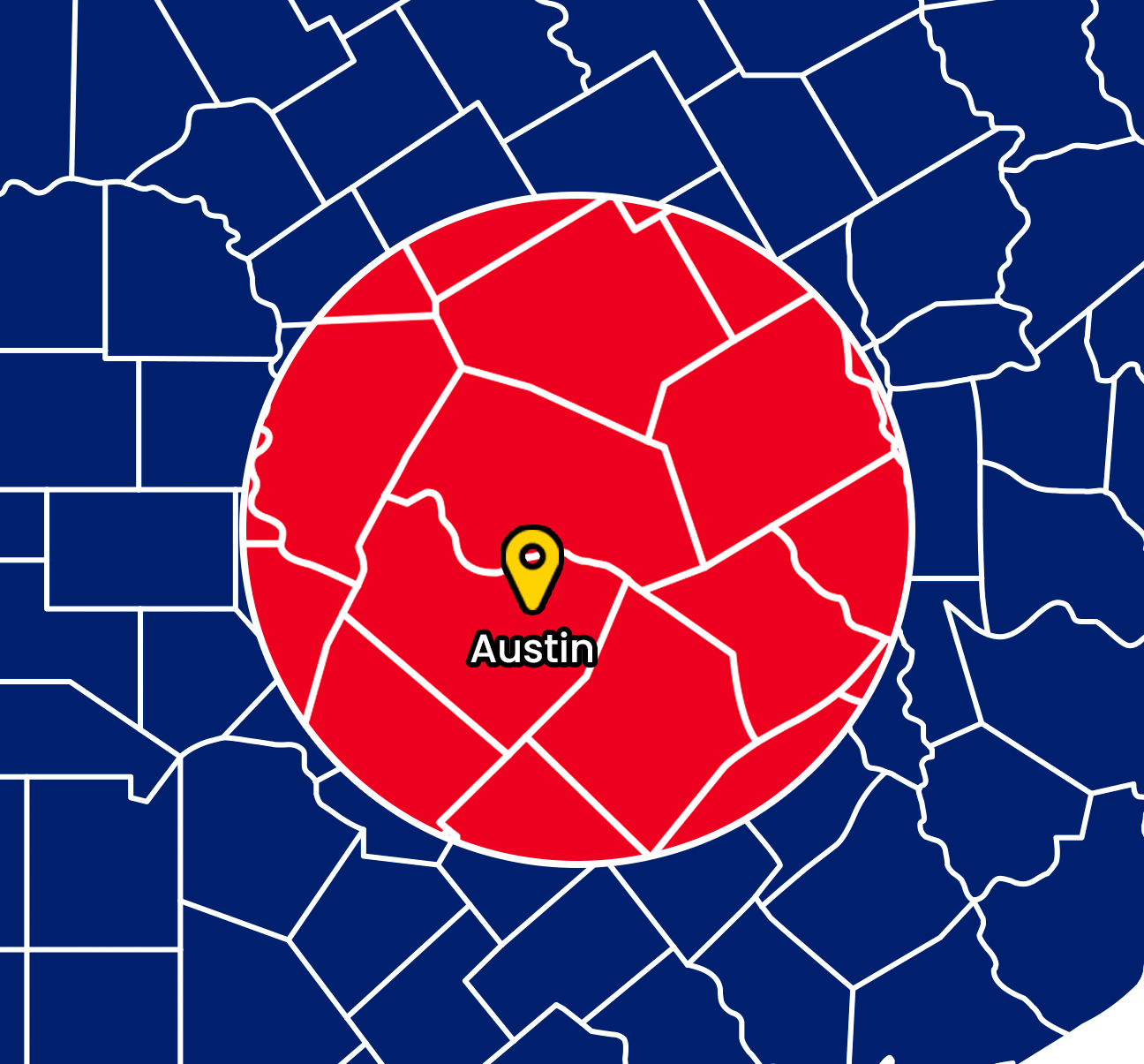
Homeowners across Round Rock, Pflugerville, Cedar Park, Georgetown, and the broader Williamson County area have dealt with these situations. There's no reason to feel embarrassed about calling for help. Our team at Texas Certified Restoration handles biohazard jobs throughout the Round Rock area and surrounding communities, and discretion is always part of the service.
Your Safety Comes First
Whether it's an accident, a trauma scene, or an unattended death, we respond quickly with the training and equipment to handle it properly.
Contact Our TeamHow to Choose a Licensed Biohazard Cleanup Company
Not every cleaning company can handle bloodborne pathogen situations. When vetting a provider, look for these qualifications.
IICRC certification is a good starting point. The Institute of Inspection, Cleaning and Restoration Certification sets industry standards for biohazard remediation. We've written about why IICRC certification matters when hiring a restoration contractor, and it applies just as much to biohazard work as water or fire damage.
OSHA compliance is non-negotiable. Any company doing this work must follow OSHA's standard (29 CFR 1910.1030), covering exposure control plans, employee training, and vaccination requirements. A legitimate company will know the standard inside and out.
Proper waste disposal partnerships are essential. Biohazardous materials can't go in a dumpster. Licensed companies work with regulated medical waste haulers who transport materials according to EPA and state guidelines.
24/7 availability and discretion round out the essentials. Biohazard situations don't happen on a schedule. Understanding how contamination categories work in restoration can also help you ask better questions when evaluating companies.
Frequently Asked Questions
Can I clean up a small amount of blood myself?
A minor cut or nosebleed on a non-porous surface can typically be handled with gloves and proper disinfectant. But if blood has soaked into carpet, wood, grout, or other porous materials, professional cleanup is the safer choice. The risk isn't about volume. It's about what might be in it.
How long does professional bloodborne pathogen cleanup take?
Most residential biohazard cleanups take between a few hours and a full day, depending on contamination extent and materials involved. Jobs involving multiple rooms or deep penetration into subflooring take longer.
Does homeowners insurance cover biohazard cleanup?
It depends on your policy and the circumstances. Some policies cover biohazard cleanup when it results from a covered event, while others exclude it. At Texas Certified Restoration, we work with insurance companies regularly and can help you understand your coverage options.
What happens to contaminated materials after removal?
All biohazardous materials are sealed in leak-proof, labeled containers and transported by licensed medical waste haulers to approved disposal facilities. The entire disposal chain is tracked and documented to comply with federal and state regulations.
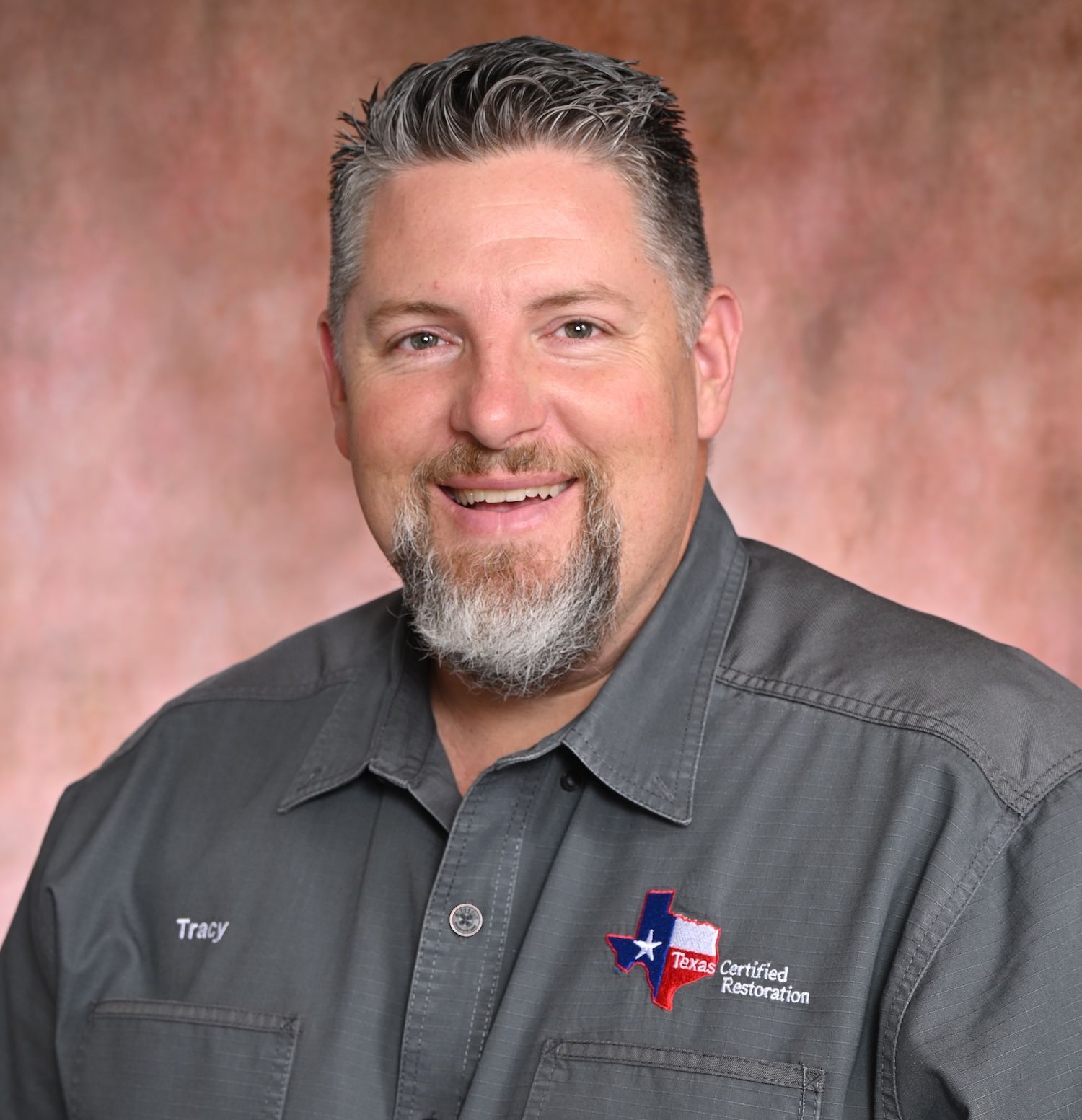
Tracy King
About The Author:
Tracy King, of Texas Certified Restoration, brings over 10 years of combined industry experience to the disaster restoration field. Since the founding of the company, Tracy has been committed to providing professional and dependable restoration services to homeowners and businesses throughout the Greater Austin area. With a passion for helping clients navigate the challenges of water damage, fire damage, and other disaster-related situations, Tracy leads a certified team dedicated to delivering quality service that helps families and businesses resume normal life after unexpected emergencies.
Read More: