
Sewage Backups: Causes, Health Risks, and Prevention Strategies
Updated on: July 29, 2025
Author: Tracy King
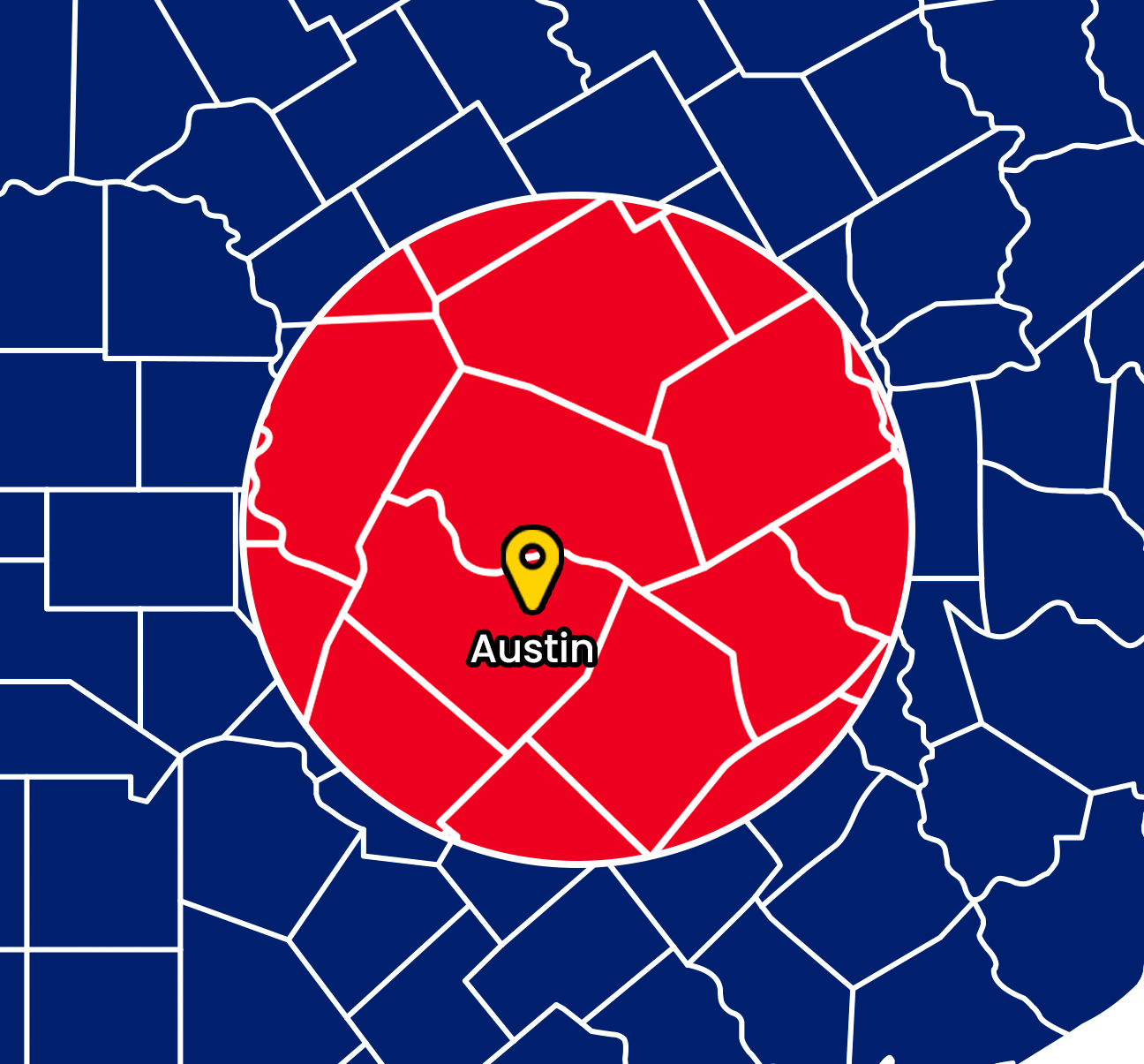
Nobody wants to deal with sewage backups, but they're one of the most serious water damage emergencies a homeowner can face. When sewage backs up into your home, it doesn't just create a mess - it brings extensive water damage and serious health hazards that require immediate sewage cleanup Austin services. We've seen too many families, all across Austin, North Austin, Round Rock, and elsewhere, struggle with the aftermath of these nasty incidents.
Common Causes of Sewage Backups
Understanding why sewage backups happen is the first step in preventing them. Here in Texas, we see several common culprits behind these disasters:
- Blocked Sewer Lines: These blockages develop from flushing inappropriate items down toilets, pouring grease down drains, or accumulated debris. When that main line gets clogged, sewage has nowhere to go but back up through your drains. Understanding the effects of a blocked drain can help you recognize problems early.
- Tree Root Infiltration: This is especially common in Austin's mature neighborhoods. Tree roots seek out water sources and will find even tiny cracks in sewer pipes. Once inside, these roots grow and expand, creating major blockages that completely stop sewage flow.
- Heavy Rain and Storm Overwhelm: When municipal sewer systems get overwhelmed by excessive rainwater, sewage backups are more common than usual. Sewage can back up through floor drains and lower-level fixtures, affecting entire neighborhoods even if your personal plumbing is perfect.
- Aging Infrastructure: In many Austin-area homes, this includes clay or cast iron sewer pipes that deteriorate over time, cracking and developing corrosion that leads to blockages. Similar toplumbing-related water damage, these infrastructure failures often happen without warning.
Health Risks of Sewage Backups in Austin Homes
Sewage backups aren't just gross - they're genuinely dangerous to your health and your family's wellbeing. Raw sewage contains harmful bacteria, viruses, and parasites that can cause severe illness.
- Bacterial Infections: E. coli, Salmonella, and Campylobacter can cause serious gastrointestinal infections, skin infections, and respiratory problems. Children and elderly family members are especially vulnerable. The CDC provides detailed information about sewage-related health risks that every homeowner should understand.
- Viral Contamination: This includes Hepatitis A and gastroenteritis-causing viruses that can result in severe illness requiring medical attention. These viruses survive on surfaces for extended periods.
- Parasitic Threats: Giardia and Cryptosporidium are common in sewage water and can cause persistent digestive issues and long-term health complications.
- Mold Growth: Water is one of the most common causes of mold in homes, and mold spreads rapidly after sewage backups. The combination of moisture and organic matter creates perfect conditions for mold development within 24-48 hours, adding respiratory problems and allergic reactions to your health concerns.
Prevention and Response Tips
What should I do immediately if I have a sewage backup? Here’s a breakdown of the most important strategies and steps for sewage backups:
Prevention Strategies:
- Never flush anything other than toilet paper and human waste
- Avoid putting grease, food scraps, or "flushable" wipes down drains
- Have your main sewer line inspected every few years
- Consider installing backflow prevention valves on floor drains
- Manage tree roots near sewer lines with regular inspections
Immediate Response Steps:
- Ensure safety first - don't enter contaminated areas without protection
- Keep children and pets away completely
- Stop the water source if possible
- Document damage for insurance (safely)
- Contact professionals immediately
Sewage cleanup requires specialized protocols and equipment. Learn about the cost of sewage cleanup in Austin, TX, to understand the investment in professional services versus the risks of DIY attempts.
Why Texas Certified Restoration is Your Best Choice
When sewage disasters strike your Round Rock or Austin area home, you need a restoration team with the expertise and equipment to handle the job safely. Our team at Texas Certified Restoration brings over 10 years of combined experience in handling challenging sewage cleanup situations.
We offer 24/7 emergency response services to get our certified professionals to your property quickly. Our comprehensive process includes safe water extraction, thorough sanitization, proper disposal of contaminated materials, and complete restoration of affected areas.
We follow strict emergency water damage cleanup steps and know how to get your space back to a clean and safe condition fast.
Take Action to Protect Your Home and Family
If you're currently dealing with a sewage backup, don't wait and let the contamination spread around. Our experienced team at Texas Certified Restoration is here to help you through every step of the process.
Contact us immediately at (254) 312-2692 for emergency sewage cleanup services, or
fill out this form for a free estimate if you're planning preventive measures.

Tracy King
About The Author:
Tracy King, of Texas Certified Restoration, brings over 10 years of combined industry experience to the disaster restoration field. Since the founding of the company, Tracy has been committed to providing professional and dependable restoration services to homeowners and businesses throughout the Greater Austin area. With a passion for helping clients navigate the challenges of water damage, fire damage, and other disaster-related situations, Tracy leads a certified team dedicated to delivering quality service that helps families and businesses resume normal life after unexpected emergencies.
Read More: