
Flood vs Homeowners Insurance: Understanding Coverage Differences
Updated on: June 9, 2026
Author: Tracy King
If water has ever poured into your home and your first thought was "am I even covered for this?", you're not alone. The difference between flood insurance and a standard homeowners policy is one of the most misunderstood parts of owning a home, and in Austin where weather can turn fast, that confusion gets expensive.
The short version: homeowners insurance covers sudden water damage that starts inside your home. Flood damage coverage applies when water enters from outside, typically from storms, rising water, or heavy rain runoff. Those definitions matter a lot when you're staring at soaked drywall trying to figure out who to call.
At Texas Certified Restoration, we work with homeowners after all kinds of water events, and insurance questions come up constantly. This guide breaks down both policies so you actually understand what you're paying for, and what you're not.
Not sure if your damage is covered? We can help.
Our team works with insurance adjusters regularly and can help document your damage from day one.
Contact Our TeamThe Core Difference Between These Two Policies
The key question is simple: where did the water come from? Homeowners insurance handles internal water events, things like a pipe burst, appliance failure, or a roof breach from wind or hail. Flood insurance handles external water events, meaning water that originates outside your home and works its way in.
Most standard homeowners policies explicitly exclude flooding. It's not a gray area buried in fine print. It's a direct exclusion. If street runoff seeps through your slab after a storm, that's a flood claim, not a homeowners claim, and you need a separate policy to cover it.
What Does Homeowners Insurance Actually Cover?
Homeowners insurance covers sudden and accidental water damage originating inside the home. "Sudden" and "accidental" are the words that matter. Slow leaks, deferred maintenance, and damage that accumulated over months without being addressed don't qualify.
Scenarios Homeowners Insurance Usually Covers
- A pipe bursts suddenly during an occasional Central Texas freeze event
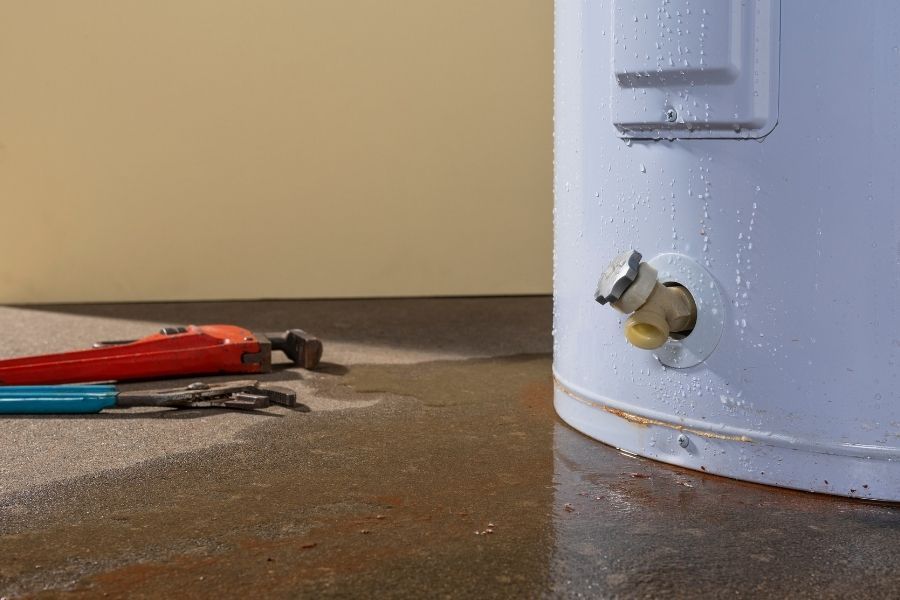
- Your water heater fails and floods the utility area
- A washing machine or dishwasher supply line gives out unexpectedly
- An AC condensate drain overflows and damages walls or ceilings
- A roof is damaged by wind or hail and rain enters through that opening
What It Won't Cover
- Flooding from storms, overflowing creeks, or street runoff
- Gradual leaks that went unaddressed over time
- Seepage through your foundation or slab
- Sewer backups (often requires a separate policy rider)
The gradual damage exclusion catches people off guard most. A slow drip under a sink that causes damage over months? Most carriers will deny that claim. For a deeper look at how homeowners claims work, our post on whether homeowners insurance covers water damage walks through the process in detail.
What Does Flood Insurance Cover?
Flood insurance is a completely separate policy. Most homeowners get it through the National Flood Insurance Program (NFIP). FloodSmart.gov is the official NFIP resource with flood zone maps and coverage details worth checking.
An NFIP policy splits into two parts: building coverage and contents coverage. Building coverage handles the structure, including your foundation, walls, floors, and electrical systems. Contents coverage handles personal belongings but must be purchased separately, which surprises a lot of people at claim time.
One critical detail: most flood policies have a 30-day waiting period. If you're in Pflugerville, Georgetown, Round Rock, or anywhere in Williamson County, buying well ahead of storm season is the only way it actually works for you.
Side-by-Side Coverage Comparison
| Scenario | Homeowners | Flood Insurance |
|---|---|---|
| Burst pipe from a freeze | Yes | No |
| Storm flooding / rising water from outside | No | Yes |
| Appliance leak (sudden failure) | Yes | No |
| Flash flood from heavy rainfall | No | Yes |
| Wind-driven rain through damaged roof | Often Yes | No |
| Sewer backup | Usually No* | Usually No* |
*Sewer backup coverage can sometimes be added as a rider to a homeowners policy. Ask your agent.
Why This Matters So Much in Central Texas
Central Texas sits in what flood experts call Flash Flood Alley, one of the highest flash flood risk regions in the country. Clay soils, steep terrain, and intense storms create conditions where water moves fast. Austin, Round Rock, Georgetown, Cedar Park, and Leander all see flooding from hurricane remnants, isolated thunderstorms, and stalled spring systems.
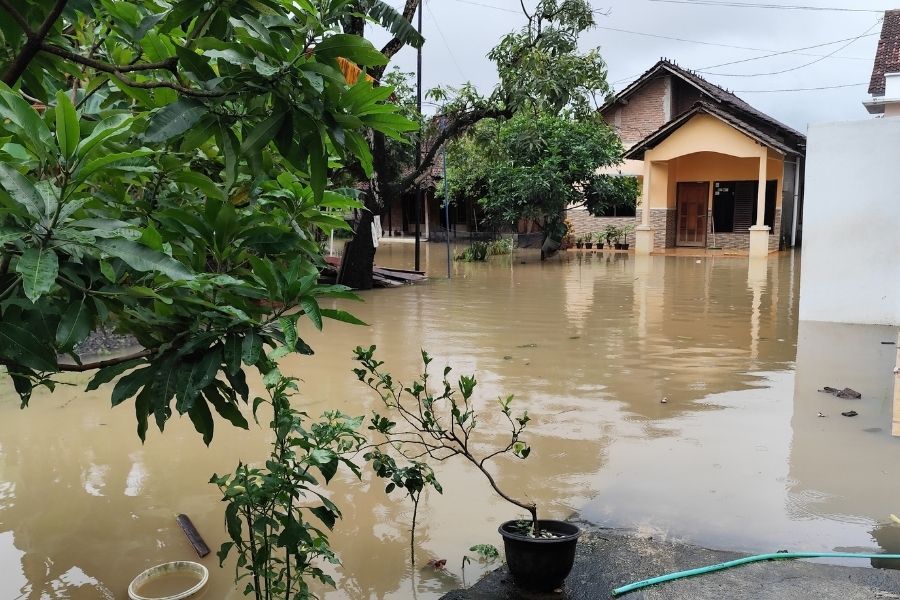
In every one of those scenarios, the water originates outside the home, placing it in flood insurance territory. Because homes here sit on slab foundations with no raised structure or basement buffer, water finds its way inside quickly. The Round Rock and greater Austin area flooding risk is real, and your coverage should reflect that.
Coverage Gaps That Catch Homeowners Off Guard
Even homeowners who carry both policies run into gaps they didn't expect.
Sewer backup damage falls outside most homeowners policies and is typically excluded from NFIP flood coverage too, unless flooding directly caused it. A separate endorsement is usually the only way to cover it.
Contents coverage under flood insurance is not automatic. NFIP building and contents coverage are sold separately. You can hold a policy that protects your structure while all your belongings have zero protection. Many homeowners only discover this at claim time.
Standard NFIP flood policies also don't include loss of use coverage. If flooding forces you out for weeks during restoration, hotel and living expenses aren't covered. Homeowners insurance typically includes this; flood insurance doesn't. Our guide on water damage insurance basics for Texas homeowners covers what a homeowners policy actually handles in more depth.
Dealing with water damage and not sure where to start?
Texas Certified Restoration is IICRC-certified and available 24/7. We work with insurance adjusters and can document your damage from day one.
See Our Storm Damage ServicesWhether you're dealing with a burst pipe in Cedar Park or storm flooding in Hutto, document everything before cleanup starts. Photos, video, timestamps. Our IICRC-certified team at Texas Certified Restoration responds 24/7 and can help with documentation, claims coordination, and water damage restoration from start to finish.
Frequently Asked Questions
Does homeowners insurance cover storm flooding?
No. Standard homeowners insurance excludes flooding that originates outside the home, including storm surge, overflowing creeks, and surface water runoff. A separate flood insurance policy is required for those events.
Is flood insurance required in the Austin area?
Flood insurance is required by mortgage lenders for homes in FEMA-designated high-risk flood zones. If your home is outside a high-risk zone, it's not mandatory, but given Central Texas flooding patterns, it's often worth having. Check your flood zone status at FEMA's flood map service center.
What if one storm causes both a roof breach and outside flooding?
Each policy handles the portion matching its definition. Rain entering through a wind-damaged roof may fall under homeowners. Water rising from outside and entering your foundation is a flood claim. Having a restoration company document each separately can support both claims with the same adjuster visit.
How long before a new flood policy takes effect?
Most NFIP flood policies have a 30-day waiting period from purchase. You can't buy a policy in response to an incoming storm and expect it to apply. Buying well before storm season is the only way to have coverage when you need it.

Tracy King
About The Author:
Tracy King, of Texas Certified Restoration, brings over 10 years of combined industry experience to the disaster restoration field. Since the founding of the company, Tracy has been committed to providing professional and dependable restoration services to homeowners and businesses throughout the Greater Austin area. With a passion for helping clients navigate the challenges of water damage, fire damage, and other disaster-related situations, Tracy leads a certified team dedicated to delivering quality service that helps families and businesses resume normal life after unexpected emergencies.
Read More: