
Hurricane Season Home Protection: Pflugerville and Greater Austin Water Damage Prevention
Updated on: July 21, 2026
Author: Tracy King
Hurricane season runs June through November, and while Central Texas isn't on the Gulf Coast, our area takes a hit every year. Pflugerville, Round Rock, Georgetown, and Cedar Park all know what it's like to watch a tropical system roll inland and flood a house by morning. At Texas Certified Restoration, our IICRC-certified team handles storm damage restoration across Williamson and Travis counties throughout storm season, and the pattern is consistent: most of the damage is preventable.
This guide covers what to do before a storm, what to watch for after, and when to call professionals.
Storm season is unpredictable. Your preparation doesn't have to be.
Our team is available 24/7 for emergency water damage response across Greater Austin.
Contact Our TeamWhy Hurricane Season Hits Central Texas Harder Than You Think
Hurricanes don't stay on the coast. They travel inland. A disorganized tropical system dropping six to eight inches over 36 hours will flood homes in Pflugerville just as effectively as a weakened Category 1 hurricane.
Clay-heavy soil throughout Williamson and Travis counties doesn't absorb water quickly. Homes in Round Rock, Hutto, Manor, and Leander sit on slab foundations with no basement buffer. Water enters at ground level through any gap it finds.
According to the National Hurricane Center, inland flooding from tropical systems is the leading cause of storm-related deaths in the U.S. Much of the damage hits homeowners who never thought they were at flood risk. Hurricane season is Central Texas's season too.
Central Texas Storm Risk at a Glance
| Factor | Impact |
|---|---|
| 6-month season | June 1 through November 30 |
| Clay-heavy soil | Fast runoff, limited absorption |
| Slab foundations | No basement buffer; water enters at grade |
| 24 to 48 hours | Window before mold can begin growing |
Hurricane Season Home Protection Checklist for Pflugerville and Greater Austin
Preparation before a storm separates minor inconvenience from major water damage. This checklist is built for Central Texas homes. Some items take 10 minutes. Some take an afternoon. All worth doing before the first named storm appears on the radar.
Exterior
- Clean gutters and downspouts before season starts. Clogs overflow directly against your foundation.
- Extend downspout discharge at least 6 feet from the house. Dumping water at the base of your foundation is a slow-motion disaster.
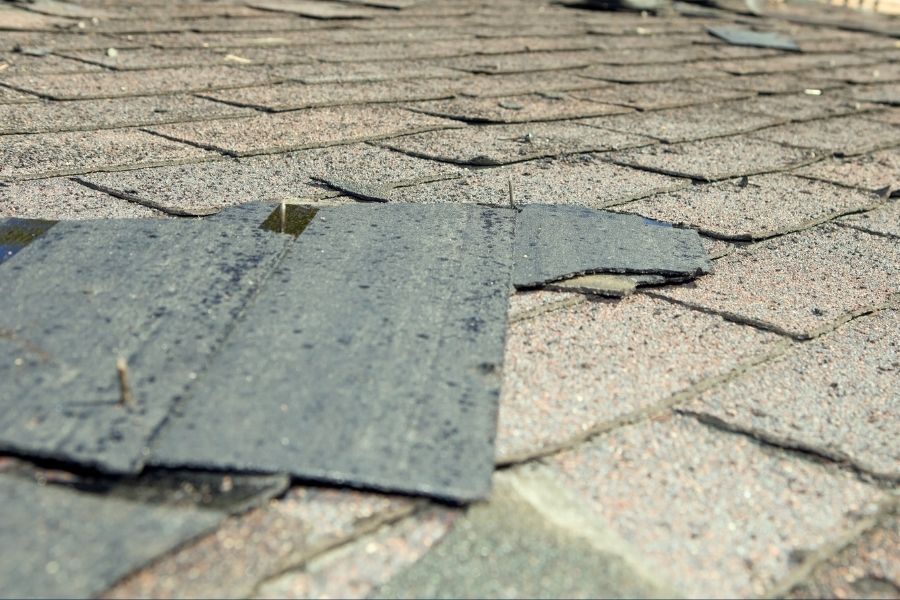
- Inspect your roof. Missing shingles and deteriorated flashing are the top cause of ceiling damage in heavy rain.
- Re-caulk windows, doors, and utility penetrations. Cracked caulk turns into a water entry point the moment rain drives sideways.
- Trim overhanging branches. Wind-driven limbs through a roof or window create immediate water intrusion.
Interior
- Locate your main water shutoff valve and confirm it turns smoothly. You'll be glad you did.
- Move valuables off the floor. Water goes to the lowest point first.
- Check weather stripping on exterior doors. Worn stripping lets water under a closed door in horizontal rain.
- Document your belongings on video before season starts. It makes insurance claims much faster.
Our water damage prevention guide covers additional tips that apply year-round.
The 5 Most Common Water Entry Points in Austin-Area Homes
After years responding to storm damage across Pflugerville, Georgetown, Cedar Park, and Round Rock, we see the same vulnerabilities. Here's where water gets in.
1. The Roof
Missing shingles, deteriorated flashing, and failing sealant around skylights create paths for water fast. We've seen storm-related roof leak damage across Greater Austin where homeowners had no idea anything was wrong until a ceiling stain appeared days later.
2. Windows and Doors
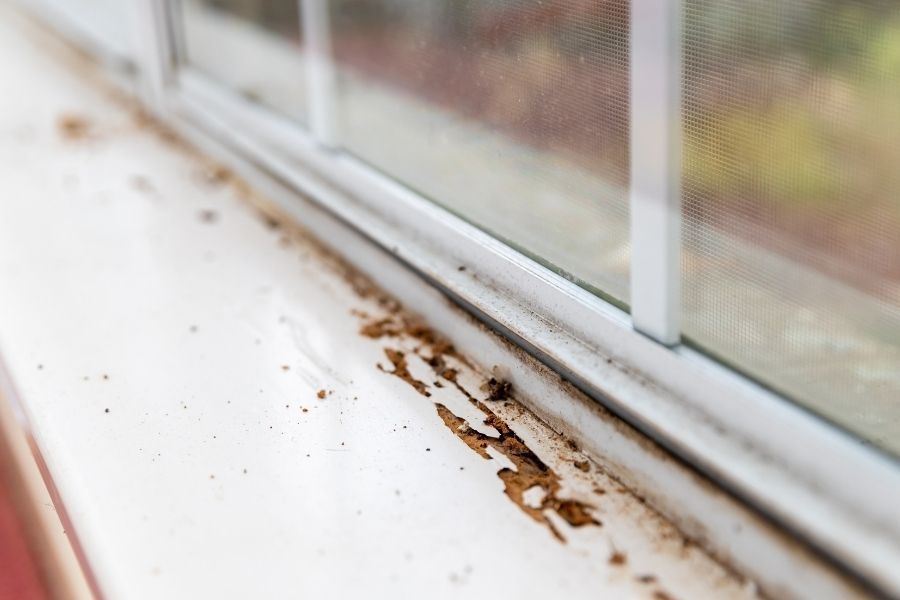
Horizontal rain at 40-50 mph finds micro-gaps in aging caulk and flattened weather stripping. South and southeast-facing openings are most exposed.
3. Foundation Penetrations
Clay soil expansion and contraction causes hairline cracks over time. Plumbing and cable entry points are common water paths when not properly sealed.
4. HVAC Drain Lines
Clogged AC drain lines overflow into the air handler and push water into ceilings or floors. Systems run harder during storms, which makes this happen more often than you'd expect.
5. Garage Doors
Standard garage doors aren't waterproof. Rain blows underneath and through weatherstripping seams. Get anything stored at floor level up onto shelving before storm season.
What to Do After a Storm Floods Your Home
How you respond in the first two hours after a storm flood matters. Quick action limits damage. Waiting turns a manageable job into a major project.
- Don't enter flooded areas until power is confirmed off. Turn off the breaker before walking in.
- Document everything before touching it. Photos and video are essential for your insurance claim.
- Call your insurance company immediately. File early. Getting in the queue faster means faster resolution.
- Call a professional restoration team right away. The sooner extraction equipment arrives, the less moisture penetrates flooring, drywall, and subfloor materials.
- Don't rely on household fans alone. They don't pull moisture from inside walls and subfloors.
Our breakdown of flash flood recovery and full restoration covers the professional process from first call to clearance. Also worth reviewing: the warning signs of water damage that are easy to miss.
Storm damage doesn't wait. Neither do we.
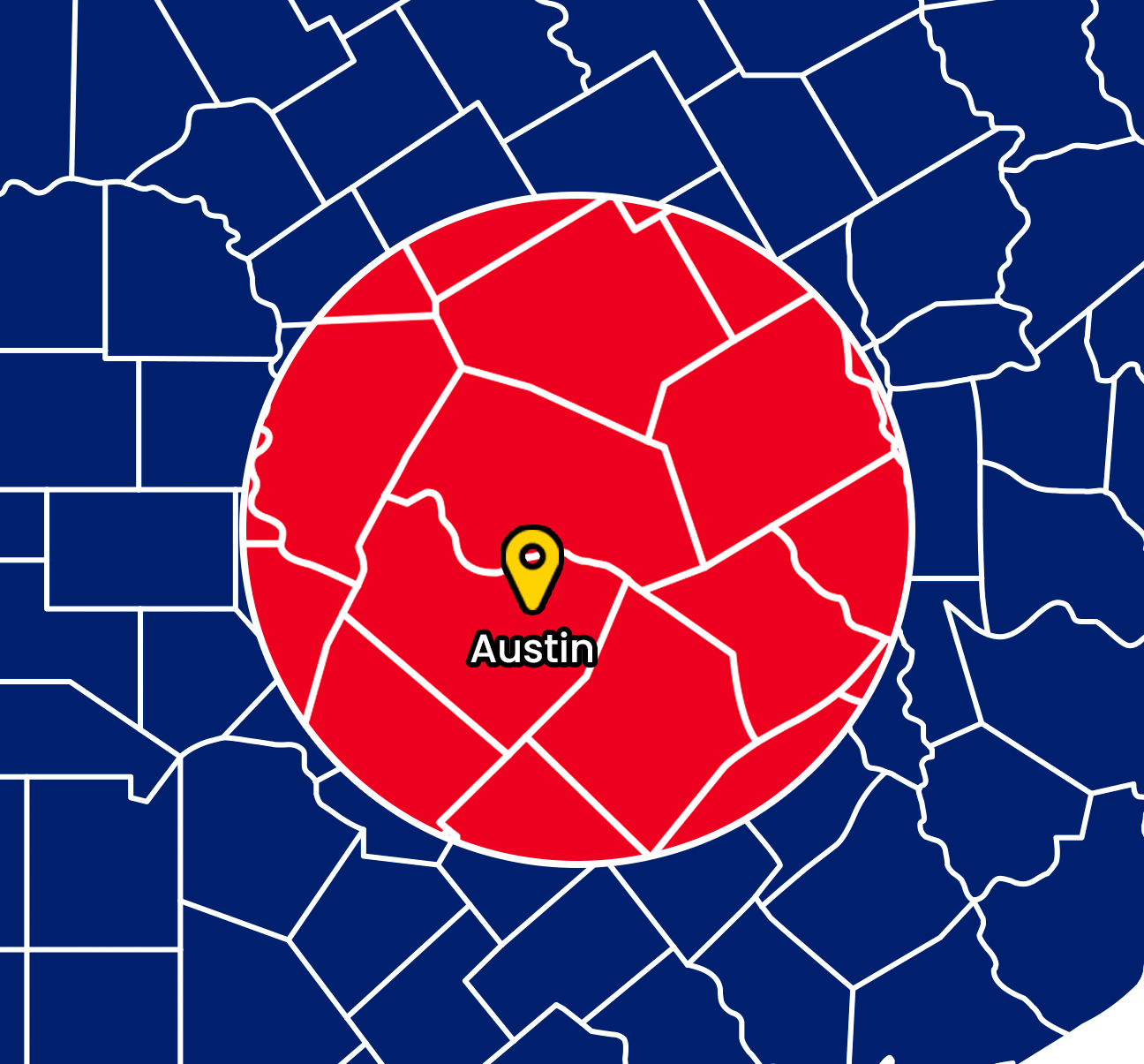
Texas Certified Restoration provides 24/7 emergency response to Pflugerville, Round Rock, Georgetown, Cedar Park, Leander, Hutto, Manor, and surrounding communities.
See Our Flood Damage Restoration ServicesA Quick Word on Flood Insurance
Standard homeowners insurance does not cover flooding that enters your home from outside at ground level. This is one of the most misunderstood facts about home insurance, and it costs Central Texas homeowners real money every storm season.
Flood coverage comes from the National Flood Insurance Program or private flood carriers. FloodSmart.gov is where you can check your flood zone and explore options. Key things to know:
- There's typically a 30-day waiting period before a new flood policy activates. Don't wait until a storm is in the Gulf.
- Homes outside designated flood zones can purchase coverage. Many claims come from those properties.
- Internal water damage (burst pipe, appliance leak) is handled differently from ground-level flooding. Review your policy with your agent before season starts.
Frequently Asked Questions
Do Pflugerville and Round Rock homes need to prepare for hurricanes?
Yes. Tropical systems regularly push inland from Gulf landfalls and bring heavy rainfall to Williamson and Travis counties. Slab foundations and clay-heavy soil make communities like Pflugerville, Round Rock, Georgetown, and Cedar Park especially vulnerable to rapid water entry.
How quickly should I call a restoration company after storm flooding?
Immediately. Mold can begin developing in wet materials within 24 to 48 hours. Professional extraction equipment removes moisture from walls and subfloors far more effectively than household fans. Texas Certified Restoration is available 24/7.
Does homeowners insurance cover storm flooding in Texas?
Standard homeowners insurance covers storm damage from wind or rain entering through a damaged roof or window, but not flooding that enters from outside at ground level. That requires a separate flood insurance policy through the NFIP or a private carrier.
What are the biggest water damage risks for slab-foundation homes during heavy rain?
No basement buffer means water enters at ground level through door thresholds, worn weather stripping, and cracked foundation penetrations. Damaged roofs and clogged HVAC drain lines are also common culprits across Greater Austin.

Tracy King
About The Author:
Tracy King, of Texas Certified Restoration, brings over 10 years of combined industry experience to the disaster restoration field. Since the founding of the company, Tracy has been committed to providing professional and dependable restoration services to homeowners and businesses throughout the Greater Austin area. With a passion for helping clients navigate the challenges of water damage, fire damage, and other disaster-related situations, Tracy leads a certified team dedicated to delivering quality service that helps families and businesses resume normal life after unexpected emergencies.
Read More: