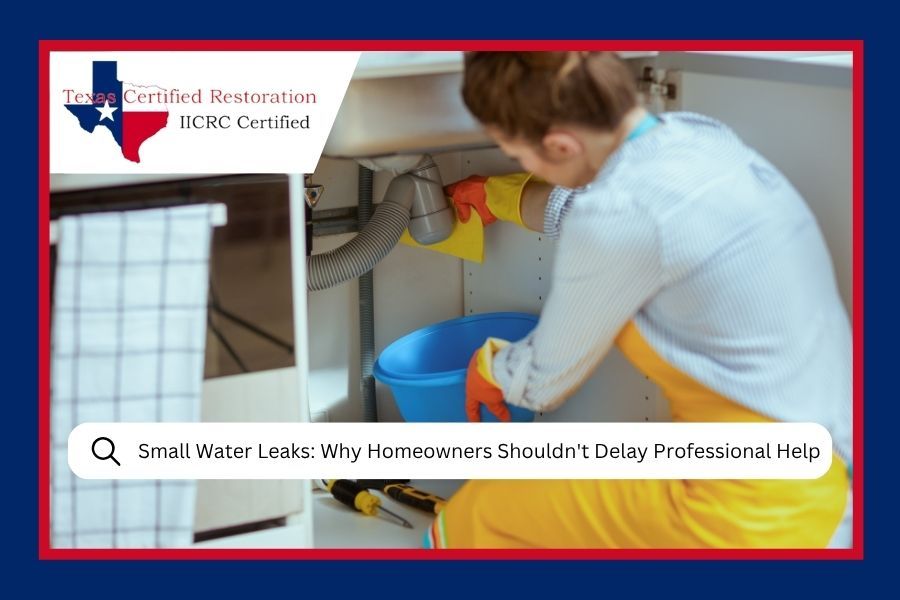
Small Water Leaks: Why Homeowners Shouldn't Delay Professional Help
Updated on: June 16, 2026
Author: Tracy King
It starts with a small drip. Maybe you noticed a faint water stain on the ceiling, or the cabinet under your sink feels a little damp. You think, "I'll get to that this weekend." Then the weekend passes. And then another one does.
Small water leaks don't stay small. At Texas Certified Restoration, our team handles water damage restoration calls every week that started exactly this way. We're IICRC-certified with over a decade of combined experience, and we've seen firsthand how fast a minor issue becomes a costly one.
This post covers why delays are dangerous, what's happening inside your walls while you wait, and when it's time to stop guessing and call a pro.
Why Small Leaks Are Bigger Trouble Than They Look
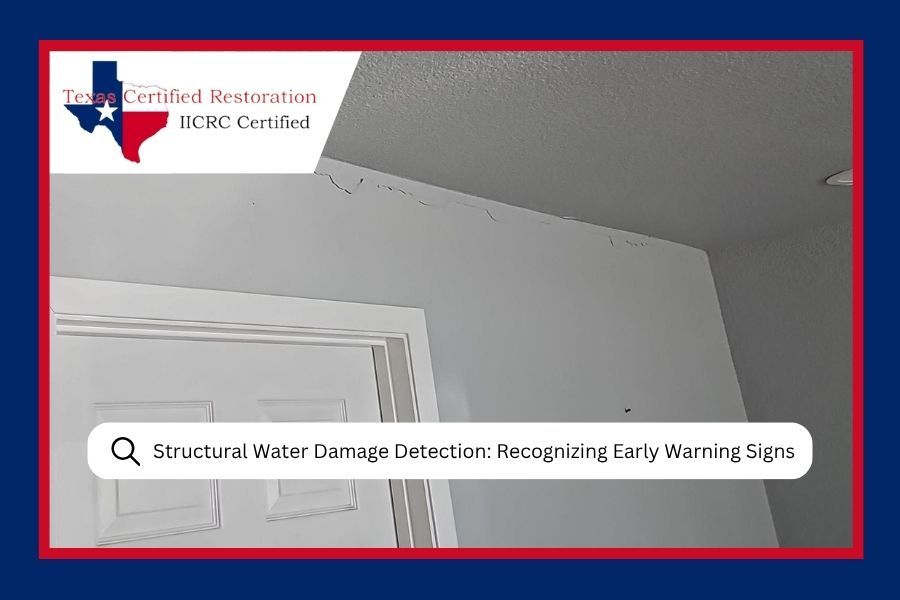
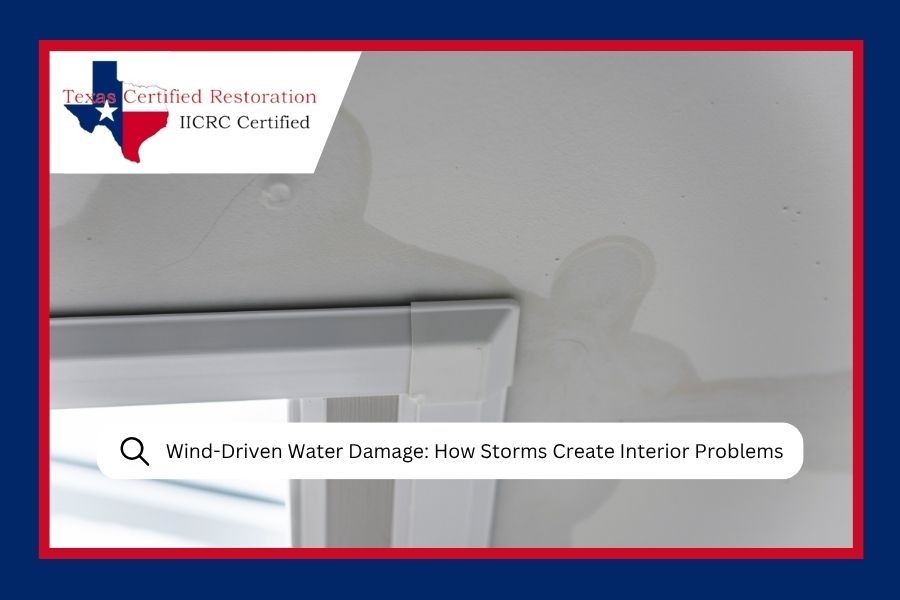
A slow drip or faint moisture stain doesn't look scary. That's the problem. Water moves in ways that aren't visible, soaking into drywall, insulation, and wood framing long before you see a drop on the floor. By the time a stain appears, the damage behind it is usually already done.
Most homes in the Greater Austin area sit on slab foundations, so water collecting at the base of walls has nowhere obvious to drain. Central Texas clay soils also shift with moisture changes, adding stress to plumbing over time. Trapped moisture here doesn't dry out on its own.
The Hidden Cost Timeline of an Untreated Leak
| Time Since Leak Starts | What's Happening |
|---|---|
| Within hours | Drywall absorbs moisture; wood begins to swell |
| 24 to 48 hours | Mold spores can begin to germinate |
| 1 week | Mold colonies form; flooring and paint buckle |
| 1 month or more | Structural damage possible; significant remediation needed |
What Happens When You Wait
Water doesn't pause while you think things over. It migrates through building materials at a steady pace, and the longer it sits, the deeper it goes.
Mold Can Start Growing Faster Than You'd Think
According to the EPA's guide on mold and moisture in homes, mold can begin developing on wet building materials within 24 to 48 hours. Not a week. Two days.
Once mold takes hold in drywall or insulation, it can't simply be wiped away. It requires professional mold remediation to address properly, which is a much larger process than fixing the original leak would have been. Our team sees this play out regularly, and early action almost always keeps things far simpler.
Structural Materials Absorb Moisture Quickly
Drywall, insulation, and wood framing aren't designed to stay wet. They swell, weaken, and deteriorate when they do. In slab-foundation homes like those across Cedar Park, Georgetown, and Leander, a slow pipe leak can go undetected for months before it surfaces, and by then the damage is widespread.
Think You Might Have a Leak? Don't Wait on It.
Our IICRC-certified team responds 24/7 across the Greater Austin area. The sooner we assess it, the simpler the fix.
Contact Our TeamWhere Small Leaks Usually Hide in Austin-Area Homes
Most small leaks come from a handful of predictable sources. Knowing where to look can help you catch problems before they have time to spread.
- Water heater connections: Fittings and supply lines are a common source of slow drips, especially as the unit ages. We've responded to water heater-related calls in Cedar Park and Round Rock regularly.
- AC condensate lines: A clogged or disconnected condensate drain line sends a slow, steady stream of water into walls or under flooring with no obvious sign.
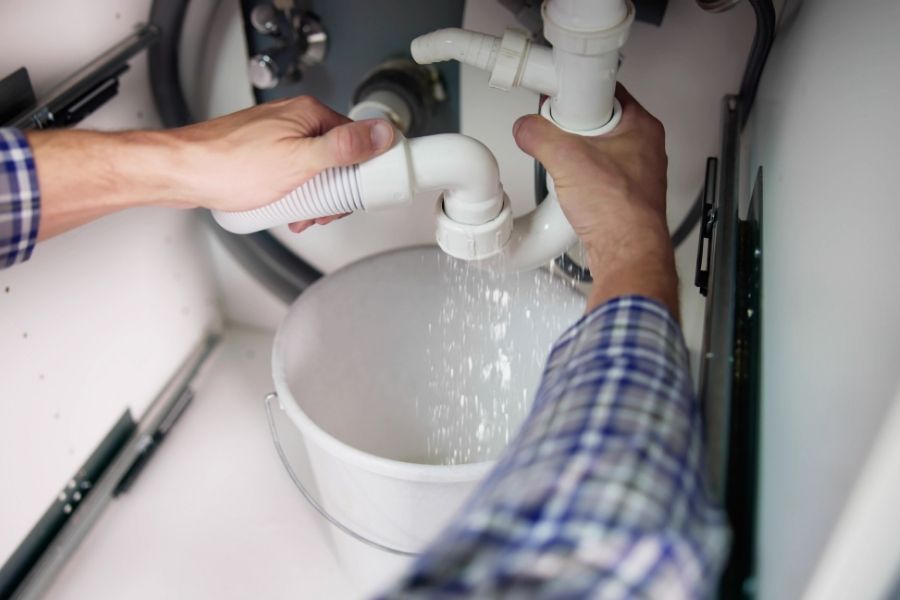
- Under-sink supply lines: These flexible lines have a lifespan. When they fail, they can drip quietly for months before anyone notices.
- Toilet connections: The supply line and wax ring seal are surprisingly common culprits in slow moisture buildup around bathroom floors.
- Roof penetrations and flashing: Compromised flashing around vents or chimneys can allow small amounts of water in with every rain event, slowly saturating ceiling framing.
- Appliance connections: Refrigerator ice maker lines and washing machine hoses are frequent offenders across Pflugerville, Hutto, and Manor.
DIY vs. Calling a Pro: What's the Right Call?
There are things homeowners can do on their own, and things that need professional equipment. Knowing the difference saves you from spending money in the wrong places.
What You Can Do Right Now
Shut off the water to the affected area if you can find the valve. Move belongings away from the wet zone and put towels down. Knowing what to look for helps, too. Our post on warning signs of water damage covers the red flags that often get overlooked.
Why DIY Drying Often Falls Short
A household fan can't pull moisture from drywall cavities or wall insulation. Without specialized equipment, surfaces feel dry while moisture lingers inside, creating the exact conditions mold needs. Professional restoration teams use industrial dehumidifiers and air movers that dry structural materials from the inside out, verified with moisture meters.
If you're seeing mold growth, musty odors, or soft and buckling flooring, call a professional. Our post on plumbing-related water damage covers what to expect when pipes or fixtures are the source.
What a Professional Restoration Team Actually Does
Our process at Texas Certified Restoration follows IICRC S500 water damage restoration standards, the industry benchmark for proper assessment and drying.
Assessment and Moisture Mapping
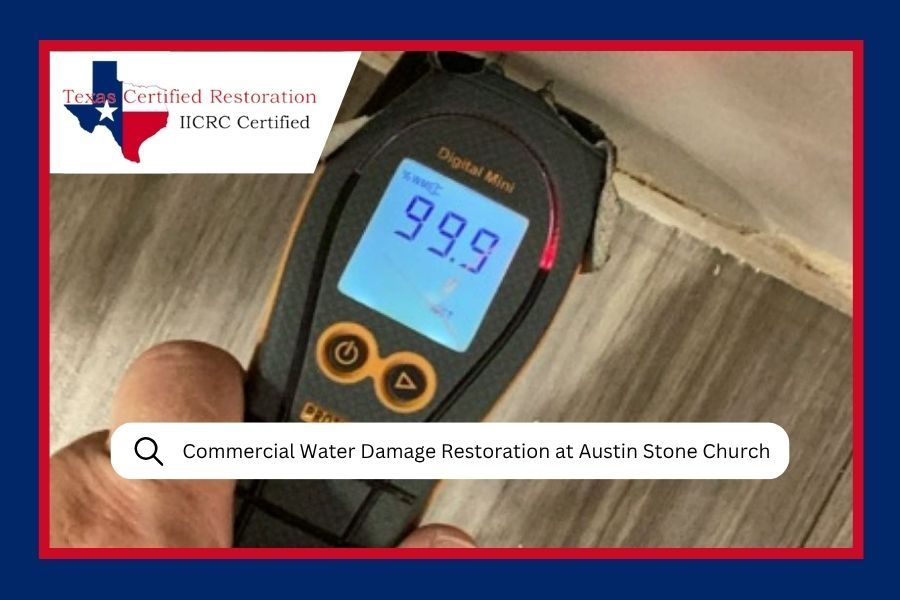
We use professional moisture meters and thermal imaging to identify the full extent of moisture intrusion before drying begins. Water travels, so a small stain may connect to moisture several rooms away. Mapping it first means we're not guessing.
Extraction and Structural Drying
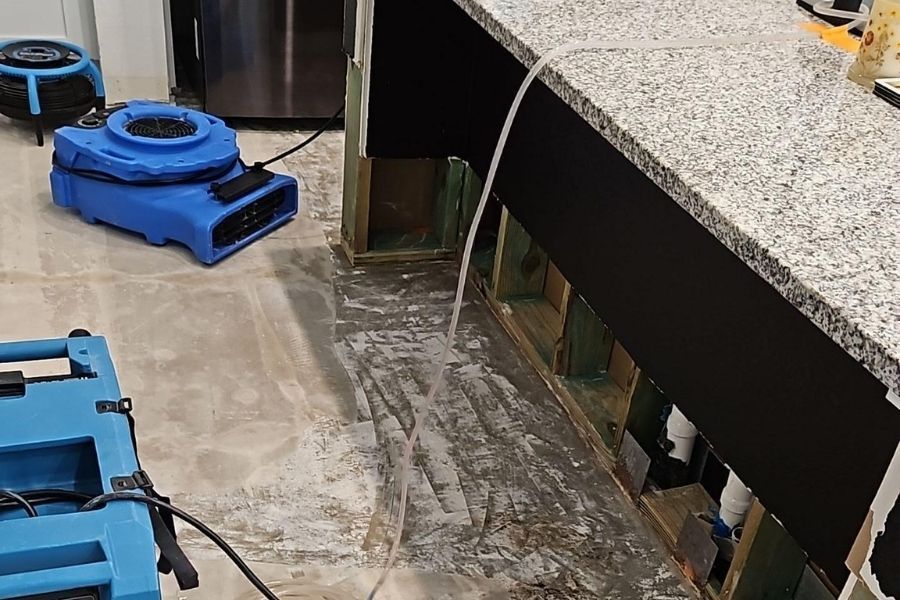
If there's standing water, we extract it first. Then we set up industrial air movers and dehumidifiers calibrated to your home's conditions, monitoring moisture readings daily and adjusting equipment as drying progresses. It takes several days and requires active management throughout.
Documentation for Your Insurance Claim
We document everything throughout the job, from moisture readings to equipment logs to photos. This supports your insurance claim and gives you a clear record. Having thorough documentation makes a real difference in how smoothly a claim is processed.
Serving Greater Austin, Round Rock, Cedar Park, Georgetown, and Beyond
At Texas Certified Restoration, we offer 24/7 emergency response and handle residential water damage restoration with full IICRC certification. Whether you're in Pflugerville, Leander, or right here in Round Rock, we're ready.
See Our Round Rock Service AreaFrequently Asked Questions
How quickly does mold start growing after a small water leak?
Mold can begin developing on wet building materials within 24 to 48 hours. Central Texas humidity can make that timeline even shorter. This is one of the main reasons prompt action matters so much, even with what looks like a small leak.
Can I dry out a small water leak myself with fans and towels?
Fans and towels handle surface moisture but won't reach water absorbed into drywall, insulation, or subflooring. If structural materials were affected, professional drying equipment is needed. Surfaces can feel dry while moisture lingers inside, creating conditions for mold growth and ongoing damage.
What are the most common sources of hidden water leaks in Austin-area homes?
The most frequent culprits are AC condensate drain lines, water heater connections, under-sink supply lines, and toilet base seals. On slab foundations, leaks near the base of walls often go unnoticed for a long time before any visible sign appears.
Tracy King
About The Author:
Tracy King, of Texas Certified Restoration, brings over 10 years of combined industry experience to the disaster restoration field. Since the founding of the company, Tracy has been committed to providing professional and dependable restoration services to homeowners and businesses throughout the Greater Austin area. With a passion for helping clients navigate the challenges of water damage, fire damage, and other disaster-related situations, Tracy leads a certified team dedicated to delivering quality service that helps families and businesses resume normal life after unexpected emergencies.
Read More: