
Multi-Room Mold Remediation in Pflugerville, TX: Full Demo, Treatment, and Cleanup
Updated on: June 23, 2026
Author: Tracy King
When mold takes over multiple rooms of a home, it's not something you can mask with paint or ignore until later. The homeowner who called us for this Pflugerville, TX job had already noticed the signs: musty odors, discoloration on walls, and the creeping realization that something was seriously wrong inside their home. Our team at Texas Certified Restoration was called in to handle a full Pflugerville mold remediation that touched nearly every area of the house. The more we looked, the more we found.
Dealing with mold in your home?
Don't wait. Mold spreads fast, and the longer it sits, the bigger the project becomes. We're available 24/7.
Contact Our TeamWhat We Found When We Arrived
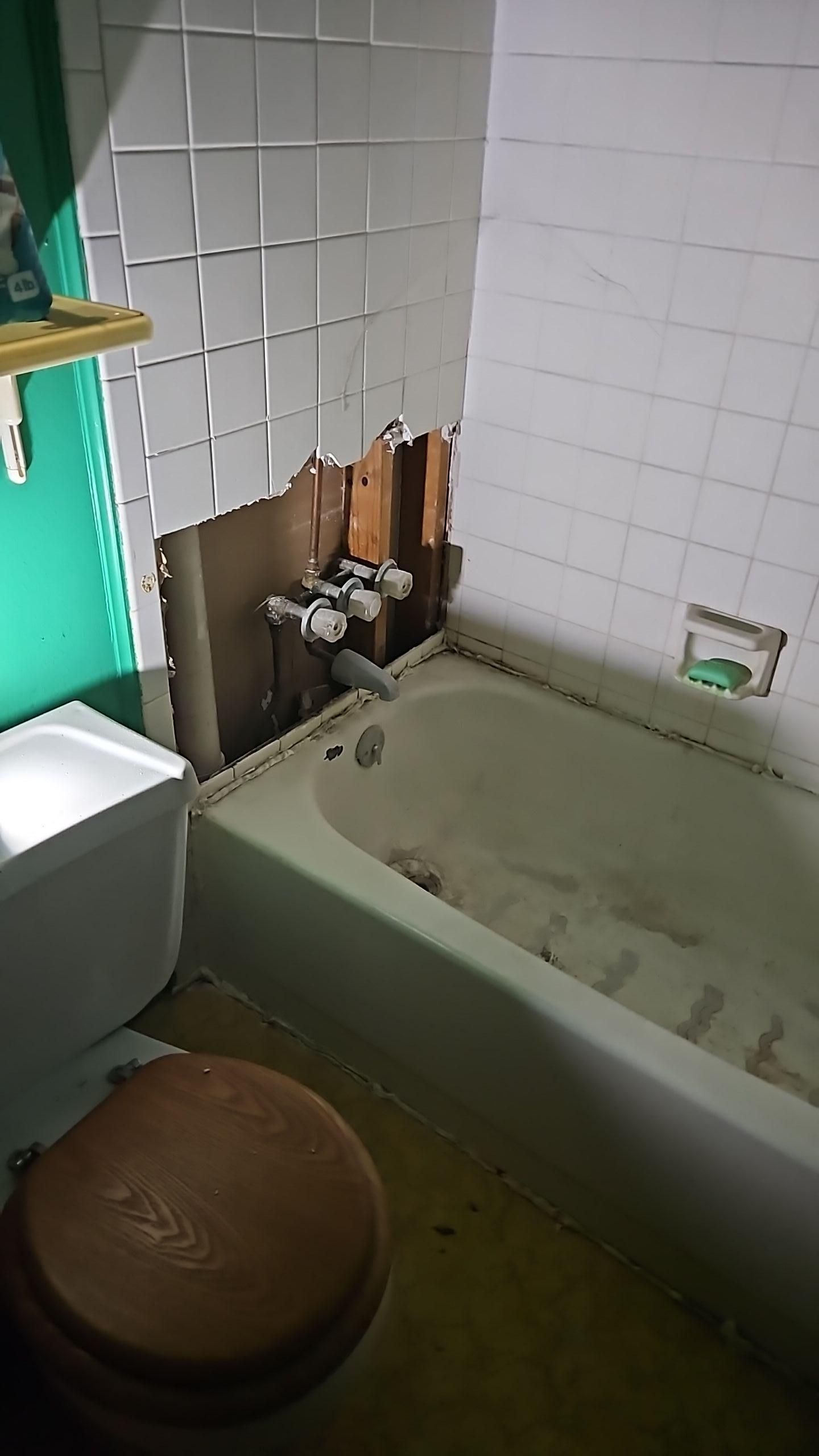
Mold doesn't always announce itself dramatically. Sometimes it hides behind drywall, under cabinetry, and inside insulation for months before anyone realizes the full extent of the problem. That was the situation here. By the time we did our initial walkthrough, it was clear this wasn't a spot-treatment situation. Mold had worked its way through multiple rooms, and the bathroom had it especially bad. The tile, the walls behind the tile, the cabinetry nearby — all of it had to go.
According to the CDC, mold can trigger a range of health issues from respiratory irritation to more serious problems for people with sensitivities. Getting it out completely, not just treating the surface, is what makes the difference between a real fix and a temporary patch.
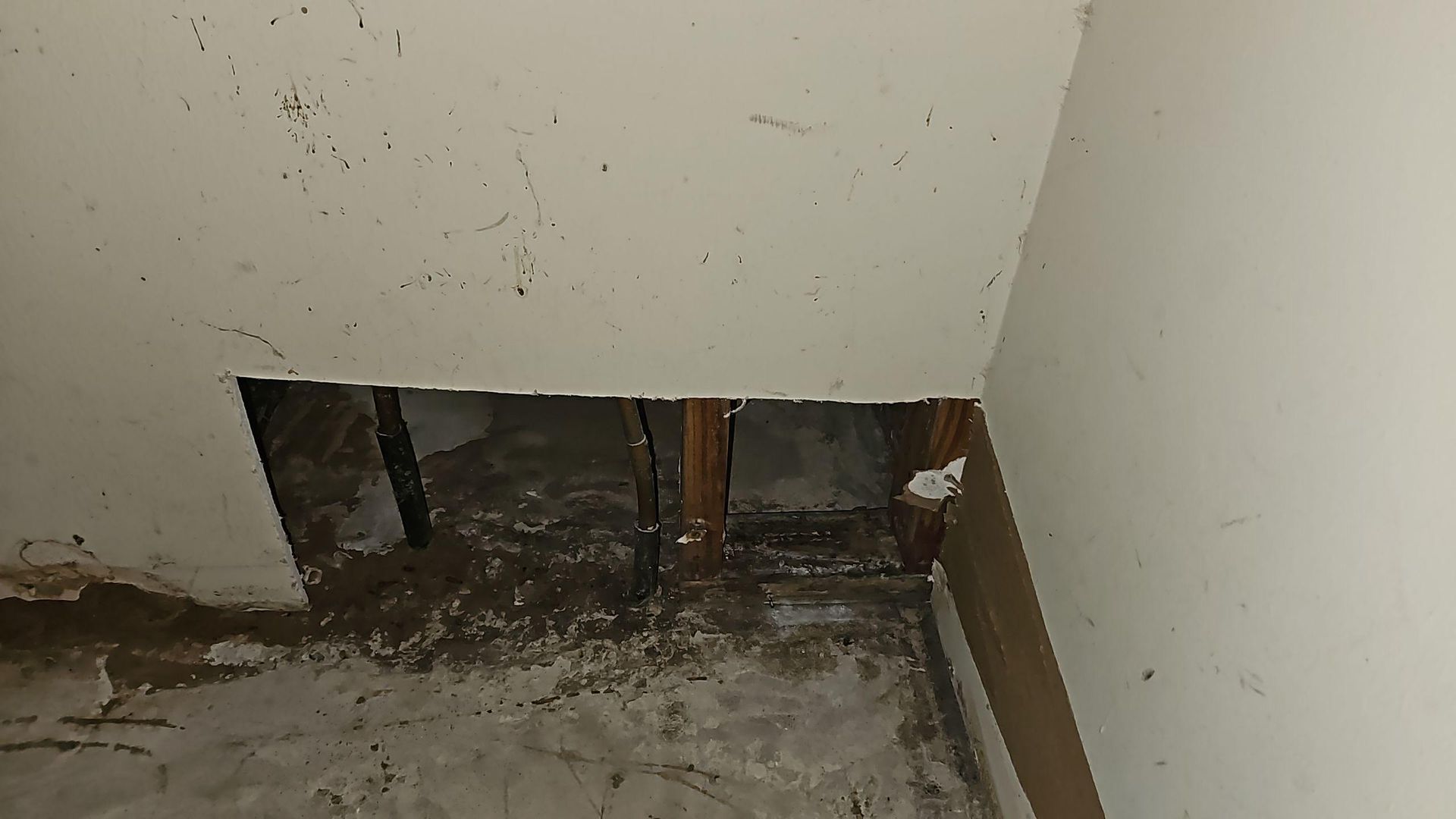
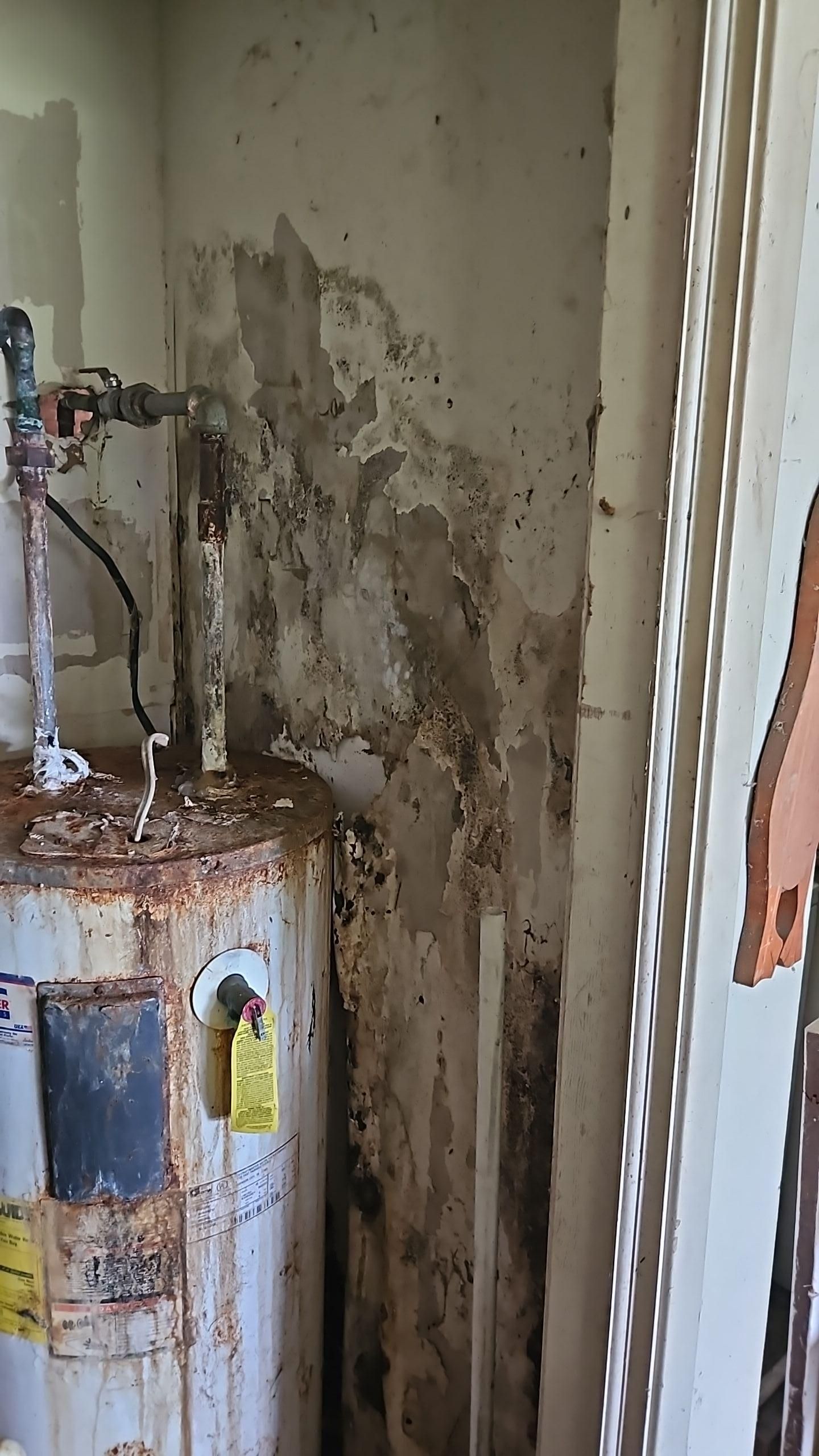
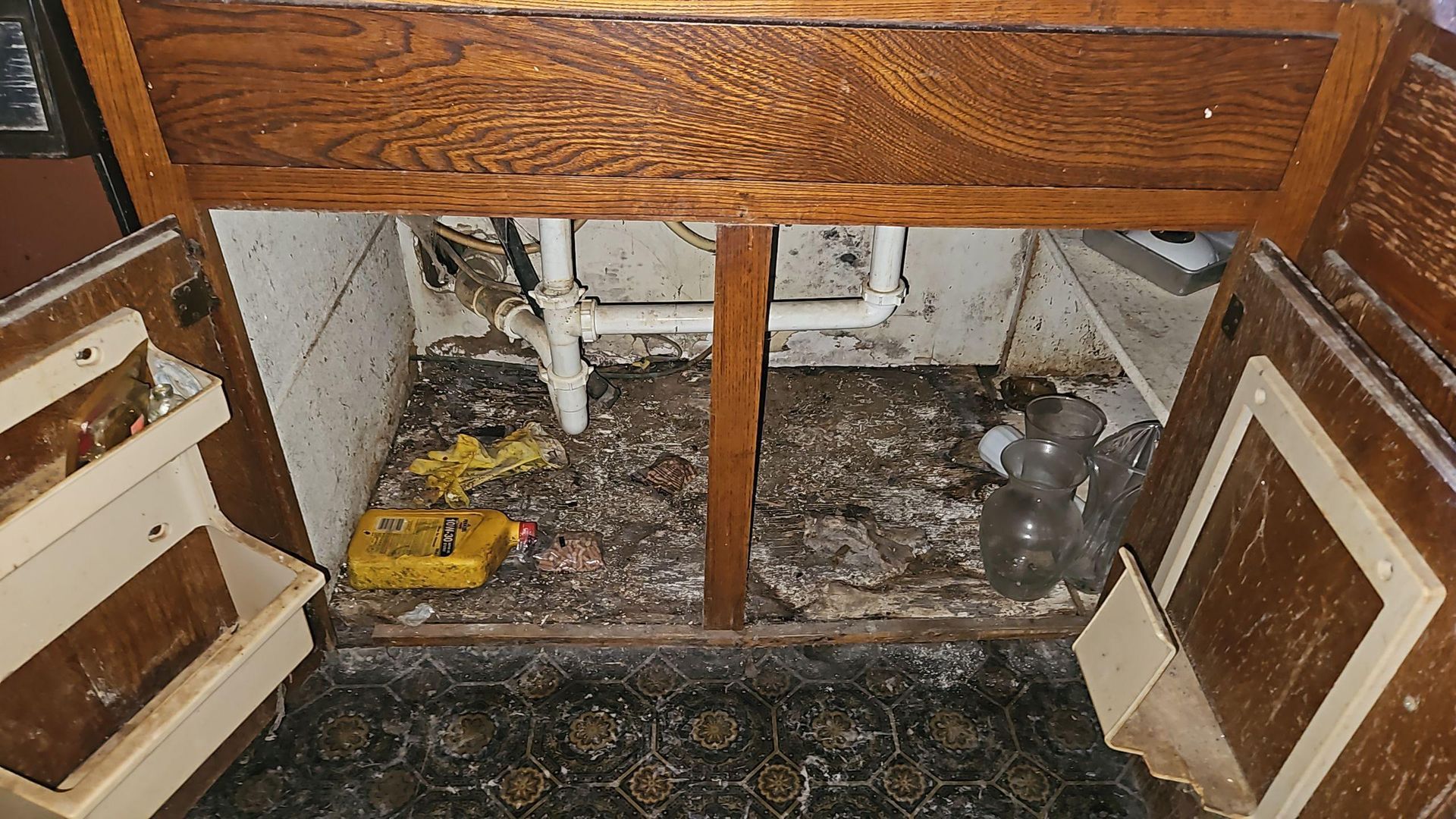
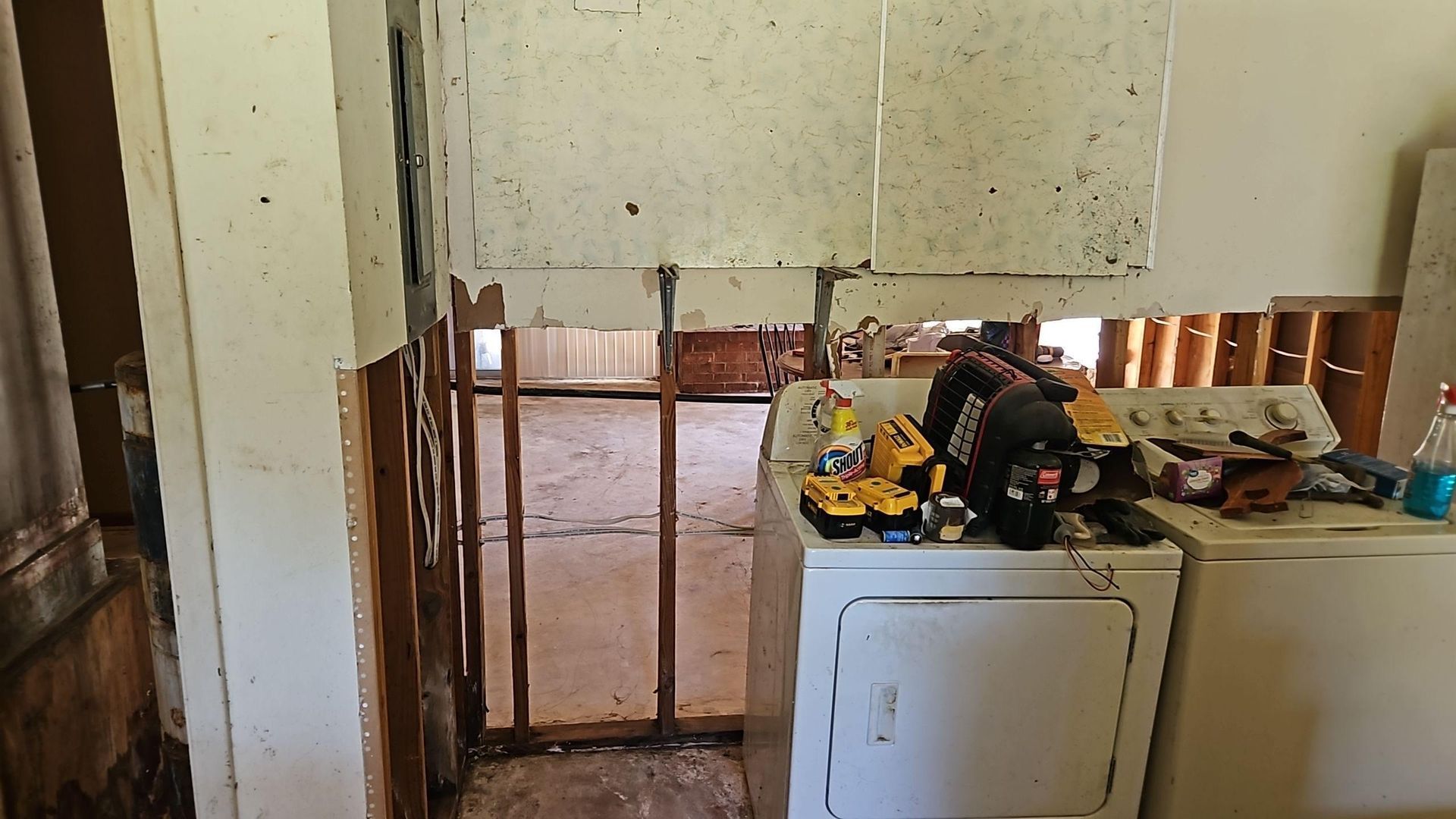
Here's a look at the conditions we walked into:
- Mold growth behind drywall and within insulation across multiple rooms
- Heavily affected bathroom with contaminated tile and surrounding materials
- Cabinetry showing signs of mold infiltration at the base and behind panels
- Moldy debris already present from previous demo attempts
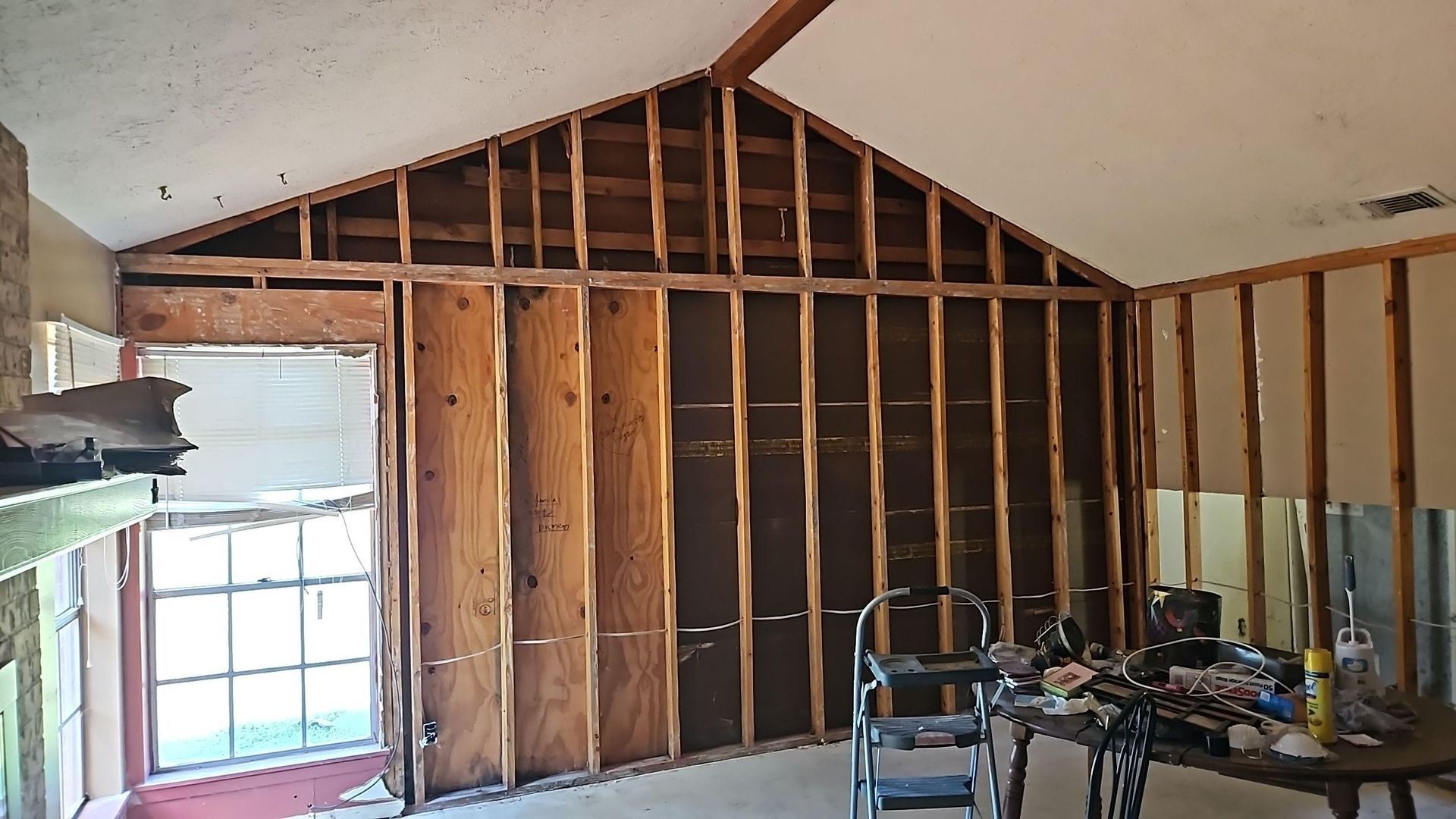
Photos from initial assessment showing the extent of mold growth throughout the home.
 |
 |
 |
 |
 |
The Remediation Plan: Demo First, Then Treat
When mold is this embedded in a home's structure, there's really only one right approach: remove the contaminated materials entirely, then treat what's left. No amount of spray-and-wipe is going to fix mold that's living inside your walls. We put together a remediation scope that covered the full extent of what we found, and we got to work.
Demolition and Material Removal
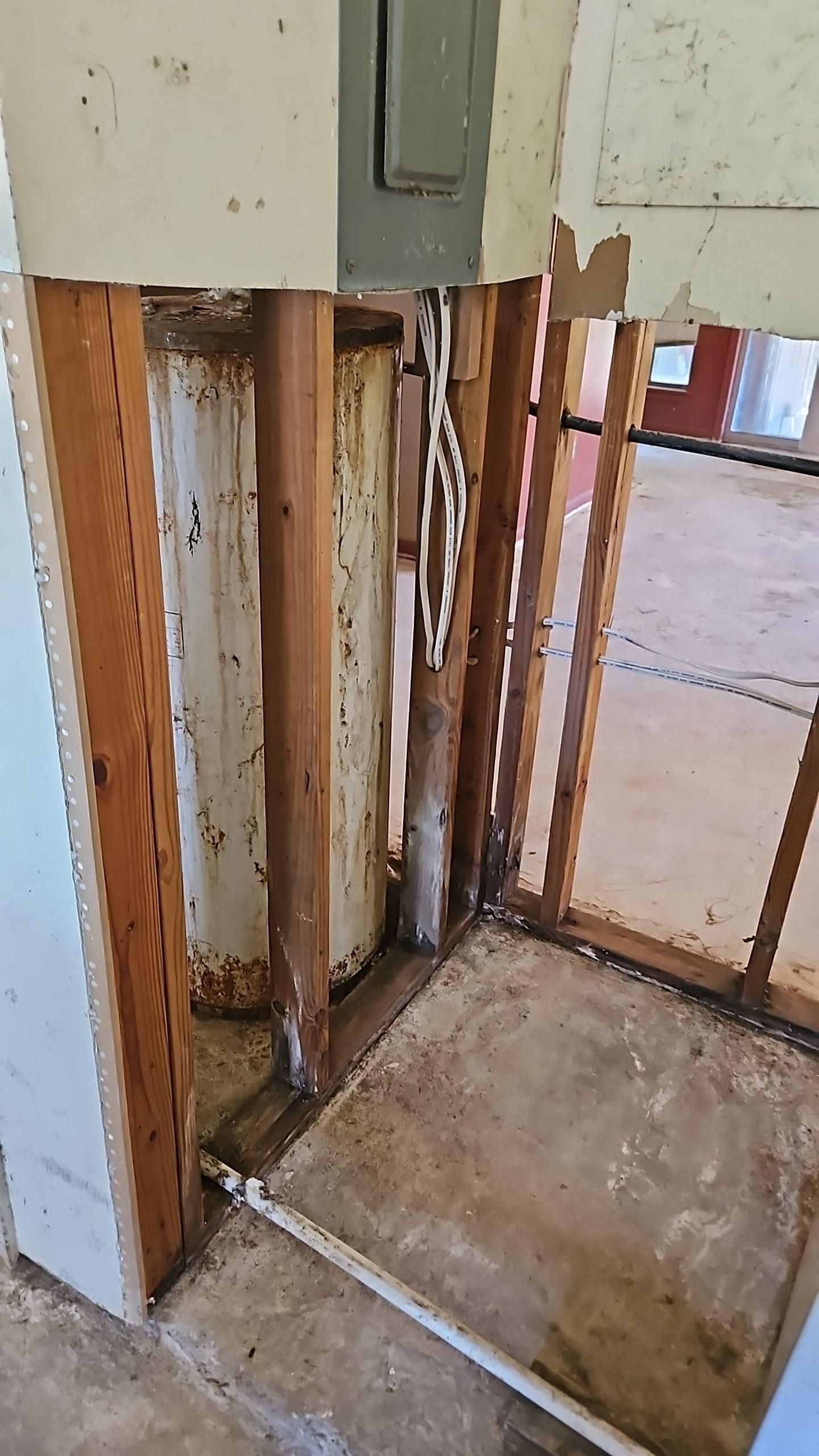
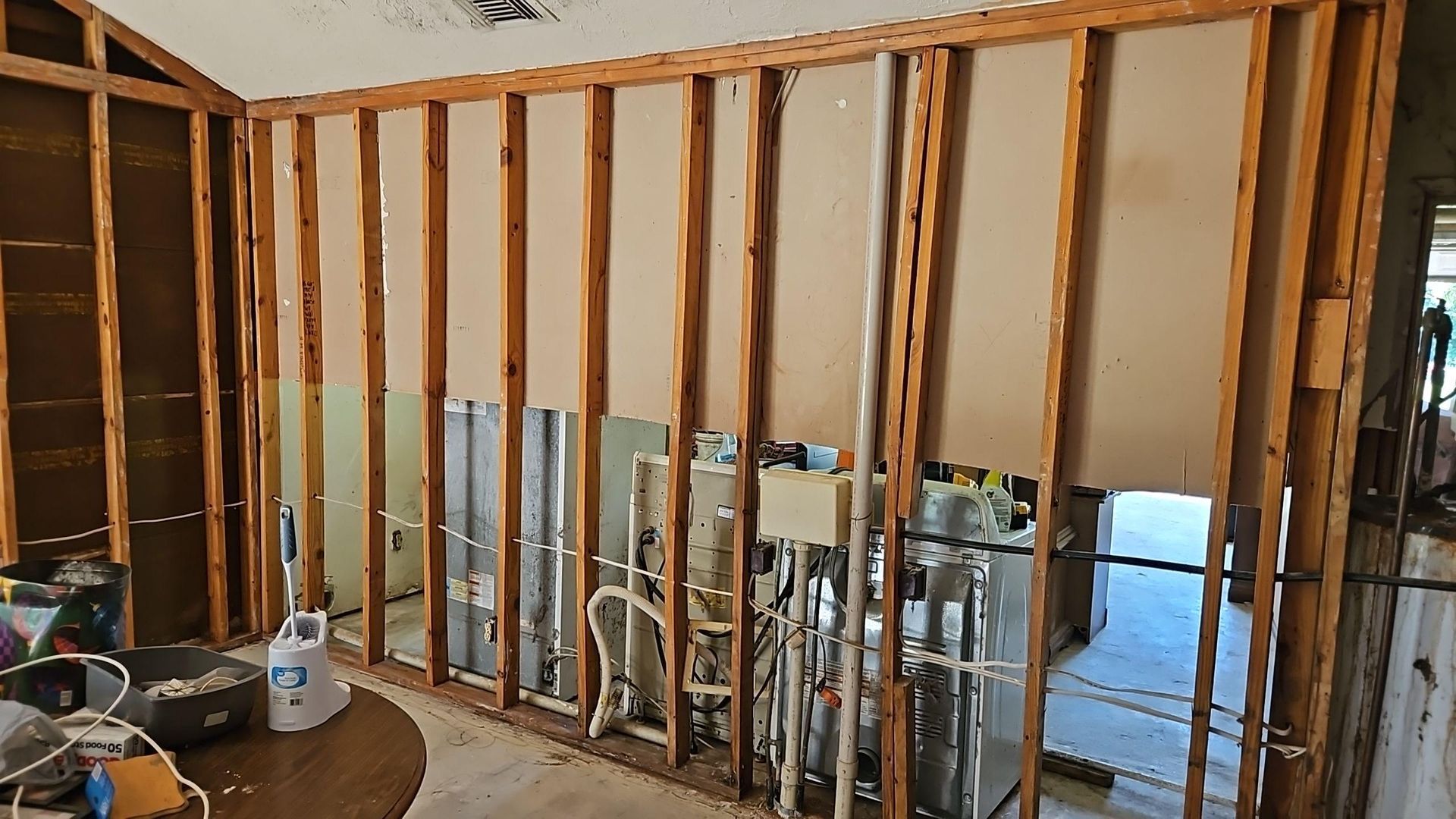
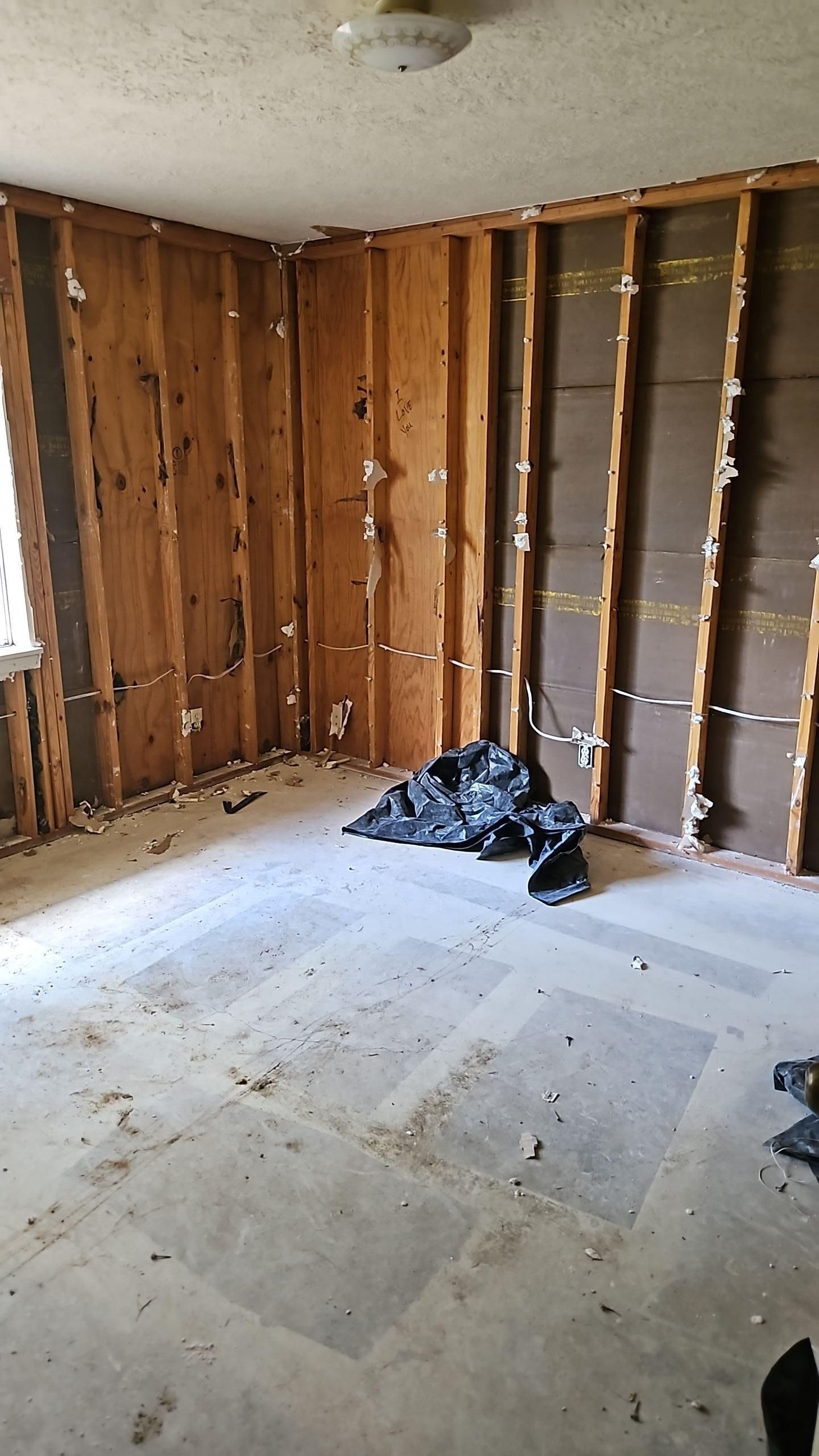
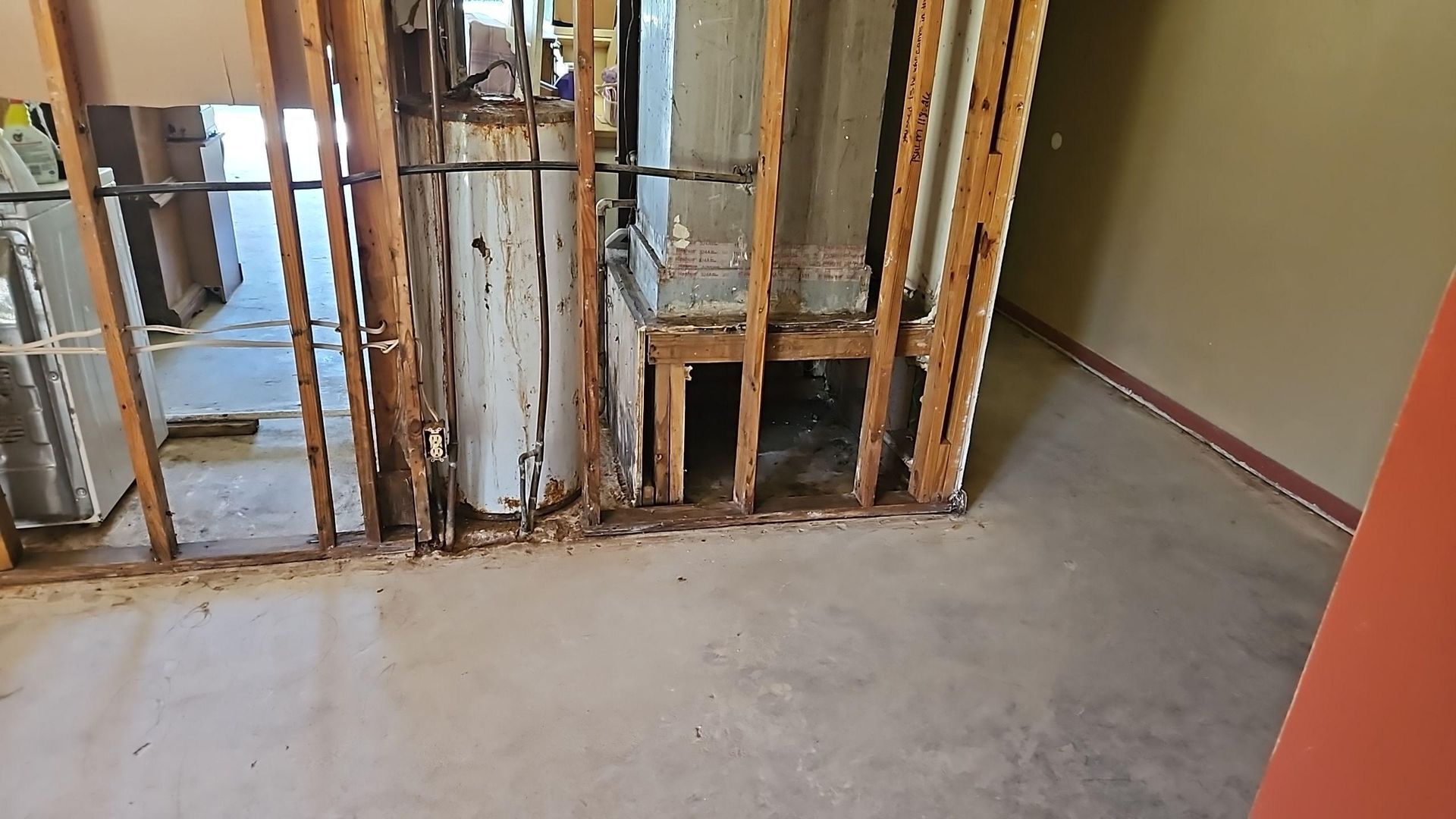
We started with the drywall and insulation. Once we began pulling materials, it confirmed what we suspected: the mold had spread further than what was visible from the surface. We worked through multiple rooms, removing everything that was compromised. After the demo, we went back and pulled every nail and screw left behind in the framing. That step matters more than people realize. Metal fasteners left in place can hold moisture and create new problem spots later.
The bathroom was its own project. Tile came off the walls, and the materials underneath came with it. The cabinetry nearby didn't escape either. Once we pulled the cabinets out, we could see exactly what had been hidden behind them for who knows how long. Not a pretty picture, but better out than in.
Antimicrobial Treatment and HEPA Cleanup
With everything removed, the real remediation treatment began. We applied antimicrobial spray to all affected surfaces, treating the exposed framing and any remaining structural materials. This step kills mold at the source and helps prevent regrowth once the home is rebuilt. The EPA's guidance on mold remediation is clear that just removing visible growth isn't enough. Treatment of the substrate is what protects the structure long-term.
After treatment, we ran HEPA vacuums through the affected areas to capture any remaining mold debris and airborne spores left over from the demolition work. HEPA filtration is key here. Standard vacuums just recirculate spores back into the air. HEPA units trap them at the microscopic level, which is what actually makes the space safe.
This is also where our disinfection and antimicrobial treatment process really earns its keep. We don't consider a space clean until the air and the surfaces both meet the standard.
Mid-project and post-treatment photos showing material removal and antimicrobial application progress.
 |
 |
 |
 |
 |
Why This Job Required a Full Teardown
We get asked sometimes why a mold job requires so much demo. Mold grows into porous materials because they trap moisture. Once it's inside drywall or insulation, you can't treat your way through it. The material has to go.
This Pflugerville home was a clear example. What might have looked manageable turned into a multi-room removal project once we could see inside the walls. That's why a thorough inspection matters before any work begins. Curious how mold spreads this far? Our blog on common causes of mold and how to prevent them breaks it down. And our water and mold mitigation case from Cameron, TX shows what another project like this looked like.
What the Homeowner Was Left With
When we wrapped up in Pflugerville, the affected rooms were clean, treated, and ready for the next phase. All contaminated materials were gone. The framing had been antimicrobial-treated and HEPA vacuumed. Every fastener from the demo had been cleared out. We walked the homeowner through everything so they understood exactly what had been done.
Mold remediation at this scale is never fun. But it is fixable, and the right team makes a real difference. If you've spotted mold and aren't sure whether it's a surface issue or something bigger, don't guess. Let us come take a look.
Mold often follows water damage closely. Our carpet mold remediation case from Austin is a good example. If you've had a water damage event in your home, it's worth checking for mold in those areas, even if you can't see it yet.
Mold Doesn't Wait, and Neither Do We
At Texas Certified Restoration, we're available 24/7 for mold emergencies across Pflugerville, Round Rock, and the greater Austin area. Our certified team knows how to assess the full extent of the problem and get it resolved the right way.
Get Emergency Help NowIICRC Certified. Serving Greater Austin. Available Around the Clock.

Tracy King
About The Author:
Tracy King, of Texas Certified Restoration, brings over 10 years of combined industry experience to the disaster restoration field. Since the founding of the company, Tracy has been committed to providing professional and dependable restoration services to homeowners and businesses throughout the Greater Austin area. With a passion for helping clients navigate the challenges of water damage, fire damage, and other disaster-related situations, Tracy leads a certified team dedicated to delivering quality service that helps families and businesses resume normal life after unexpected emergencies.
Read More: