
Filing Water Damage Insurance Claims: A Complete Homeowner's Guide
Updated on: March 5, 2026
Author: Tracy King
Jump To:
Finding water damage in your home is stressful enough. Having to figure out an insurance claim on top of it? That can feel downright overwhelming. The good news is that most standard homeowners policies do cover water damage restoration when the damage is sudden and accidental. The bad news is that "sudden and accidental" comes with a lot of fine print.
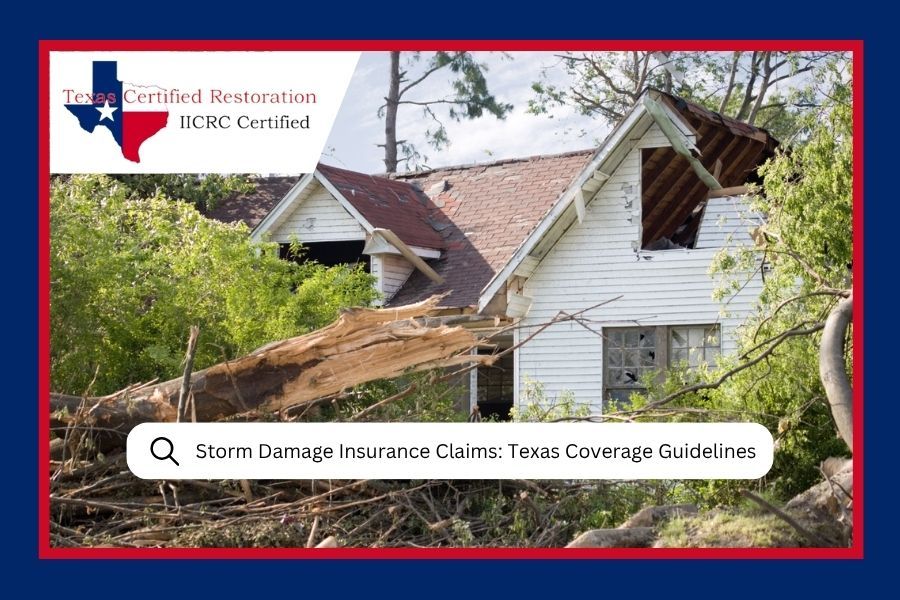
Whether you're dealing with a burst pipe, a faulty water heater, or storm damage from one of Central Texas's spring thunderstorms, filing your claim correctly can be the difference between a smooth recovery and a months-long headache. Our team at Texas Certified Restoration has walked hundreds of Austin-area homeowners through this process, and a little preparation goes a long way. This guide covers what's covered, how to document everything, and the mistakes that lead to denied claims.
What Does Homeowners Insurance Actually Cover for Water Damage?
If the water damage happens suddenly and you didn't cause it through neglect, you're probably covered. Most Texas homeowners policies cover damage from burst or frozen pipes, sudden appliance failures, accidental plumbing leaks, and water that enters through storm-damaged openings. According to the EPA, untreated water damage quickly leads to mold and moisture problems that create additional health risks and property damage, making fast action on your claim even more important.
What's Typically NOT Covered
- Flooding from outside sources, like rising creek water or ground saturation. You need a separate flood policy through the National Flood Insurance Program.
- Gradual leaks and seepage. A pipe dripping behind your wall for months is considered a maintenance issue, not a sudden event.
- Sewer or drain backups unless you've purchased a separate endorsement.
- Damage from neglect. Ignoring a known roof issue can give your insurer a reason to deny the claim.
In flood-prone parts of Travis, Williamson, and Bell County, it's worth confirming whether your policy includes flood coverage. Many homeowners assume they're fully covered, only to learn otherwise after the damage is done.
Dealing with Water Damage Right Now?
Our IICRC-certified team responds 24/7 across the Greater Austin area and can help you navigate the insurance claims process from start to finish.
Get Emergency Help NowStep-by-Step: Filing Your Water Damage Claim
Filing an insurance claim doesn't have to feel like solving a riddle. It's mostly about doing things in the right order and keeping good records. Here's a practical checklist.
Your Water Damage Insurance Claim Checklist
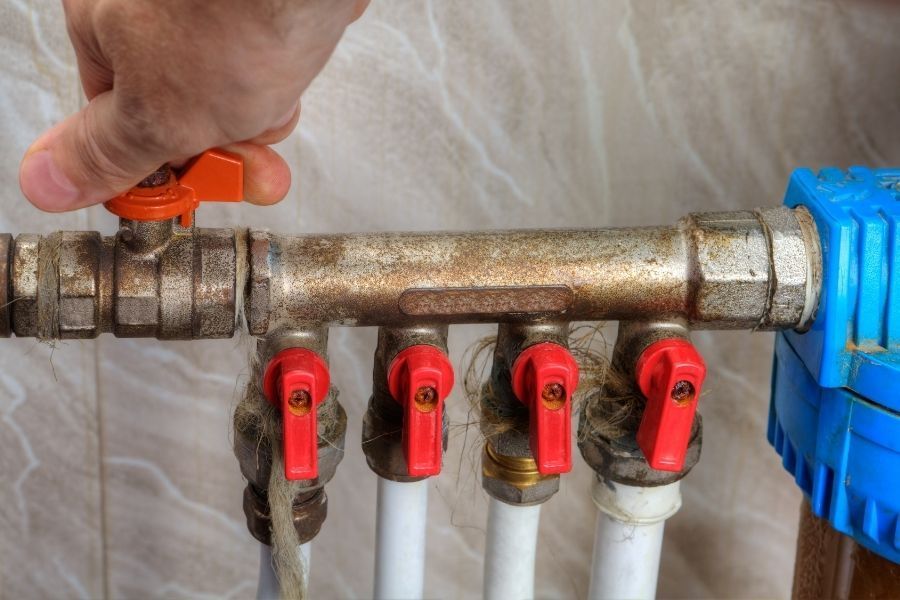
Knowing the location of your main water shut-off valve can save you thousands. Turn it off immediately when you discover a leak.
One detail that catches many homeowners off guard: if your home has a mortgage, insurance settlement checks are often made out to both you and the mortgage lender. The lender needs to endorse the check, and they may release funds in stages as repairs are completed.
Documenting the Damage Like a Pro
Good documentation is the backbone of a successful claim. Without it, you're asking your insurer to take your word for it. That rarely works in your favor.
Start taking photos and video the moment you discover the damage. Don't clean anything up first. Your insurer needs to see the original state. Here's what to capture:
- Wide shots of each affected room showing the full scope
- Close-ups of damaged flooring, drywall, baseboards, and trim
- The source of the water, if visible (burst pipe, failed appliance, roof opening)
- Water lines on walls showing how high the water reached
- Damaged personal belongings with notes on brand, age, and approximate value

Your phone camera is one of the most valuable tools during the claims process. Photograph everything before cleanup begins.
Beyond photos, create a written inventory of every damaged item. Include the description, estimated value, and purchase date. If you still have receipts, even better. A quick tip from our experience: use your phone's voice memo feature to narrate a walkthrough. It's faster than writing notes in the moment, and we've seen it help homeowners remember details they'd have otherwise forgotten.
Working with Insurance Adjusters
After you file, your insurance company sends an adjuster to inspect the damage. Important to know: this person works for the insurance company, not for you. Their job is to assess damage and determine what the insurer should pay based on your policy.
Be present during the inspection and walk the adjuster through every affected area. Share your photos, videos, and inventory. Have your restoration company's estimate ready, because a detailed professional estimate gives you leverage if the adjuster's number comes in low.
| Factor | Insurance Adjuster | Public Adjuster (Hired by You) |
|---|---|---|
| Works for | The insurance company | You, the homeowner |
| Cost | No direct cost | Typically 10-15% of settlement |
| Best for | Straightforward, smaller claims | Complex, high-value, or disputed claims |
If the settlement offer seems low, you can negotiate. For larger, more complex claims, hiring a public adjuster who works on your behalf can be worth considering.
Why Water Damage Claims Get Denied (and How to Avoid It)
Claim denials happen more often than you'd think, and they're almost always avoidable.
Delayed reporting. Waiting days or weeks signals to the insurer that the damage might not have been urgent. Report within 24 hours whenever possible.
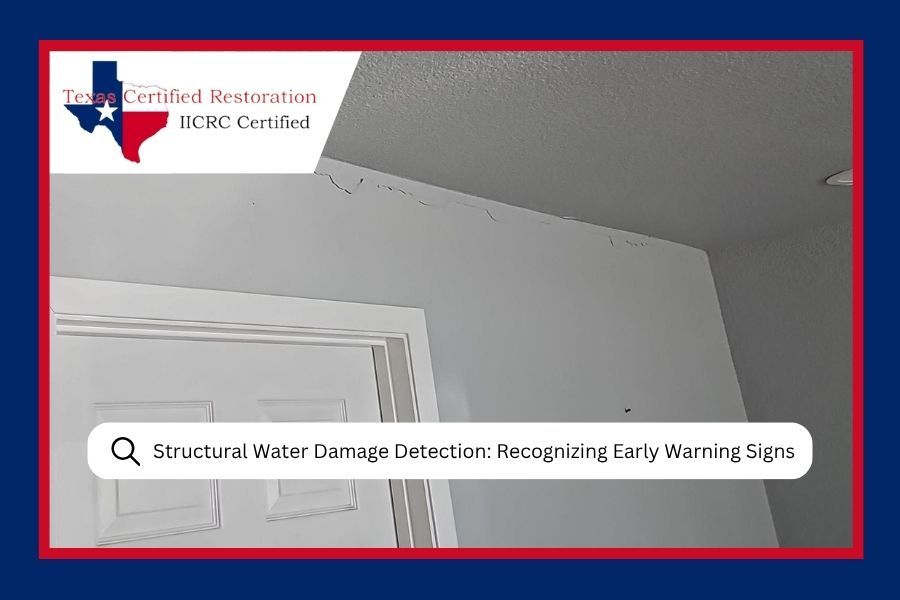
Gradual damage classified as neglect. If the adjuster finds a leak existed for weeks, the claim can be denied. This is why regular home maintenance and watching for early warning signs matters so much.
Insufficient documentation. A claim backed only by your verbal description is weaker than one with timestamped photos and a detailed inventory. Insurance professionals across the board recommend documenting damage immediately and keeping records of all communication with your insurer. The IICRC S500 standard for water damage restoration also emphasizes thorough documentation as a critical part of the restoration and claims process.
Failure to mitigate. Your policy requires you to take reasonable steps to prevent further damage. Discovering a burst pipe and leaving it running all weekend can reduce or eliminate your coverage for additional damage.
Flooding misclassified as covered damage. If water entered from outside due to rising floodwaters, that's flood damage, and standard policies don't cover it. In Central Texas where flash flooding is a real concern, this distinction matters. Our guide on flash flood recovery covers how to handle those situations.
How a Restoration Company Helps with Your Claim
A good restoration company doesn't just fix the damage. They can be one of your biggest allies during the claims process.
At Texas Certified Restoration, we work directly with insurance companies regularly. We use moisture meters, thermal imaging cameras, and diagnostic tools to identify hidden damage behind walls, under flooring, and inside structural cavities. A thorough assessment from an IICRC-certified company gives the adjuster a complete picture of what needs to be addressed.
Restoration companies familiar with damage restoration insurance claims use estimating software that insurers recognize. This means fewer disputes and less back-and-forth. With over 10 years of combined experience, our certified professionals have navigated the claims process with homeowners across Round Rock, Cedar Park, Georgetown, and the greater Austin area.
If you want to learn more about the restoration process itself, our guide to restoration timeframes covers what to expect.
Need Help with Your Water Damage Claim?
Texas Certified Restoration handles insurance claims for homeowners across the Greater Austin area every day. We'll help you document the damage, coordinate with your adjuster, and get your home back to normal.
Get a Free Second OpinionFrequently Asked Questions
How long do I have to file a water damage insurance claim in Texas?
Most policies require "prompt notice," which generally means reporting within a few days. The safest approach is to call your insurance company within 24 hours, even if you don't have all the details yet. Waiting too long can give your insurer grounds to reduce or deny coverage.
Should I start cleanup before the adjuster arrives?
Take reasonable steps to prevent further damage, like turning off the water, mopping standing water, and moving undamaged valuables. But don't throw away damaged items or begin major repairs until the adjuster inspects. A professional restoration company can begin emergency mitigation without interfering with the adjuster's ability to assess the damage.
Does filing a water damage claim raise my insurance premiums?
It can. Insurance companies use claims history as a factor in setting premiums. In some cases, an insurer may choose not to renew your policy after a major claim. That said, paying for all repairs out of pocket is usually far more expensive than any premium increase. Talk with your agent to understand how a claim might affect your situation.
What if my water damage claim is denied?
A denial isn't always the final word. Request a written explanation, review it against your policy language, and consider filing an appeal with additional documentation. You can also hire a public adjuster or file a complaint with your state's department of insurance if you believe the denial was handled unfairly.

Tracy King
About The Author:
Tracy King, of Texas Certified Restoration, brings over 10 years of combined industry experience to the disaster restoration field. Since the founding of the company, Tracy has been committed to providing professional and dependable restoration services to homeowners and businesses throughout the Greater Austin area. With a passion for helping clients navigate the challenges of water damage, fire damage, and other disaster-related situations, Tracy leads a certified team dedicated to delivering quality service that helps families and businesses resume normal life after unexpected emergencies.
Read More: