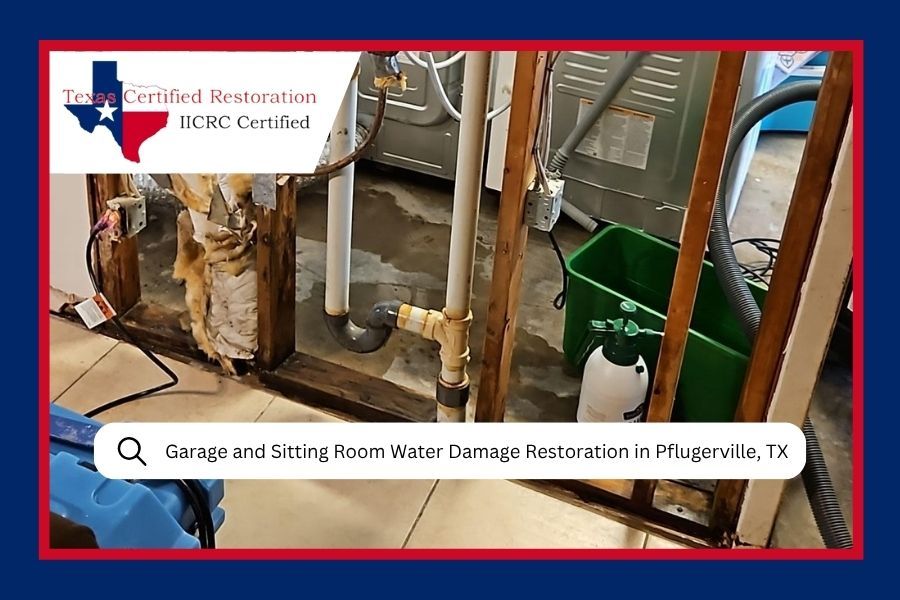
When Two Problems Hit at Once: Garage and Sitting Room Water Damage in Pflugerville, TX
Updated on: May 26, 2026
Author: Tracy King
Water damage has a way of showing up at the worst possible time, and this job in Pflugerville was no exception. A homeowner was dealing with two separate moisture sources at once: a broken pipe hiding behind the garage wall and a washing machine that had been quietly causing damage nearby. By the time our team at Texas Certified Restoration arrived, the water had already worked its way into the drywall and insulation. Our Pflugerville water damage restoration team got to work right away.
What We Found When We Arrived
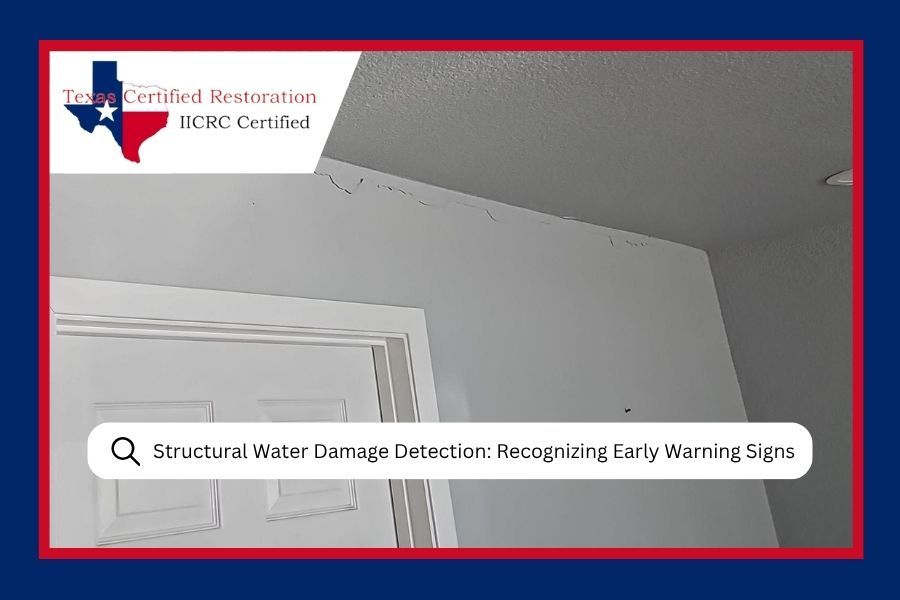
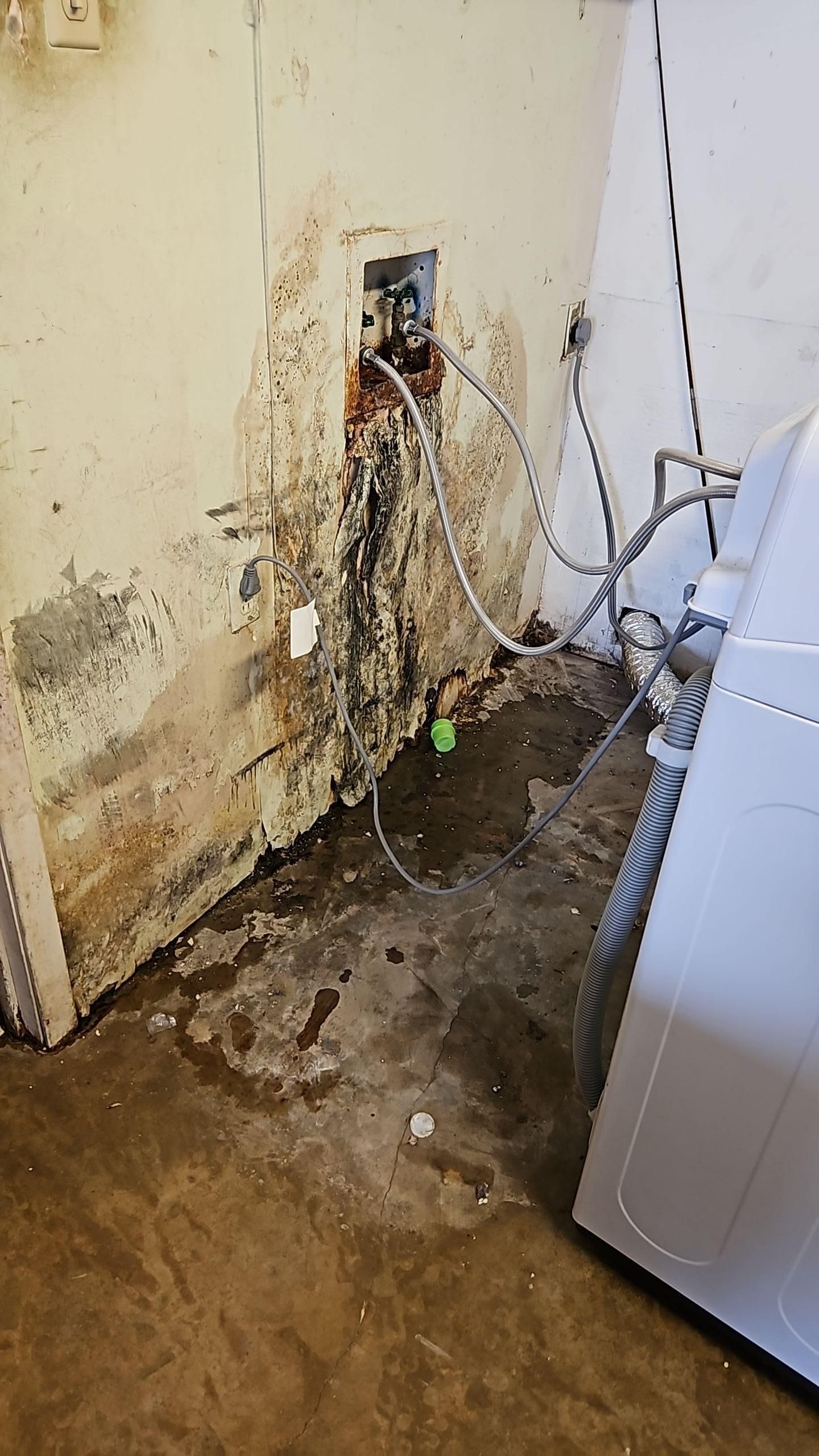
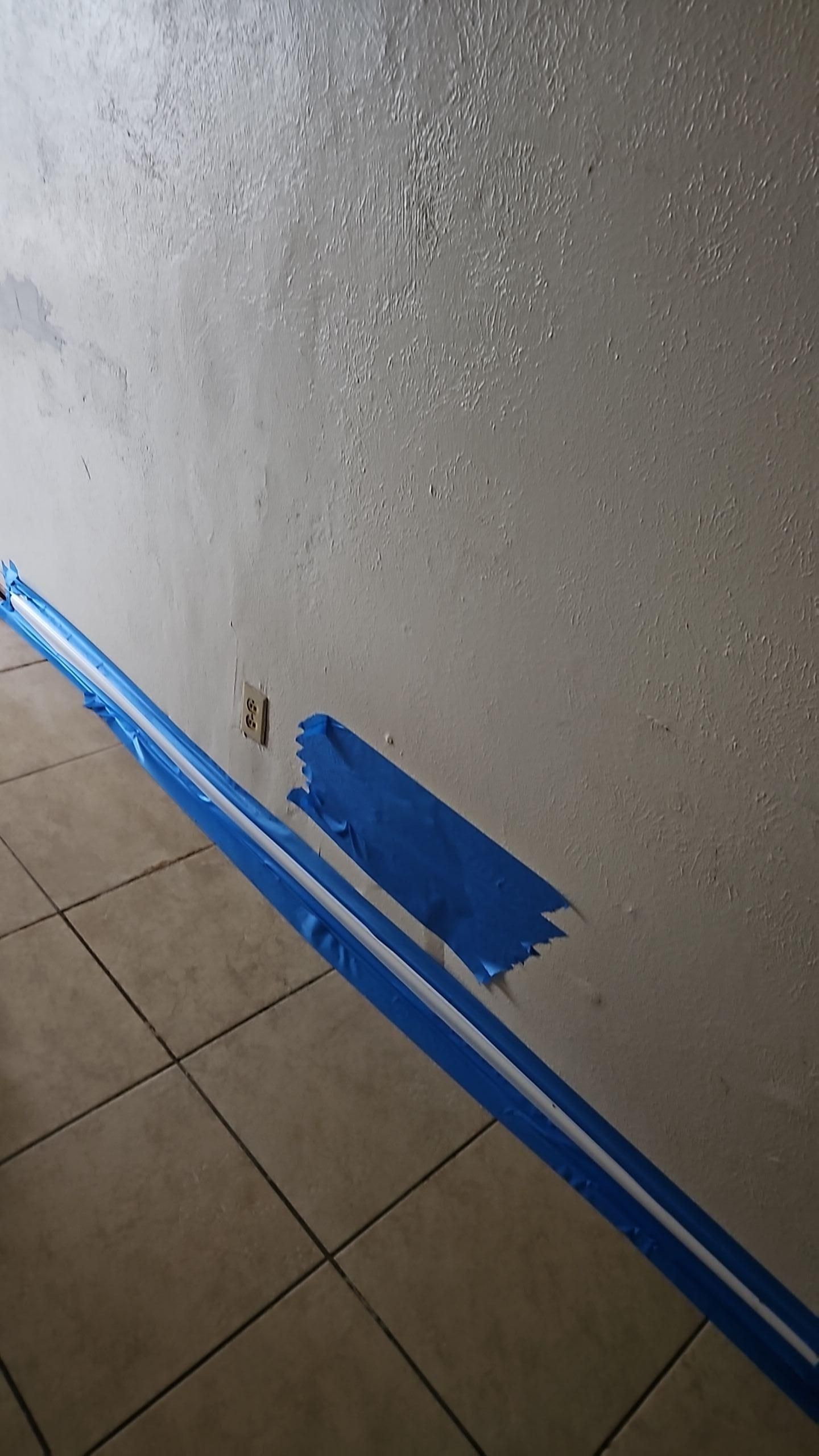
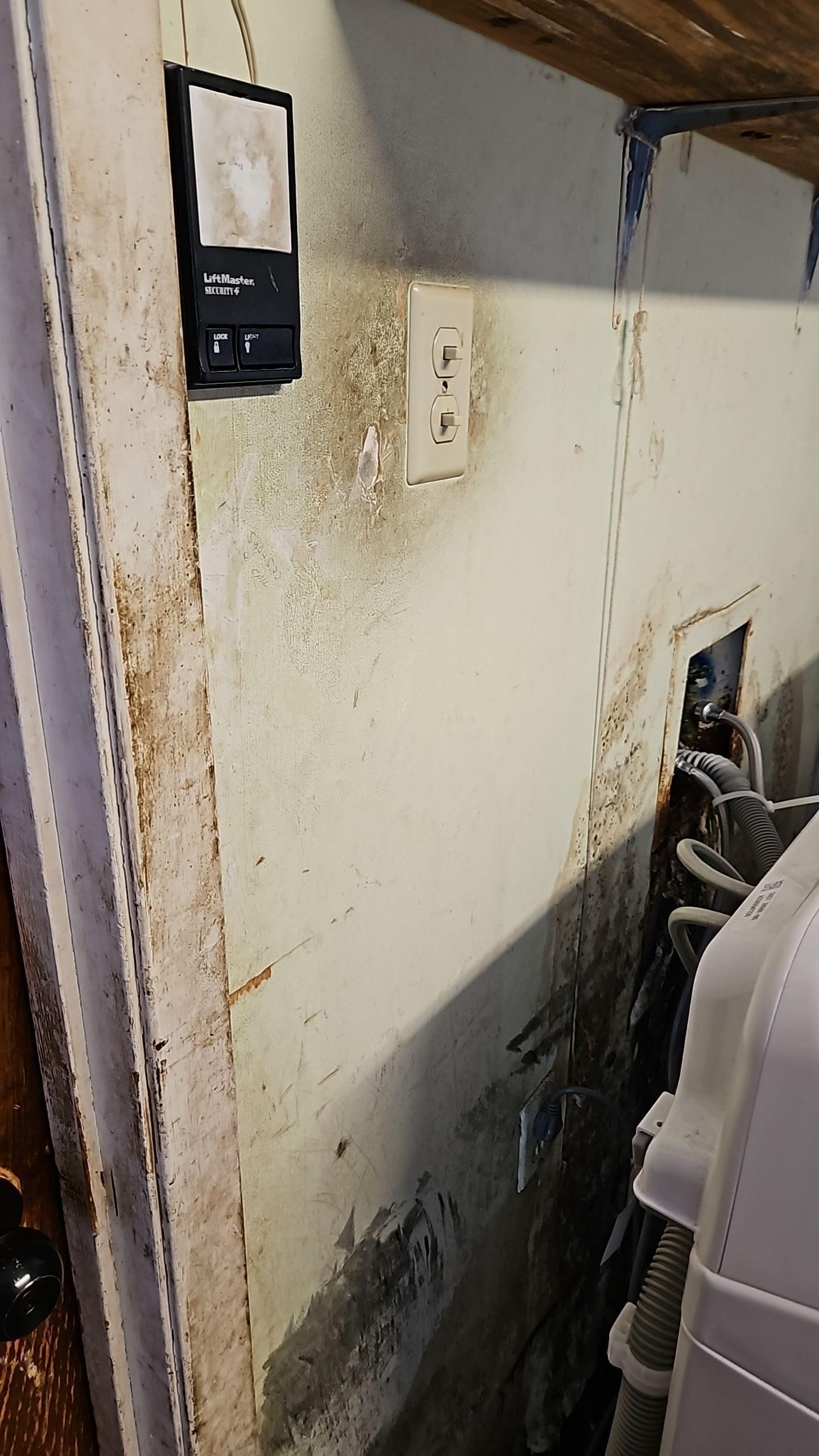
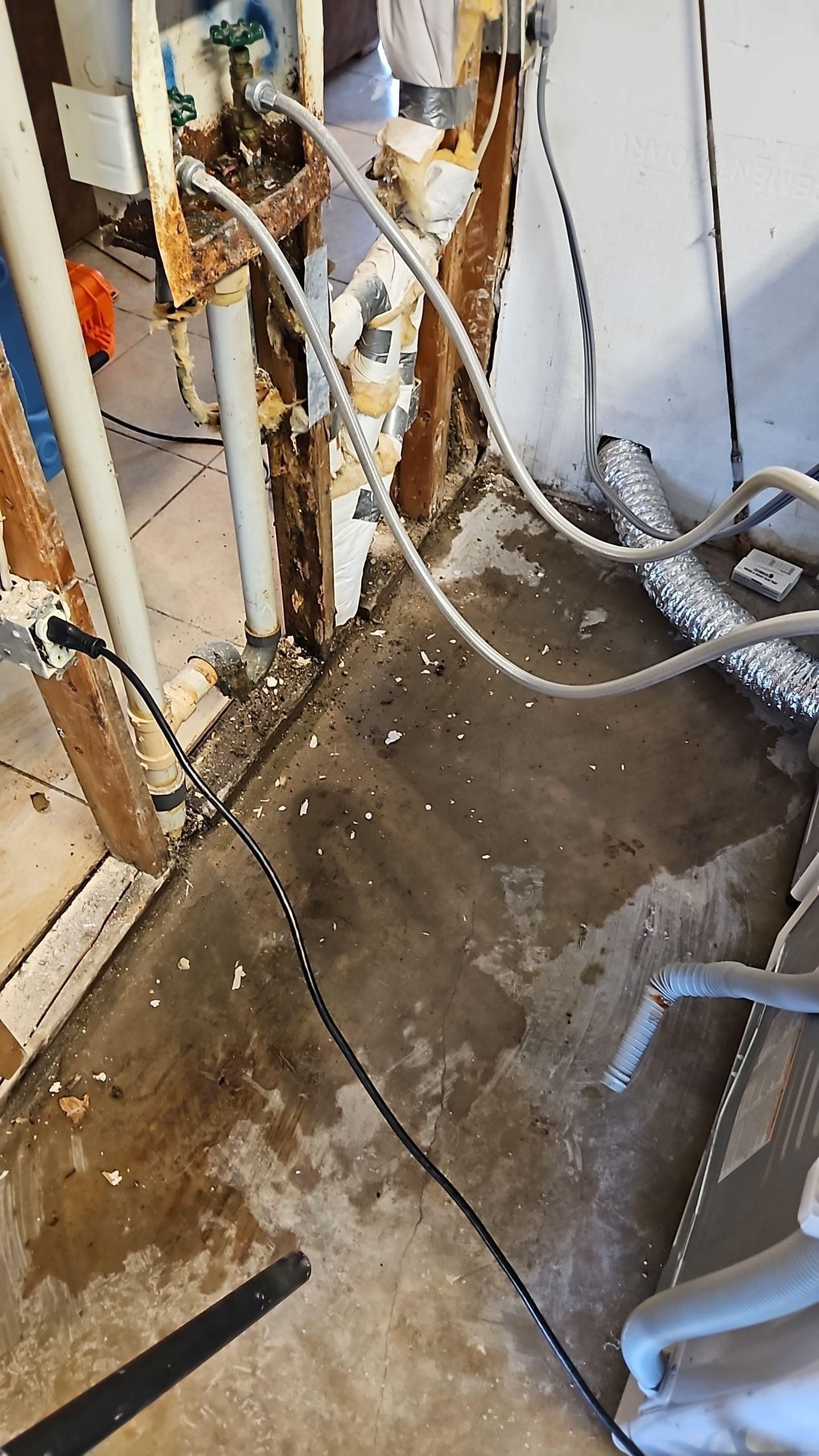
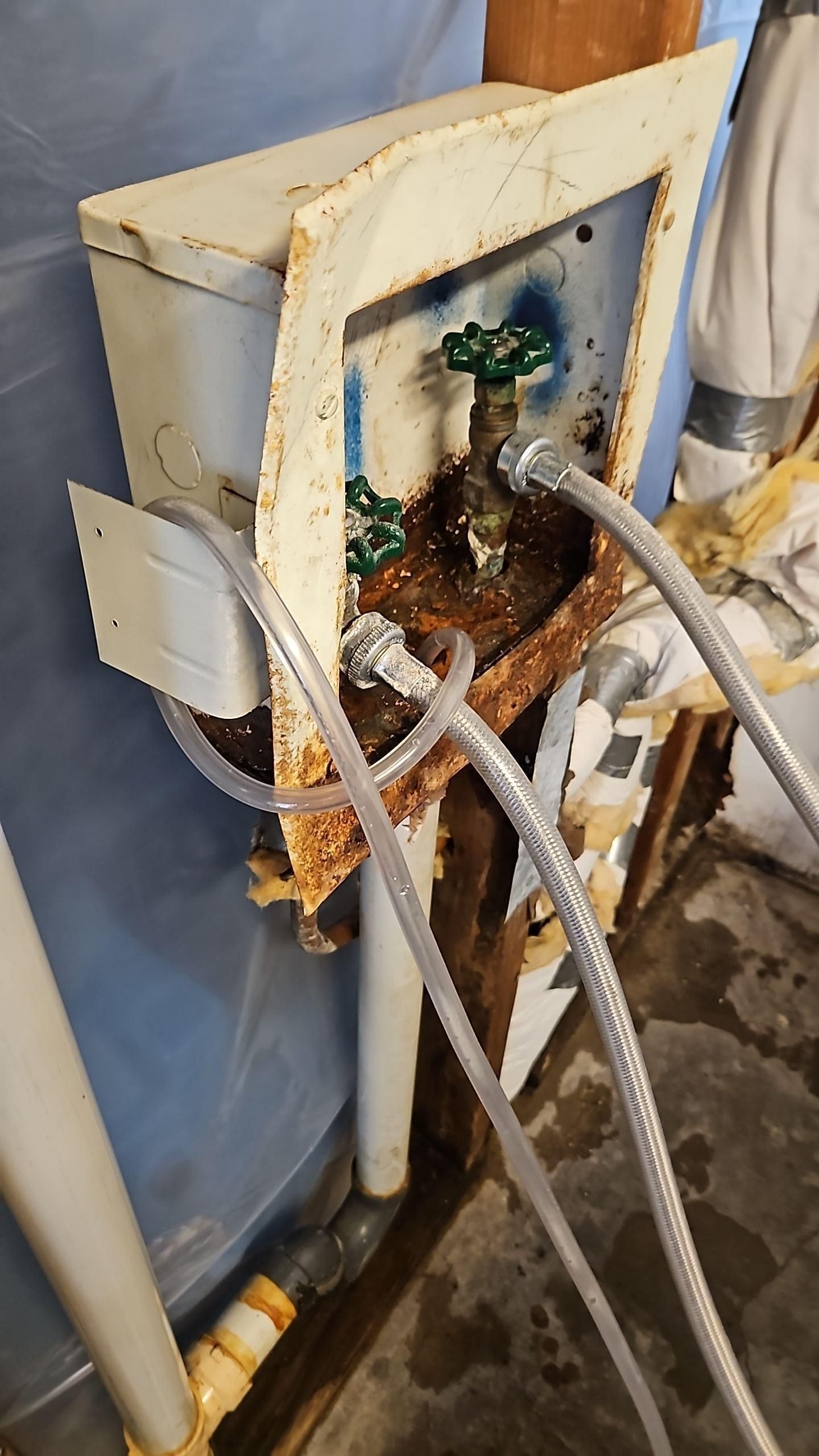
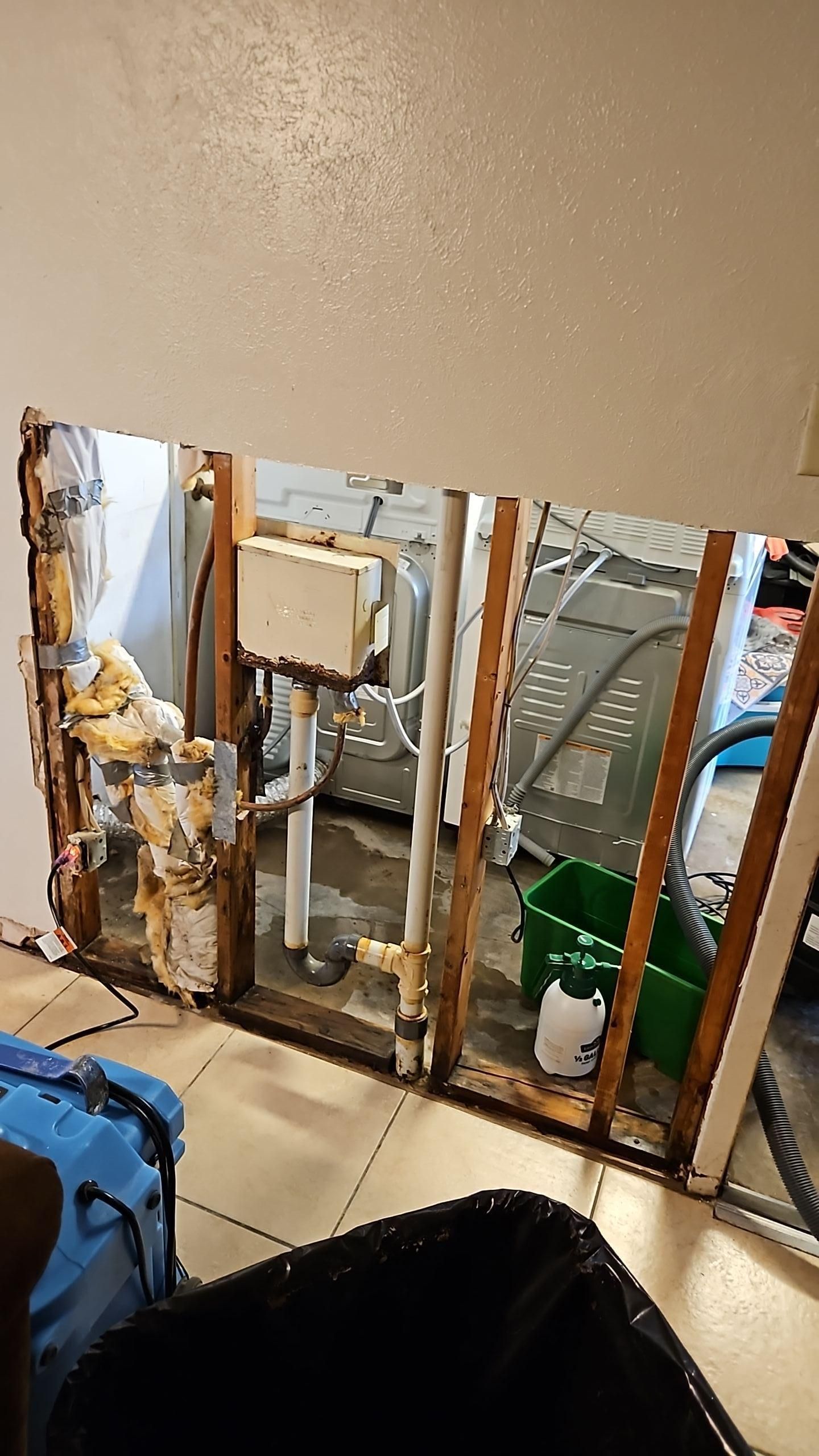
The garage told the first half of the story. Behind the drywall, a pipe had failed and had likely been leaking for some time. The insulation had absorbed a significant amount of moisture, which means the damage was not just surface level. In the sitting room, the washing machine had been the culprit. Water had migrated under the baseboards and into the drywall, which is a classic pattern we see with appliance leaks. Both rooms needed immediate attention.
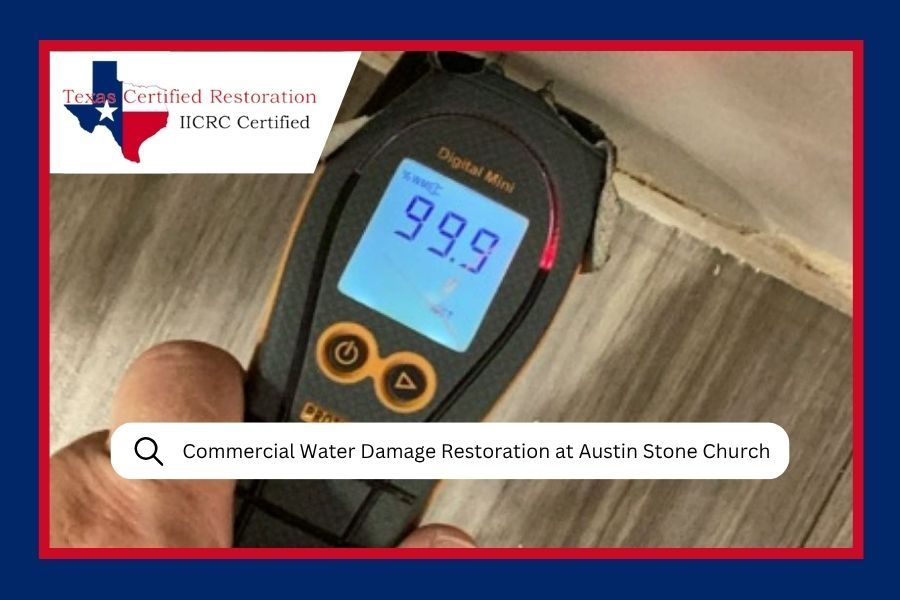
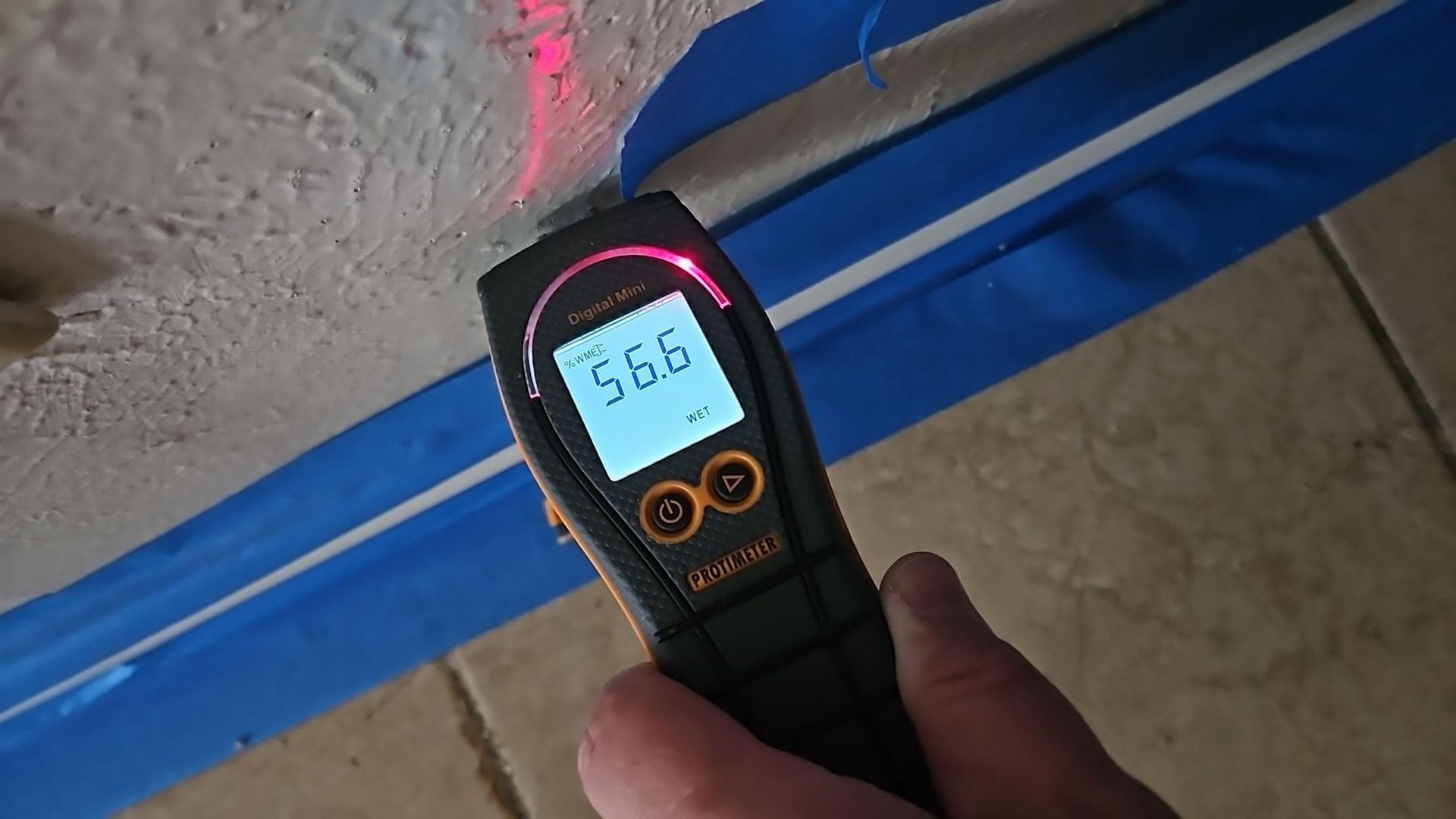
A big part of our job is accurate scoping before a single piece of drywall comes down. We inspected both rooms carefully to understand how far the moisture had traveled. Hidden moisture is one of the main reasons water damage jobs can spiral if not handled properly. As IICRC S500 standards outline, a thorough moisture assessment before any structural removal is critical to an effective restoration outcome.
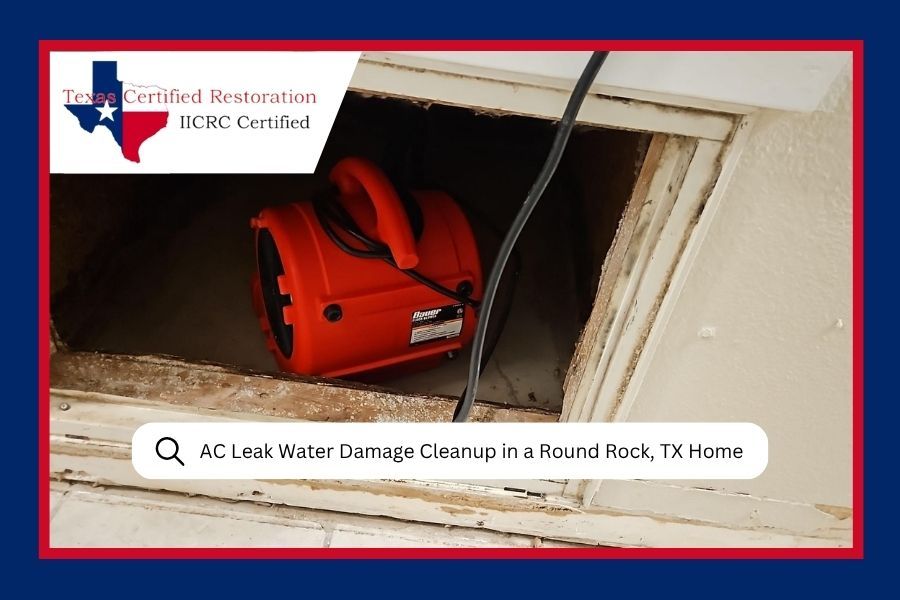
Initial assessment: washing machine damage and broken pipe inspection in the Pflugerville home.
 |
 |
 |
 |
 |
How We Tackled the Garage First
In the garage, the washer and dryer had to come out before we could access the damage. Once we had clear access, we removed a section of drywall and insulation measuring approximately 5 by 4 feet. We also removed the face plate to get a proper look at what was happening inside the wall cavity. This is not glamorous work, but it is necessary. Leaving wet insulation in place is a fast track to secondary problems down the road.
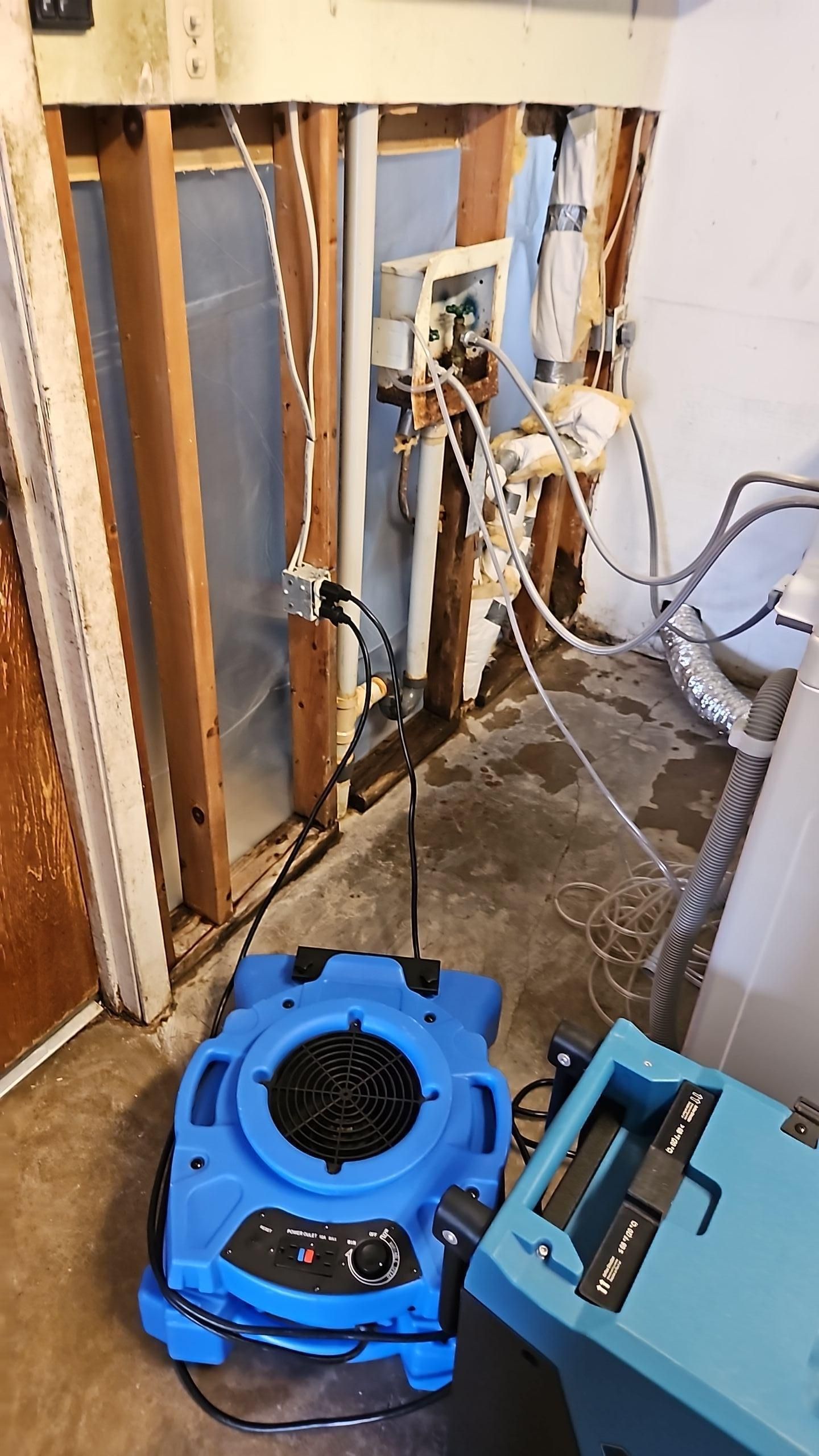
With the affected materials out, we applied an antimicrobial treatment to the exposed area to address any microbial growth that may have gotten started. Then we placed a dehumidifier and an air mover to begin the structural drying process. Drying equipment is not just about removing visible water. It pulls moisture out of the wood framing and subfloor that you'd never be able to see with the naked eye.
Sitting Room: Containing the Spread
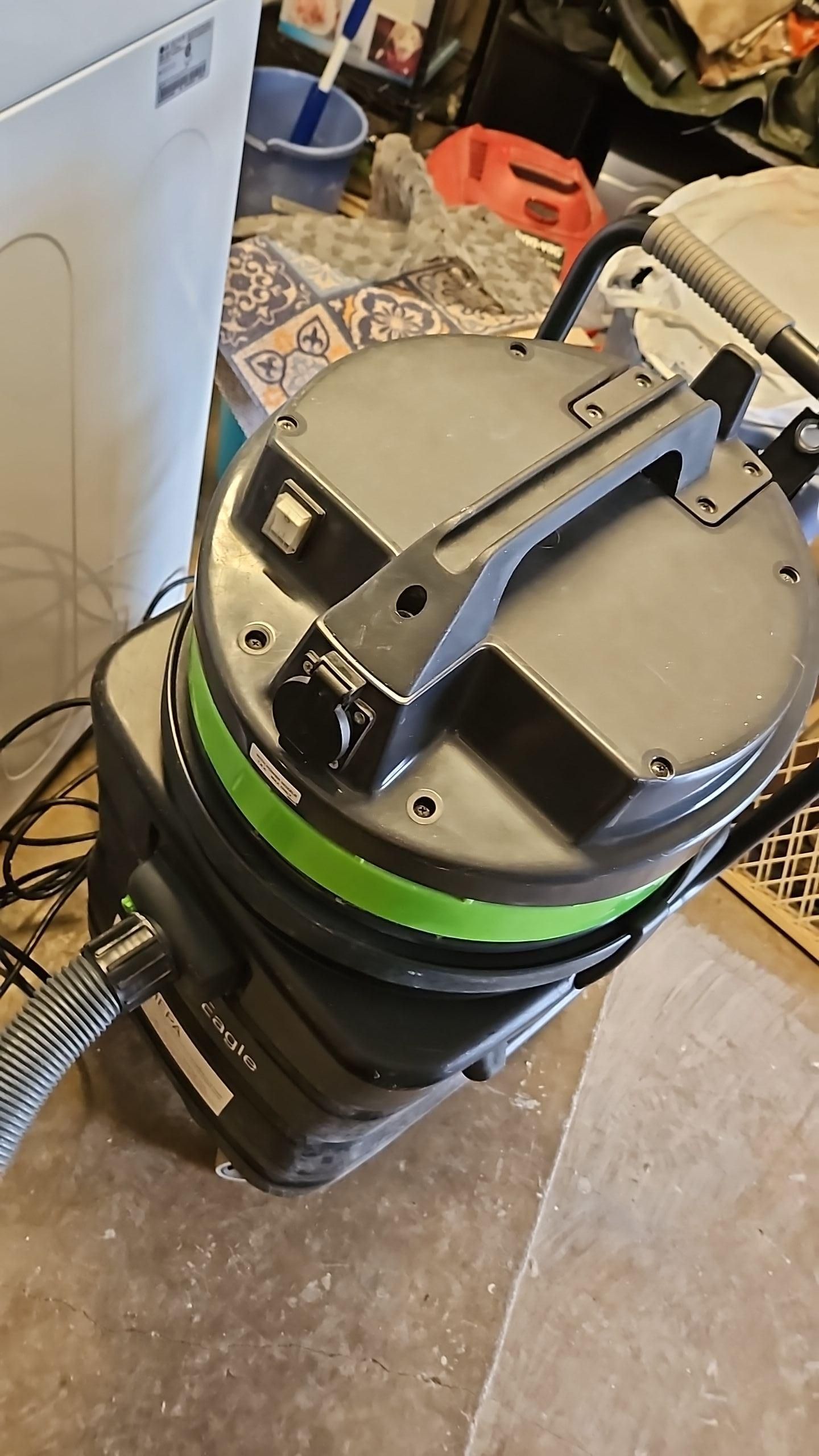
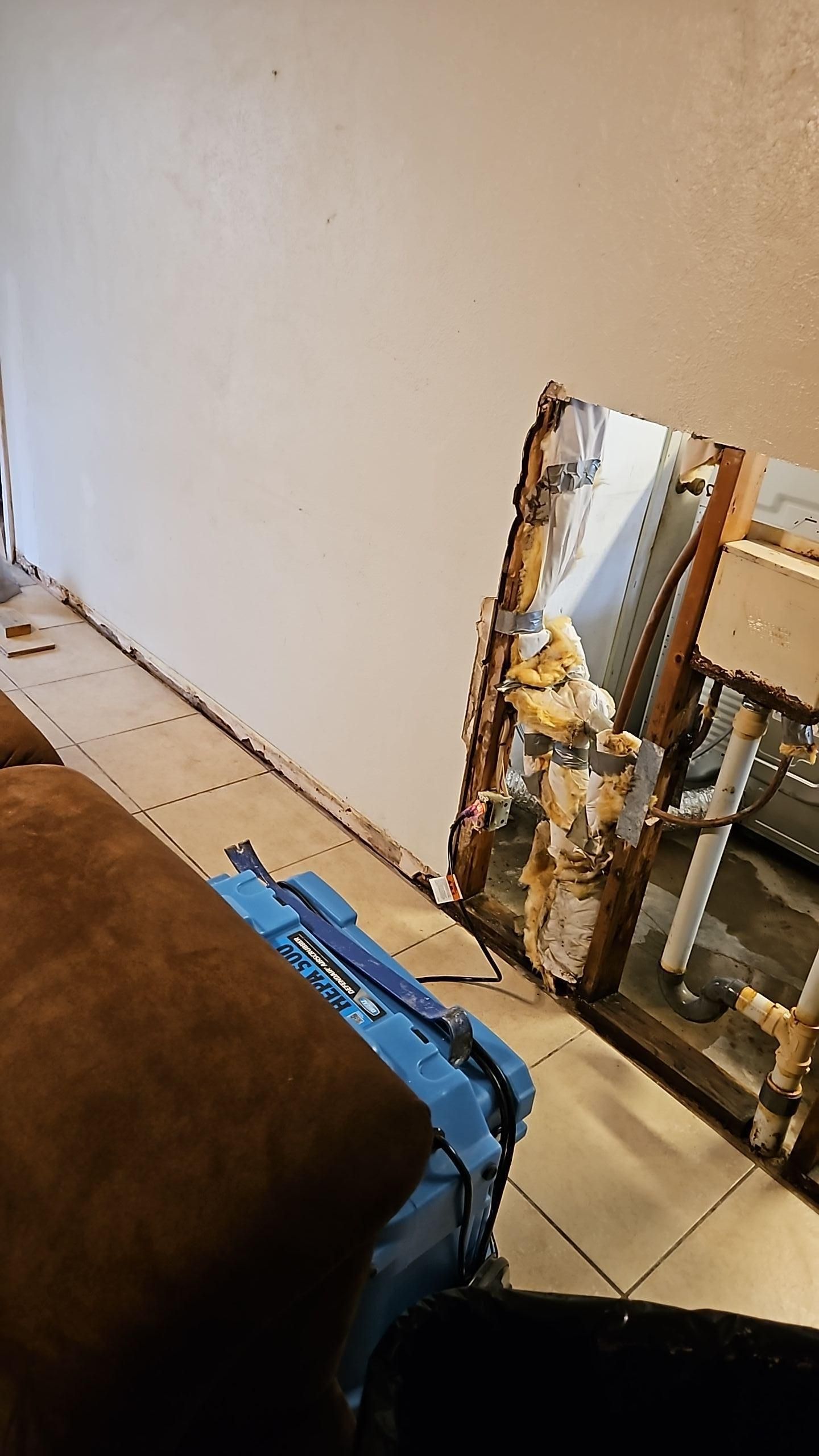
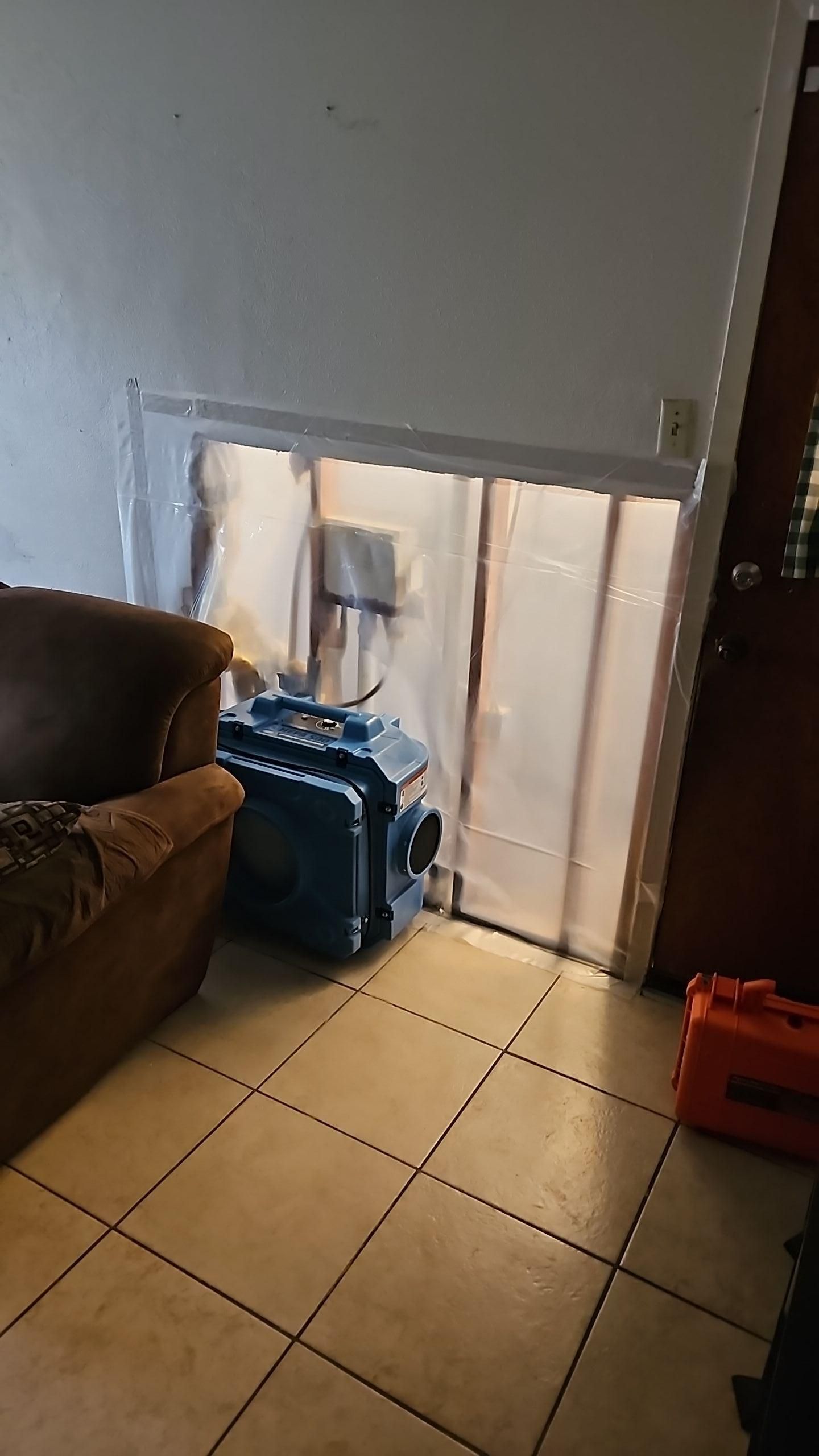
The sitting room required its own careful approach. We removed six feet of baseboard and a 5 by 4 foot section of drywall to expose the wet framing underneath. Because the rooms are adjacent and the work was being done simultaneously, we installed a containment barrier to keep debris and fine particles separated from the rest of the living space. Then we ran a HEPA vacuum through both rooms to clean up after demolition.
An air scrubber went in to keep the air quality clean throughout the drying process. The EPA notes that controlling moisture and airflow is essential in preventing mold growth after water intrusion, which is exactly why air quality management is built into our process, not treated as an optional add-on.
A Quick Look at What Went Into This Job
- Relocated washer and dryer to access garage wall
- Removed 5x4 ft section of drywall and insulation in garage
- Removed face plate for full wall cavity inspection
- Applied antimicrobial agent to a 5x5 ft area in garage
- Placed 1 dehumidifier and 1 air mover for structural drying
- Removed 6 ft of baseboard and 5x4 ft drywall in sitting room
- Installed 5x5 ft containment barrier in sitting room
- HEPA vacuumed debris in both rooms
- Placed 1 air scrubber to maintain indoor air quality
Drying equipment setup and structural restoration work underway in the garage and sitting room.
 |
 |
 |
 |
 |
 |
Why Appliance and Pipe Leaks Are a Bigger Deal Than They Look
Broken pipes behind walls and appliance leaks share one thing in common: the damage tends to run further than the visible wet spot. In a slab-foundation home like most in Pflugerville, water spreads horizontally under flooring and into adjacent walls before anyone notices. By the time there's visible staining, moisture has already been sitting there a while.
Many homeowner's insurance policies do cover sudden and accidental water damage from pipe failures and appliance leaks. If you're unsure what's covered, our team can help with documentation. For more, check out our post on handling pipe leaks and water damage.
Related Reads From Our Team
Curious about how this type of job compares to other water damage scenarios we handle? Here are a couple of case studies and guides that might be helpful. See how we handled a similar situation when a refrigerator water line leak flooded four rooms in an Austin home. And if you've just discovered water damage and aren't sure what to do next, our guide on 7 critical steps after water damage is a good starting point.
Dealing With Something Similar in Your Home?
Whether it's a pipe behind a wall, an appliance that's been leaking longer than you realized, or something you just can't quite identify, speed matters. The longer moisture sits in framing and drywall, the more damage it can do. Our team at Texas Certified Restoration offers residential water damage restoration with 24/7 availability. We're IICRC-certified and have more than a decade of combined industry experience, so we know what we're looking at from the moment we walk in.
Don't Wait on Water Damage
Water damage doesn't slow down on weekends or evenings. The sooner it's addressed, the better the outcome. If you're in Pflugerville, the Greater Austin area, or anywhere in Bell, Travis, or Williamson County, we're ready to respond.
- 24/7 emergency response
- IICRC-certified technicians
- Insurance claim assistance
- Residential and commercial properties

Tracy King
About The Author:
Tracy King, of Texas Certified Restoration, brings over 10 years of combined industry experience to the disaster restoration field. Since the founding of the company, Tracy has been committed to providing professional and dependable restoration services to homeowners and businesses throughout the Greater Austin area. With a passion for helping clients navigate the challenges of water damage, fire damage, and other disaster-related situations, Tracy leads a certified team dedicated to delivering quality service that helps families and businesses resume normal life after unexpected emergencies.
Read More: