7 Critical Steps After Water Damage Strikes Your Home
Updated on: March 17, 2026
Author: Tracy King
Finding water pooling in your home is one of those heart-sinking moments no homeowner wants. Whether it's a burst pipe, an overflowing appliance, or storm damage, those first few hours are critical. The actions you take immediately after discovering water damage can mean the difference between a manageable repair and a full-scale restoration project. At Texas Certified Restoration, our IICRC-certified team has helped hundreds of families across the Greater Austin area navigate these situations, and professional water damage restoration always starts with knowing what to do right away.
Step 1: Stay Safe First
Before rushing to save your belongings, assess the safety situation. Water and electricity are a dangerous combination.
If there's significant flooding, turn off electricity at the breaker box before entering the affected area. Can't reach the breaker safely? Stay out and call your utility company. Keep kids and pets away from the water, especially if you suspect contamination from sewage or flooding.
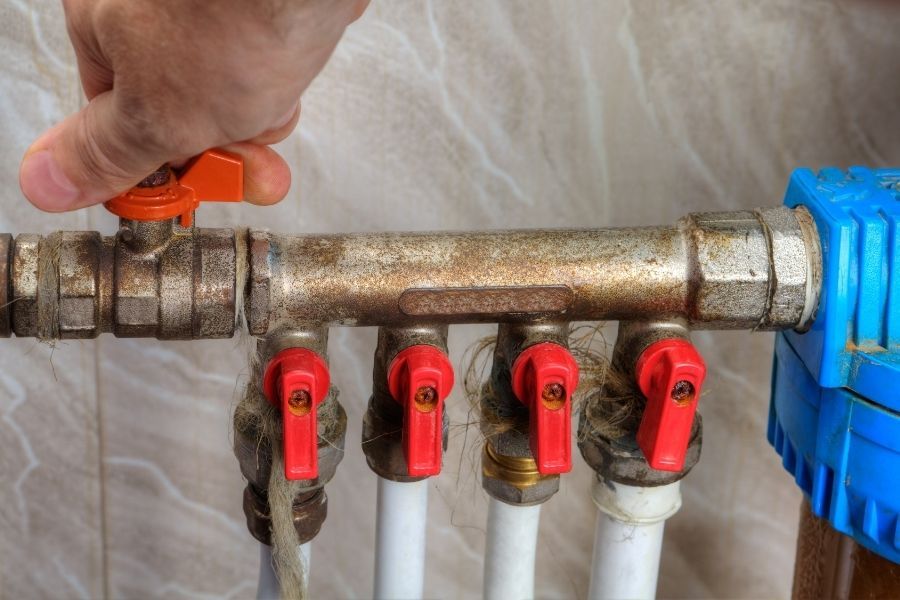
Knowing where your water shutoff valve is located can save you thousands in damage.
Step 2: Stop the Water Source
Once it's safe, stop more water from entering your home. If the water is coming from a burst pipe or faulty appliance, shut off the water supply to that fixture or turn off your main water valve. Every home in the Austin area has a main shutoff, usually near where the water line enters your house. For roof leaks, use tarps or buckets temporarily until repairs can be made.
Dealing with Water Damage Right Now?
Our 24/7 emergency team serves Round Rock, Cedar Park, Georgetown, and all of Travis, Williamson, and Bell Counties.
Get Emergency Help NowStep 3: Call a Water Damage Restoration Company
Here's where many homeowners make a costly mistake: they think they can handle it themselves. Water damage restoration requires specialized equipment most people don't have.
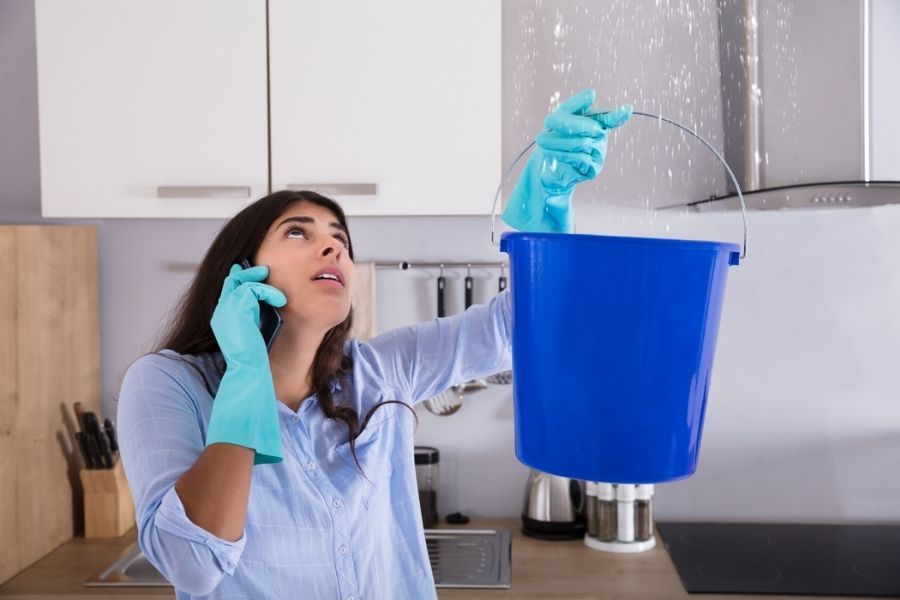
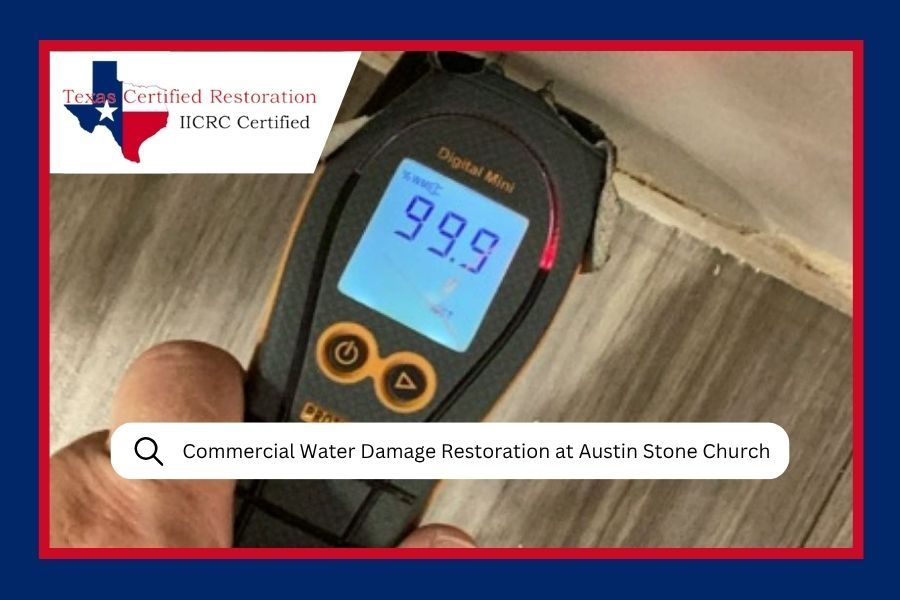
Professional technicians use moisture meters to detect hidden water that homeowners would miss.
According to FEMA, mold can begin growing within 24 to 48 hours after water exposure. Professional restoration companies have industrial dehumidifiers, air movers, and moisture detection equipment to prevent this. They can also identify water hiding behind walls and under flooring. When choosing a company, look for IICRC certification and ask if they handle insurance claims directly.
Step 4: Document Everything for Insurance
Before moving anything, grab your phone and document the damage thoroughly. Your insurance company will need this evidence.
Documentation Checklist
| Task | Why It Matters |
|---|---|
| Take wide-angle photos of each room | Shows overall scope of damage |
| Record video walkthrough | Provides context photos can't capture |
| Note date, time, and water source | Creates timeline for adjusters |
| Save all emergency purchase receipts | May be reimbursable expenses |
Understanding what your Texas homeowners insurance covers can help you navigate the claims process confidently.
Step 5: Remove Standing Water Safely
If it's safe and you're waiting for professionals, you can start removing standing water using mops, towels, or a wet/dry vacuum. However, only attempt this if the water appears clean. If there's any chance the water is contaminated from sewage or floodwater, leave it to professionals. This Category 3 "black water" contains dangerous pathogens requiring specialized handling.
Step 6: Protect Your Belongings
Move furniture away from wet areas by placing aluminum foil or wooden blocks under legs. This prevents staining and moisture wicking into upholstery. Remove area rugs, important documents, and electronics from the affected zone. One important tip: don't throw anything away until your insurance adjuster has seen it.
Step 7: Start Preventing Mold Growth
Mold is the silent enemy after water damage. According to the EPA, controlling moisture is key to controlling mold.
Increase air circulation by running fans and opening windows. Use a dehumidifier if you have one. Keep air conditioning running to reduce humidity. Don't use heaters to speed drying, as warmth actually accelerates mold growth. For more details on what to expect, see our guide on water damage restoration timeframes.
Important: If you notice musty smells or see mold growth, don't disturb it. Disturbing mold releases spores into the air. Let professionals handle mold remediation safely.
Once restoration professionals arrive, they'll assess damage using moisture meters and thermal imaging, then create a drying plan specific to your home. Most water damage mitigation takes three to five days for the drying phase. Remember, water damage doesn't have to become a disaster. By following these seven steps and acting quickly, you're giving your home the best chance for complete recovery. If you're in the Round Rock area or anywhere in Travis, Williamson, or Bell County, our team is available 24/7 to help.
Frequently Asked Questions
How long before water damage becomes permanent?
The first 24 to 48 hours are most critical. Drywall absorbs water within minutes, wood flooring warps within hours, and mold colonization typically becomes significant after 48 hours. This is why restoration professionals emphasize fast emergency response.
Should I turn off my HVAC after water damage?
If water entered your HVAC system or ductwork, turn it off immediately to prevent spreading moisture throughout your home. If the damage is isolated and your system is unaffected, keeping AC running can help reduce humidity levels.
Can household fans replace professional drying equipment?
No. Household fans help with surface drying but can't properly dry building materials or remove moisture from wall cavities. Professional air movers create high-velocity airflow, while commercial dehumidifiers remove many gallons daily. Using only household equipment often leads to hidden moisture problems.
Will homeowners insurance cover water damage?
Most policies cover sudden and accidental water damage like burst pipes. Damage from gradual leaks or flooding typically requires separate coverage. Contact your insurance company immediately and document everything. Many restoration companies work directly with adjusters to streamline claims.
Don't Let Water Damage Take Over Your Home
Our IICRC-certified team responds 24/7 throughout the Greater Austin area.
Contact Our Team Today
Tracy King
About The Author:
Tracy King, of Texas Certified Restoration, brings over 10 years of combined industry experience to the disaster restoration field. Since the founding of the company, Tracy has been committed to providing professional and dependable restoration services to homeowners and businesses throughout the Greater Austin area. With a passion for helping clients navigate the challenges of water damage, fire damage, and other disaster-related situations, Tracy leads a certified team dedicated to delivering quality service that helps families and businesses resume normal life after unexpected emergencies.
Read More: