
7 Red Flag Signs Your Home Needs Emergency Water Services
Updated on: May 19, 2026
Author: Tracy King
Water damage rarely announces itself with a dramatic flood. More often, it creeps in quietly: a stain here, a smell there, a floor that suddenly feels soft underfoot. By the time most homeowners notice something is wrong, the damage has been building for days. At Texas Certified Restoration, we respond to emergency water damage calls across the Greater Austin area every week. The homeowners who call us quickly almost always come out ahead. Faster action means less structural damage and lower restoration costs.
This guide covers seven specific signs that your home needs professional emergency water services right now. If you spot even one of these, pick up the phone.
Seeing warning signs at home? Don't wait to find out how bad it is.
See Our Storm Damage ServicesWhy Timing Matters With Water Damage
Water is patient. It soaks into drywall, settles into wall cavities, and works its way under flooring. Within 24 to 48 hours of untreated water exposure, conditions become favorable for material deterioration and air quality problems. What starts as a contained leak can turn into a full-wall tearout if it goes unaddressed.
Central Texas adds its own layer of risk. Our clay soils don't drain well, and when heavy storms roll through, water can push in through slab foundations in ways that catch homeowners off guard.
The 7 Red Flag Signs Your Home Needs Emergency Water Services
1. Water Is Still Actively Entering the Home
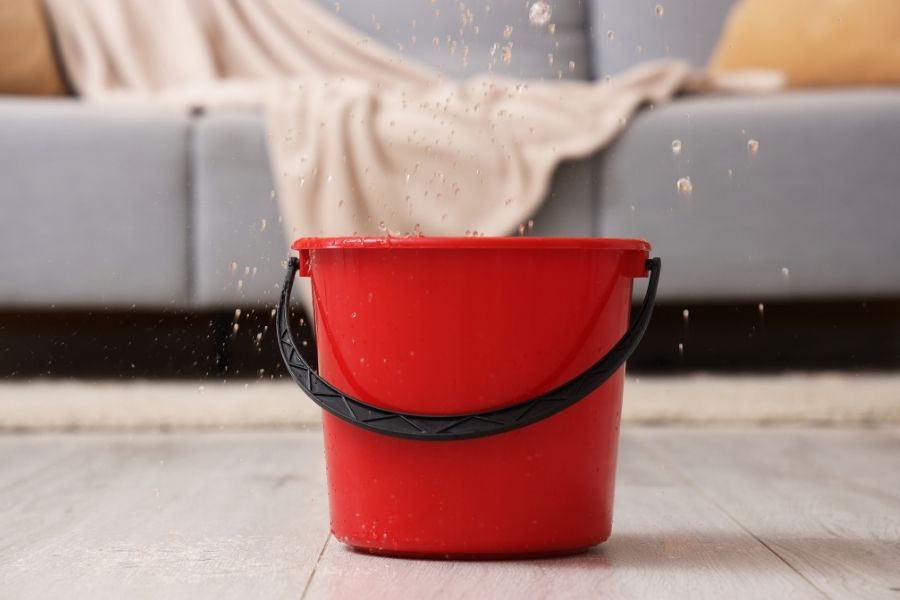
If water is still coming in, you need professional help immediately. Whether it's a burst pipe, a roof breach during a storm, or water pushing through the slab, ongoing intrusion causes damage at a rate that outpaces anything a homeowner can manage with towels and fans. The source needs to be identified and stopped, and that requires equipment and training most people don't have.
2. Standing Water on Your Floors
Even a thin layer of standing water is serious. It gets under flooring fast, including hardwood, LVP, tile grout lines, and the subfloor beneath all of them. Once the subfloor is saturated, you're often looking at full replacement rather than simple drying. If the water is gray or discolored, call for help even faster. That can indicate contamination requiring specialized handling.
3. Visible Water Stains or Discoloration on Walls and Ceilings
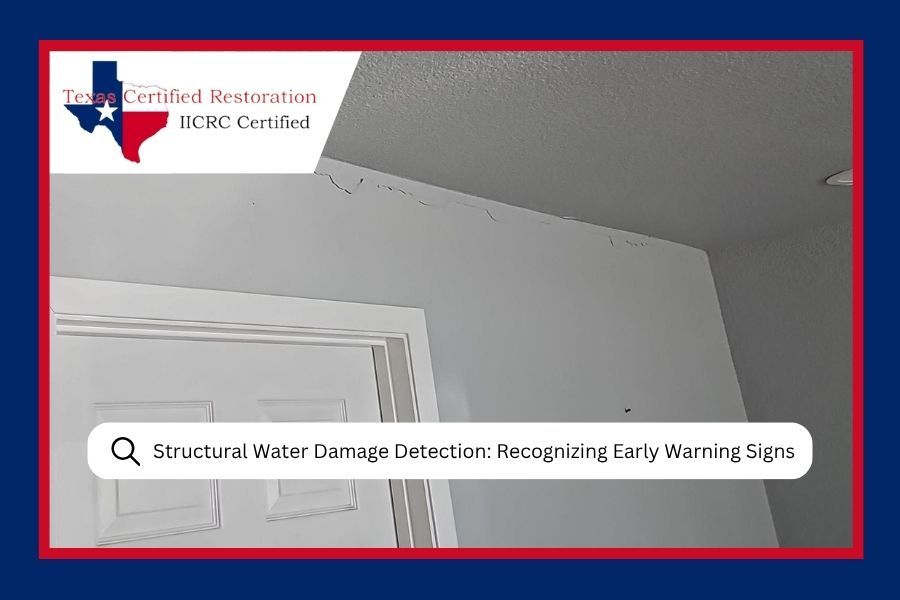
Brown or yellow staining on a ceiling isn't just cosmetic. It means water has already soaked through the drywall above. Stains near the base of interior walls, especially after heavy rain, often point to water pushing in through the slab. That's a pattern we recognize immediately across Greater Austin homes built on slab foundations.
4. Bubbling, Warping, or Buckling Surfaces
Paint that bubbles, floors that feel spongy, baseboards pulling away from the wall: all signs that water is actively present inside or behind a surface. Buckling floors mean the subfloor has been wet long enough to shift. That's a structural concern, not just a cosmetic one, and it needs professional assessment before things get worse.
5. A Persistent Musty or Damp Odor
A musty smell after water exposure means moisture is present somewhere you can't see it. Walls, subfloors, and ceiling cavities can hold moisture for weeks without visible signs, and that moisture degrades building materials and affects indoor air quality over time. According to the EPA's guide on mold and moisture, controlling moisture is the key to controlling the air quality problems that follow water intrusion. Don't mask the smell with air fresheners. That approach almost always leads to a bigger job later.
6. Wet Insulation, Drywall, or Ceiling Tiles
These materials don't dry on their own. Wet insulation holds moisture for weeks. Saturated drywall softens and often needs to be cut out rather than dried in place. Our technicians use moisture meters and thermal imaging to locate exactly where water has traveled. Water almost always spreads farther than visible damage suggests.
7. Water Damage After a Freeze or Burst Pipe Event
Central Texas doesn't see freezing temperatures often, but when it does, uninsulated pipes in attics, exterior walls, and garages are especially vulnerable. A burst pipe can release a large amount of water into a home in a short period, affecting multiple rooms at once. We've handled burst pipe jobs in Round Rock and Cedar Park where water traveled from an upper-floor pipe failure all the way to the slab before anyone noticed. That kind of hidden travel is exactly why professional flood damage restoration services matter in these situations.
At-a-Glance: Signs Summary
| # | Red Flag | Urgency |
|---|---|---|
| 1 | Active water entering the home | Call Now |
| 2 | Standing water on floors | Call Now |
| 3 | Stains on walls or ceilings | Same Day |
| 4 | Bubbling, warping, or buckling surfaces | Same Day |
| 5 | Persistent musty or damp odor | Same Day |
| 6 | Wet insulation, drywall, or ceiling tiles | Same Day |
| 7 | Water damage after freeze or burst pipe | Call Now |
What To Do When You Spot These Signs
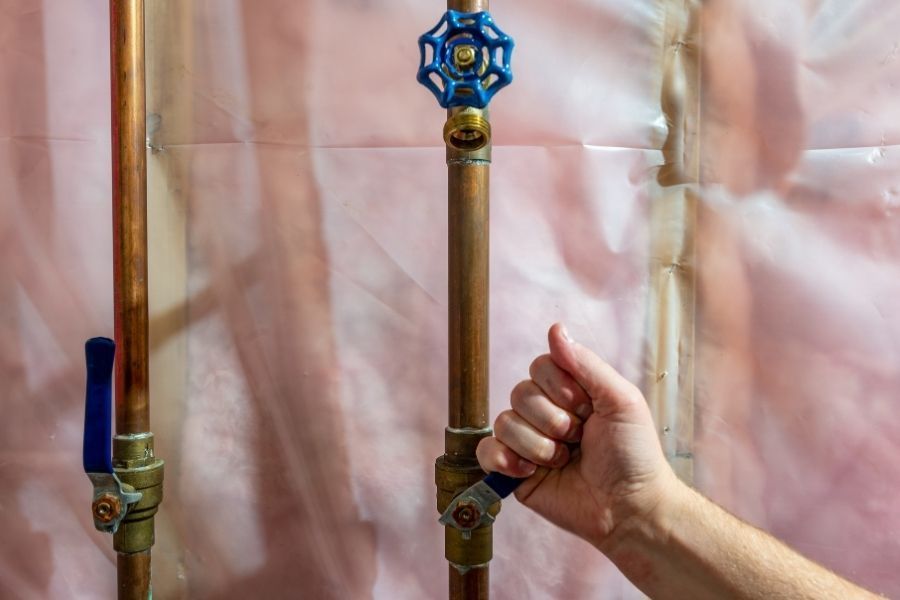
While you wait for help, run through this quick checklist:
- Shut off the water source at the main valve if a plumbing failure is involved
- Turn off electricity to affected rooms at the breaker, if it's safe to reach
- Move valuables and documents away from wet areas
- Do not run fans or the HVAC until a professional assesses the situation
- Photograph everything before moving anything, for insurance documentation
- Avoid walking through standing water near electrical systems
Your homeowner's insurance may cover emergency water services. Sudden damage from a burst pipe or appliance failure is often covered; long-term seepage typically is not. Document everything early and contact your insurer. Our post on whether homeowners insurance covers water damage walks through what to expect.
We've also covered the long-term consequences of delayed water damage repairs, and the pattern is clear: every hour of delay lets water travel farther and costs climb higher. Calling sooner almost always costs less.
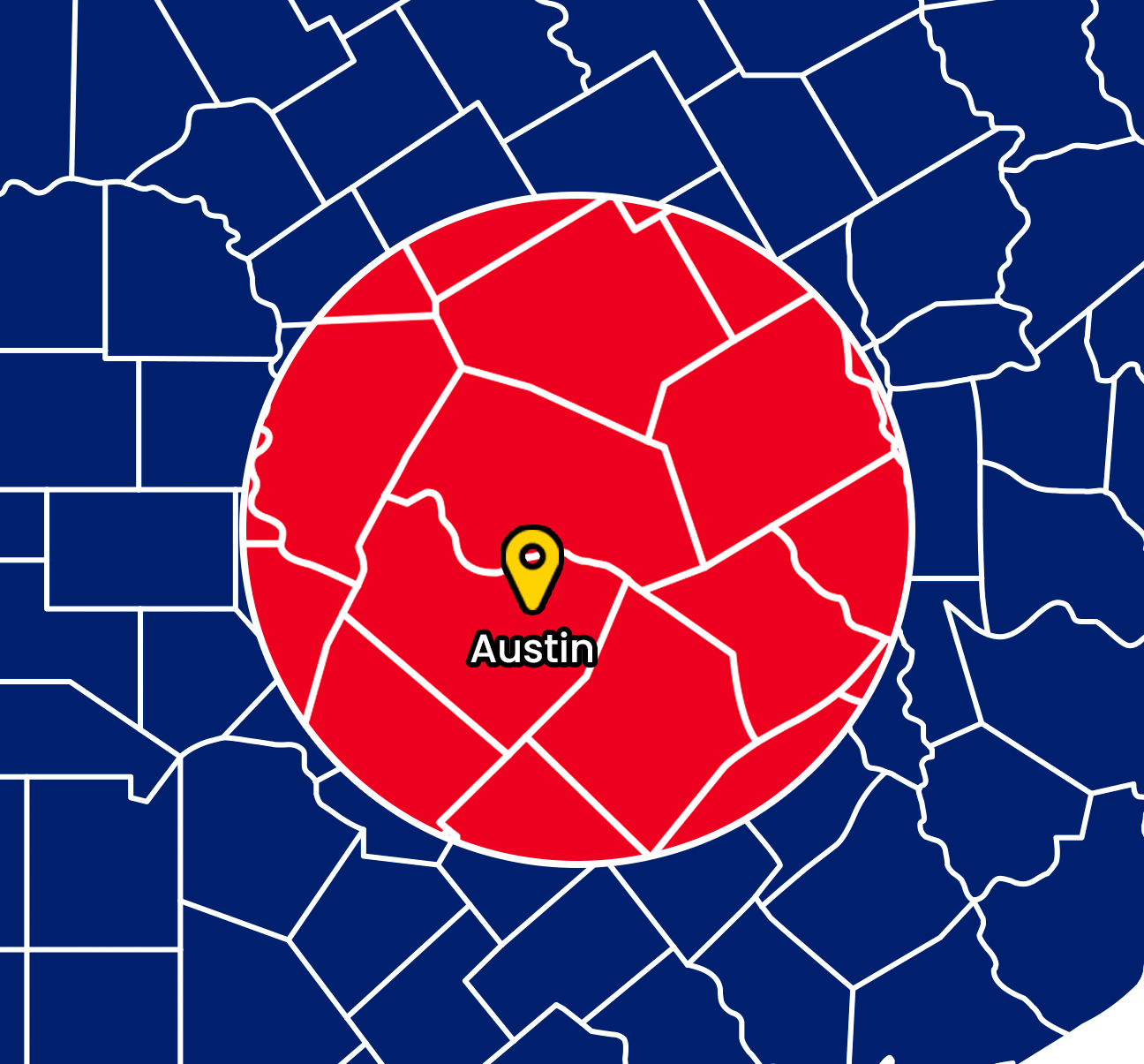
At Texas Certified Restoration, our IICRC-certified technicians are available 24 hours a day, 7 days a week. We serve Round Rock, Cedar Park, Georgetown, Leander, Pflugerville, and communities throughout the Greater Austin area. Not sure if your situation is serious enough to call? Call anyway. We'd rather help you figure that out than have you wait and regret it.
Water damage doesn't wait. Neither should you. Our team is available 24/7 across the Greater Austin area.
Get Help TodayFrequently Asked Questions
How quickly does water damage become an emergency?
Within 24 to 48 hours. Materials like drywall, insulation, and wood framing absorb moisture fast, and the longer they stay wet, the worse the damage gets. Treat any active water intrusion as an emergency.
What does emergency water damage restoration include?
Professional water extraction, structural drying with industrial air movers and dehumidifiers, moisture mapping to locate hidden water, and insurance documentation support. IICRC-certified technicians follow industry standards throughout.
Can I dry out water damage myself with fans and a dehumidifier?
Consumer equipment dries visible surfaces but leaves moisture trapped inside walls and subfloors. Professional gear removes moisture from structural materials far more thoroughly, preventing the hidden damage that shows up weeks later.
Does Texas Certified Restoration handle both burst pipe damage and storm flooding?
Yes. We respond to all water damage emergencies across the Greater Austin area, including burst pipes, appliance failures, roof leaks, and storm flooding. Our team is available 24/7 and works with homeowner's insurance throughout.

Tracy King
About The Author:
Tracy King, of Texas Certified Restoration, brings over 10 years of combined industry experience to the disaster restoration field. Since the founding of the company, Tracy has been committed to providing professional and dependable restoration services to homeowners and businesses throughout the Greater Austin area. With a passion for helping clients navigate the challenges of water damage, fire damage, and other disaster-related situations, Tracy leads a certified team dedicated to delivering quality service that helps families and businesses resume normal life after unexpected emergencies.
Read More: