Water Damage Cleanup: When to DIY vs Hire Professionals
Updated on: May 5, 2026
Author: Tracy King
Water is pooling in your kitchen. Maybe your water heater just gave up, or a pipe under the bathroom sink decided today was its last day. Your first instinct is probably to grab some towels and get to work. But here's the real question: is that the right call? At Texas Certified Restoration, we've responded to hundreds of water damage situations across the Greater Austin area, and we'll tell you honestly: sometimes DIY is fine, and other times it turns a manageable problem into a much bigger one. Whether you're dealing with a small spill or standing water after a Texas storm, knowing when to handle it yourself versus calling for professional water damage restoration could save your home from serious long-term damage.
Not sure what you're dealing with?
Our IICRC-certified team is available 24/7 across Round Rock, Austin, Cedar Park, and surrounding areas. We'll give you a straight answer.
Get Help TodayWhen DIY Water Damage Cleanup Makes Sense
Not every water incident requires a restoration crew. Small, contained spills can be managed on your own as long as you move fast. The window for safe DIY cleanup is shorter than most people expect.
Situations Where You Can Handle It
DIY cleanup is reasonable when all of these apply:
- The water source is clean (a supply line, a faucet, a fresh pipe break)
- The affected area is small, under 10 square feet
- You caught it within a few hours of it happening
- Water has not touched drywall, insulation, or subfloor
- No structural damage or electrical hazards are nearby
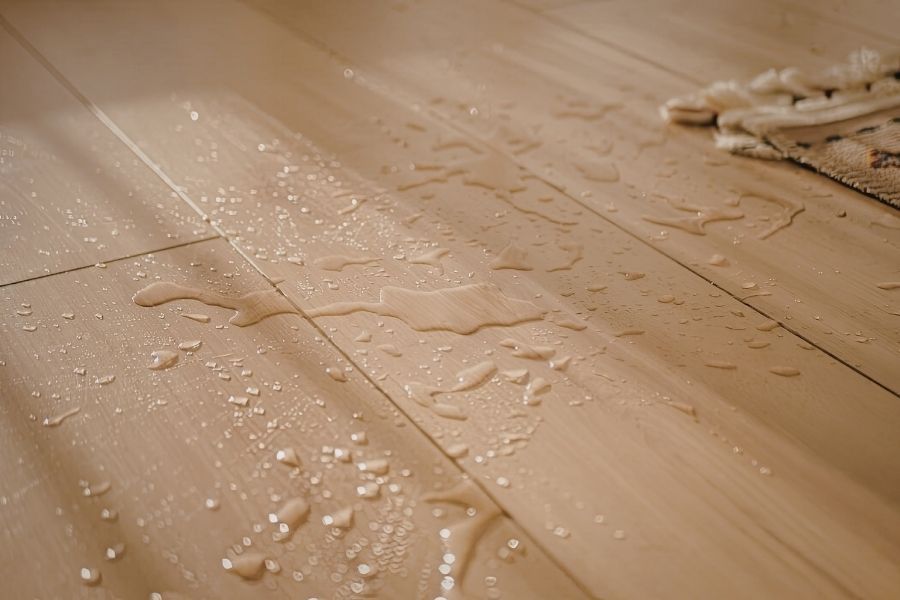
Think: a slow drip from your refrigerator's water line that soaked a small section of tile. You dry it, check beneath the flooring, monitor for a few days. That's a reasonable DIY situation.
What "Quick" Actually Means
Mold growth can begin within 24 to 48 hours. According to the EPA, controlling moisture quickly is the single most important step in preventing mold problems. If you can fully dry the area in that window, you're likely fine. If you can't, call a professional.
Quick Decision Guide: DIY or Call a Pro?
| Ask Yourself... | Yes | No |
|---|---|---|
| Is the water source clean (no flooding, no sewage)? | DIY possible | Call a Pro |
| Is the affected area under 10 sq ft? | DIY possible | Call a Pro |
| Did you catch it within a few hours? | DIY possible | Call a Pro |
| Is only a hard, non-porous surface affected? | DIY possible | Call a Pro |
Any "No" answer means hidden moisture is a real risk. Don't wait to find out the hard way.
When You Need to Call a Professional
Several scenarios exist where DIY cleanup isn't just ineffective but actively harmful to your home. Skipping professional help tends to create problems far more expensive than the original event.
Storm Flooding and Rainwater Intrusion
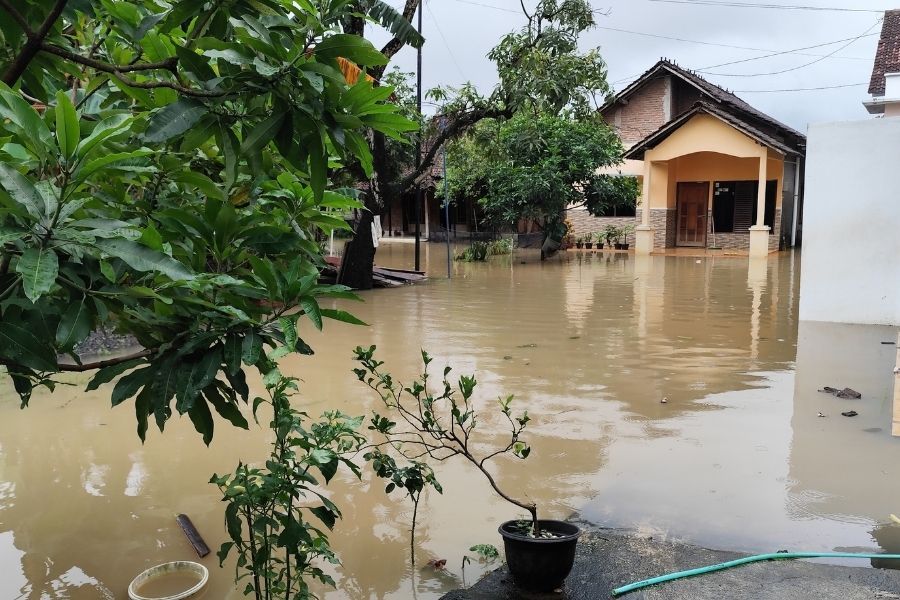
Central Texas sits in what's often called Flash Flood Alley. When stormwater enters a home, it carries contaminants from the ground, outdoor chemicals, and whatever was in your yard or street. This is classified as grey or black water, and it requires professional extraction, disinfection, and drying. A shop vac won't handle it. Learn more about what flood damage restoration actually involves before attempting it yourself.
Water Behind Walls or Under Your Floors
Texas homes are built on slab foundations, meaning moisture under flooring has nowhere to drain naturally. Soft spots, buckling laminate, or a musty smell days after a leak suggest water has migrated into your subfloor. Fans and towels can't reach it. If you've spotted any warning signs of water damage in your home, get it checked soon.
Hidden Leaks from AC Units or Pipes
Slow, hidden leaks are some of the most damaging. An AC drain line dripping inside a wall for weeks can saturate insulation and framing without leaving a single visible puddle. By the time you notice damage, it's already widespread.
DIY vs. Professional: A Side-by-Side Breakdown
Here's a practical look at what you can realistically do at home versus what professionals bring to the job.
Factor DIY Professional Restoration Equipment Fans, towels, shop vac Industrial dehumidifiers, air movers, moisture meters Moisture Detection Visual only Thermal imaging through walls and floors Mold Prevention Not guaranteed Antimicrobial treatment plus moisture monitoring Insurance Documentation Difficult to prove scope Detailed moisture logs, photos, written reports Best For Small, contained spills on hard surfaces Larger events, contaminated water, any hidden moistureThe Hidden Risks of Going It Alone
Most people underestimate water damage not because they're careless, but because it's sneaky. The surface dries, it looks fine, but inside the wall moisture is still doing quiet damage.
The CDC notes that damp and moldy environments can cause respiratory issues, especially for those with existing health conditions. Mold inside walls often isn't visible until it's become a significant problem. Professional drying eliminates those conditions before mold takes hold.
There's also the insurance angle. Adjusters want proof that remediation was thorough. The long-term consequences of delayed water damage repairs are almost always more expensive than acting quickly.
What Professional Water Damage Cleanup Actually Involves
Professional restoration isn't just showing up with bigger fans. It's a documented process built around drying science and IICRC industry standards. Here's what our team does on every job:
- Assessment: Identify the water source, category, and all affected materials.
- Extraction: Industrial extractors remove standing water far faster and more completely than any household tool.
- Moisture mapping: Thermal cameras and moisture meters locate hidden water in walls, floors, and ceilings.
- Structural drying: Commercial air movers and dehumidifiers run until moisture readings return to safe baselines, typically three to five days.
- Antimicrobial treatment: Affected surfaces are treated to prevent mold growth during and after drying.
- Documentation: A complete drying log and photo record is provided, which your insurance company will need.
At Texas Certified Restoration, our IICRC-certified team follows this process on every job, from a pipe leak in Leander to a multi-room flooding event in Round Rock. We're available 24/7 across Williamson, Travis, and Bell counties. While you wait for help, review the critical steps to take after water damage strikes so you know exactly what to do right now.
Ready to get a professional assessment?
Our team responds around the clock for water damage emergencies across the Greater Austin area. IICRC-certified professionals with 10+ years of combined experience.
Contact Our TeamFrequently Asked Questions
Can I use regular fans to dry out water damage on my own?
Regular fans help with surface drying on hard floors, but they won't remove moisture from inside walls, under flooring, or within porous materials. An area can look completely dry while hidden moisture is still creating conditions for mold or structural damage.
How long do I have to clean up water damage before mold becomes a concern?
Mold can start growing within 24 to 48 hours. That window shortens during Central Texas's warm, humid months. If you can't fully dry and verify the area within that timeframe, calling a professional is the safer path.
Does homeowners insurance cover professional water damage cleanup?
Many homeowners policies cover sudden, accidental damage from a burst pipe, failed water heater, or AC leak. Gradual leaks or stormwater flooding typically require separate coverage. Professional documentation gives adjusters what they need to process your claim properly.
What water damage situations always require professional help?
Call a professional when the water came from a contaminated or outdoor source, the area exceeds 10 square feet, water sat for more than 24 hours, or moisture reached drywall or insulation. These situations carry risks that household tools simply can't address.

Tracy King
About The Author:
Tracy King, of Texas Certified Restoration, brings over 10 years of combined industry experience to the disaster restoration field. Since the founding of the company, Tracy has been committed to providing professional and dependable restoration services to homeowners and businesses throughout the Greater Austin area. With a passion for helping clients navigate the challenges of water damage, fire damage, and other disaster-related situations, Tracy leads a certified team dedicated to delivering quality service that helps families and businesses resume normal life after unexpected emergencies.
Read More: