Fire Damage Restoration Duration: Realistic Timeline Expectations
Updated on: April 7, 2026
Author: Tracy King
Jump To:
When a fire tears through your home, the flames are just the start. Once the fire department leaves, you're standing in the aftermath asking one question: how long until life gets back to normal? If you're dealing with fire damage restoration in the Greater Austin area, our team at Texas Certified Restoration wants to give you honest, realistic answers. We've helped Central Texas families through this process for over a decade, and we know that setting clear expectations makes the whole recovery easier.
How Long Does Fire Damage Restoration Actually Take?
Every fire is different. A small grease fire in the kitchen is a completely different project than an electrical fire that reaches the attic. That's why timelines vary so widely.
For minor damage (smoke and soot in one room), you're usually looking at one to three weeks. Moderate damage involving a couple of rooms and some structural repair tends to fall in the four to eight week range. Severe fires that compromise your home's structure? Those can take several months or longer.
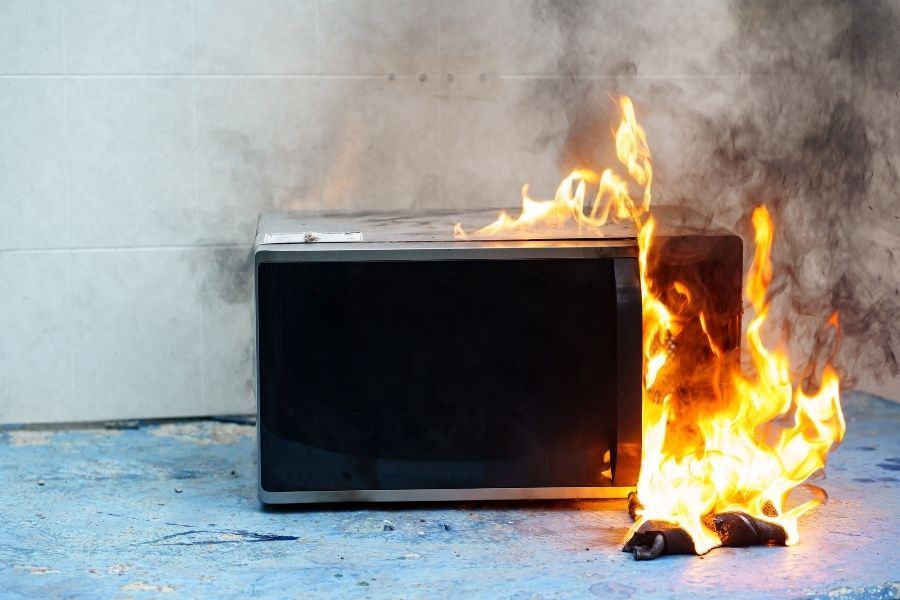
Minor fire damage like this microwave fire often involves mostly smoke and soot cleanup, typically completed in one to three weeks.
According to the U.S. Fire Administration, starting cleanup within 24 to 48 hours is critical for preventing permanent staining, mold growth, and further structural deterioration. The faster restoration begins, the shorter and less costly the process tends to be.
Dealing With Fire Damage in the Austin Area?
Our IICRC-certified team responds 24/7 and can walk you through your specific timeline.
Get Help NowKey Factors That Shape Your Fire Restoration Timeline
Severity and Spread of the Fire
This is the biggest factor. A fire that stayed in one room is a completely different project than one that traveled through walls or into the attic. Structural damage adds significant time because it requires engineering assessments, permits, and phased reconstruction.
Water Damage from Firefighting
Here's something homeowners don't always expect: the water used to put out the fire causes its own damage. Standing water soaks into drywall, flooring, and insulation, creating the perfect setup for mold if not dried properly. If you've dealt with water damage restoration before, you know how important thorough drying is. This step alone can add several days.
Smoke and Soot Contamination
Smoke doesn't stop where the fire stopped. It travels through ductwork, seeps into fabrics, and settles on surfaces throughout your home. Thorough smoke and soot removal is essential for health and livability, and can take a few days to over a week depending on spread.
Insurance Approval Speed
Your insurance company plays a bigger role in your timeline than you'd think. Claim approvals, adjuster visits, and funding authorization can add days or weeks, especially for larger claims.
🕑 Key Timeframes to Know
24-48 hrs
Critical window to start cleanup and prevent secondary damage
1-3 days
Typical assessment and property securing phase
2-7 days
Average smoke and soot cleanup duration
The Restoration Process, Phase by Phase
Fire restoration isn't one big step. It's a series of coordinated phases, each with its own timeline.
Phase 1: Emergency Assessment and Securing (1 to 3 Days)
Professionals inspect structural integrity, identify hazards like compromised wiring, and secure the property by boarding windows and tarping damaged roofing.
Phase 2: Water Extraction and Drying (2 to 5 Days)
Industrial pumps remove standing water from firefighting efforts. Then commercial dehumidifiers and air movers run around the clock. Cutting this phase short is one of the fastest ways to develop mold problems later.
Phase 3: Smoke, Soot, and Odor Removal (3 to 10 Days)
Crews deep-clean walls, ceilings, and surfaces using specialized equipment. HVAC systems get cleaned too, since smoke particles love to circulate through ductwork long after the fire is out.
Phase 4: Structural Repairs (Varies Widely)
Minor repairs like replacing drywall and repainting might take a week or two. Major structural work, including rebuilding walls, replacing roofing, and updating electrical systems, can stretch to several months.
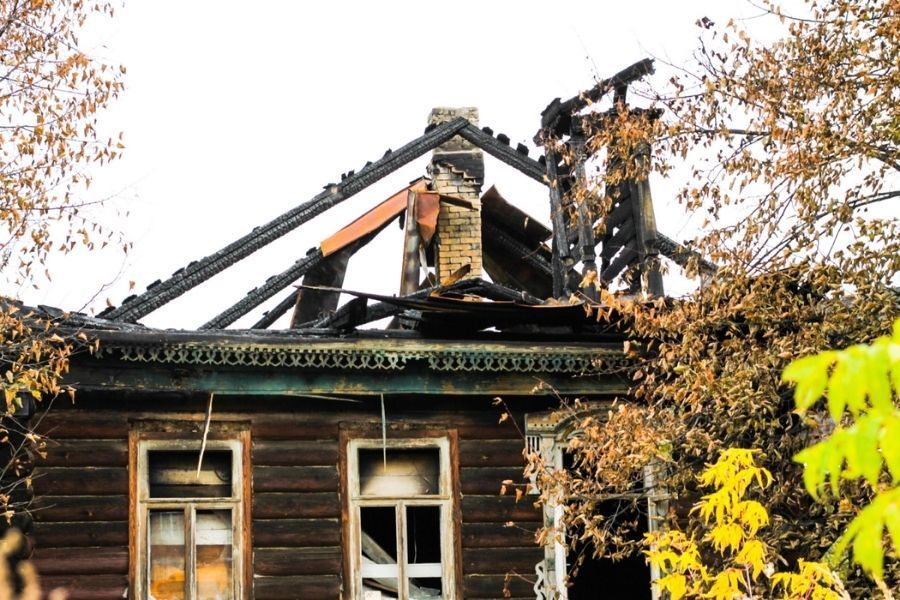
Structural repairs and reconstruction are the most time-intensive phase, especially when permits and inspections are required.
Phase 5: Final Cleaning and Walkthrough (2 to 5 Days)
A final deep clean ensures everything meets safety standards. The team verifies all work is complete and your home is ready.
Fire Damage Restoration Timeline at a Glance
| Damage Level | What's Involved | Estimated Timeline |
|---|---|---|
| Minor | Smoke/soot cleanup, minor cosmetic repairs | 1 to 3 weeks |
| Moderate | Partial structural repair, extensive cleaning | 4 to 8 weeks |
| Severe | Major rebuilding, full system replacement | 3 to 6+ months |
How to Keep Your Restoration on Track
You're not powerless here. These steps help keep things moving.
- Call a restoration company immediately. Don't wait for the adjuster. A qualified team can start emergency mitigation right away, preventing secondary damage and strengthening your insurance documentation.
- Document everything. Take photos and video of all visible damage before any cleanup begins.
- File your insurance claim the same day. Have your policy number ready and ask about temporary housing if needed.
- Stay in regular communication. Check in with your restoration team and insurance adjuster frequently.
- Choose a team experienced with insurance coordination. Our team at Texas Certified Restoration works directly with insurance providers to keep approvals moving.
For more on insurance questions, our post on whether homeowners insurance covers fire damage breaks it down. And if you're in the early hours of recovery, our first 48 hours after a house fire guide walks you through what to do right now. You may also want to review fire damage restoration pricing expectations as you plan ahead.
Ready to Start Your Recovery?
At Texas Certified Restoration, we provide fire damage restoration in Round Rock, North Austin, and the Greater Austin area, with 24/7 emergency response.
Contact Our TeamFrequently Asked Questions About Fire Restoration Timelines
Can I stay in my house during fire damage restoration?
It depends on the severity. If the fire was contained to a small area and the rest of your home has clean air, working utilities, and solid structure, you may be able to stay. Most moderate to severe situations require temporary relocation. Your restoration team and local officials will assess safety before making that call.
Why does fire restoration take longer than just the repairs?
Repairs are only one piece. Before rebuilding starts, the property needs assessment, water extraction, thorough cleaning of smoke and soot, and insurance approvals. Permits, inspections, and hidden damage discovered during demolition all add time between phases.
Does smoke damage take longer to fix than the actual fire damage?
It often does. Smoke particles travel through ductwork and settle on surfaces in rooms the fire never touched. Cleaning walls, ceilings, HVAC systems, and personal belongings is meticulous work. If smoke has penetrated soft materials like carpet and upholstery, specialized deodorization adds more time.
How soon should I call a restoration company after a fire?
As soon as the fire department clears the scene. Starting within 24 to 48 hours prevents secondary damage like mold, deeper smoke staining, and corrosion. A good restoration company can begin emergency work before insurance adjusters finish their assessment, which actually strengthens your claim.

Tracy King
About The Author:
Tracy King, of Texas Certified Restoration, brings over 10 years of combined industry experience to the disaster restoration field. Since the founding of the company, Tracy has been committed to providing professional and dependable restoration services to homeowners and businesses throughout the Greater Austin area. With a passion for helping clients navigate the challenges of water damage, fire damage, and other disaster-related situations, Tracy leads a certified team dedicated to delivering quality service that helps families and businesses resume normal life after unexpected emergencies.
Read More: