Tackling Master Closet Water Mitigation After Roof-Related Water Damage in Pflugerville, TX
Updated on: October 1, 2024
Author: Tracy King
At Texas Certified Restoration, we recently helped a residential homeowner and tackled
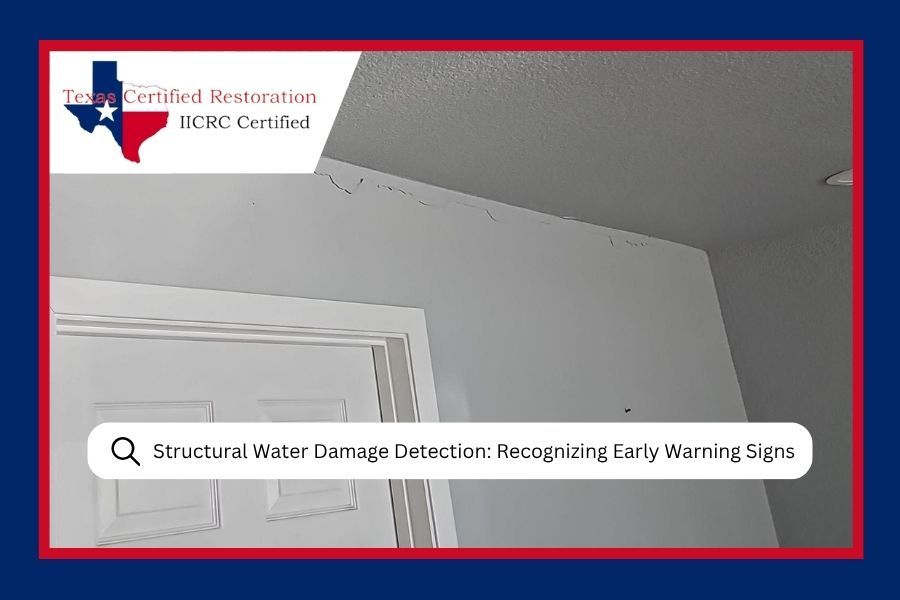
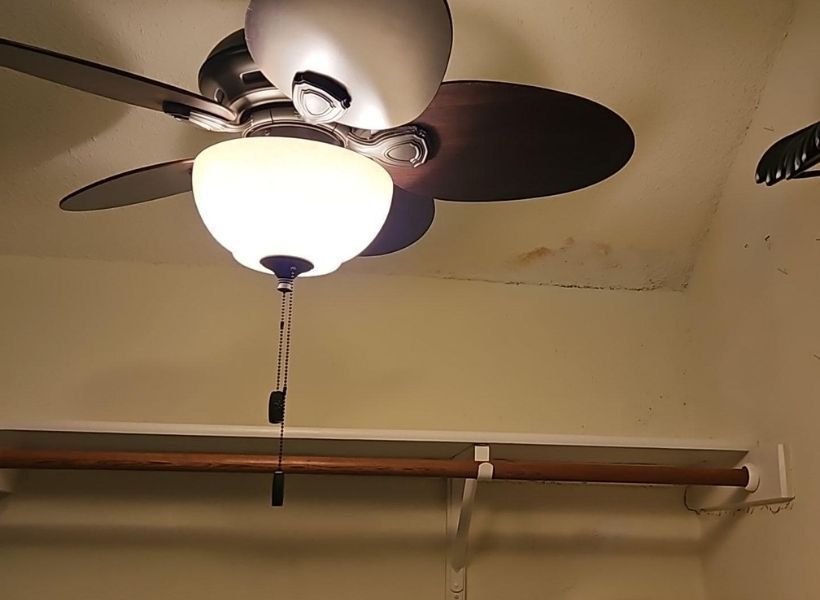
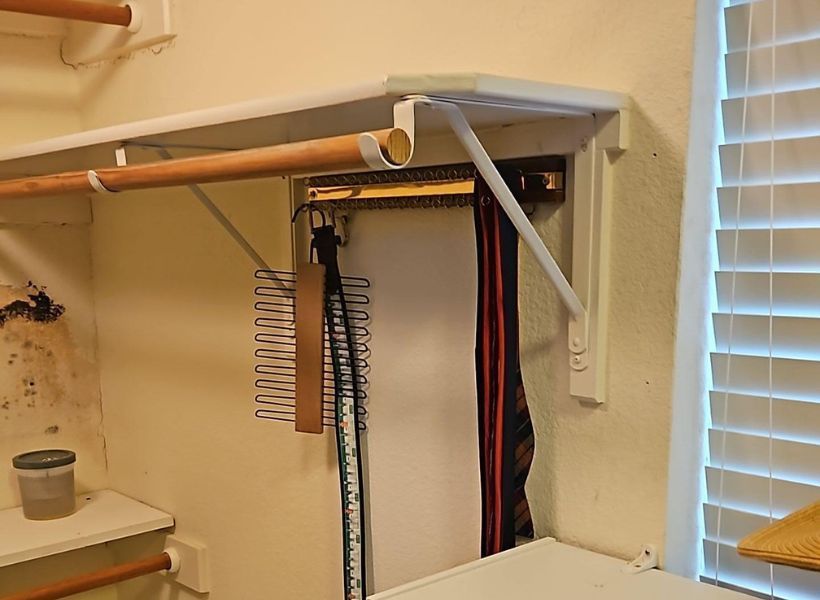
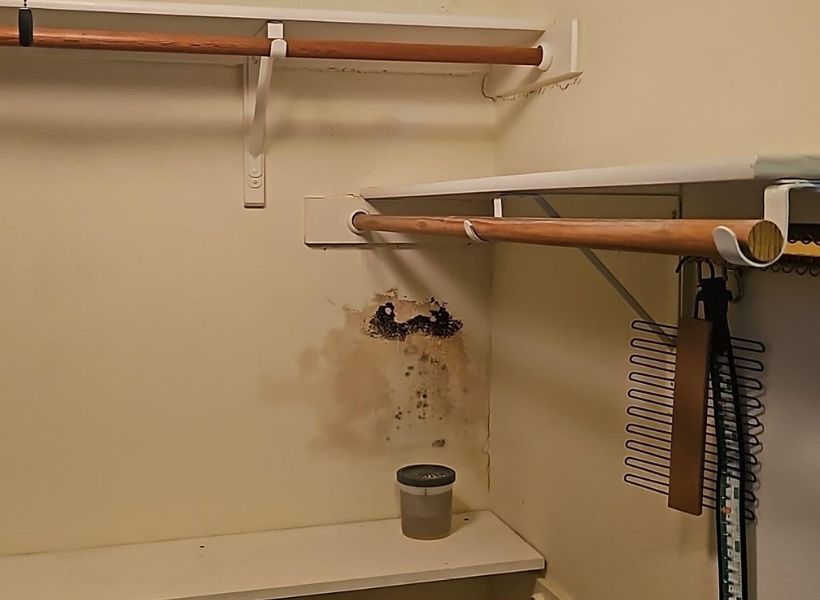
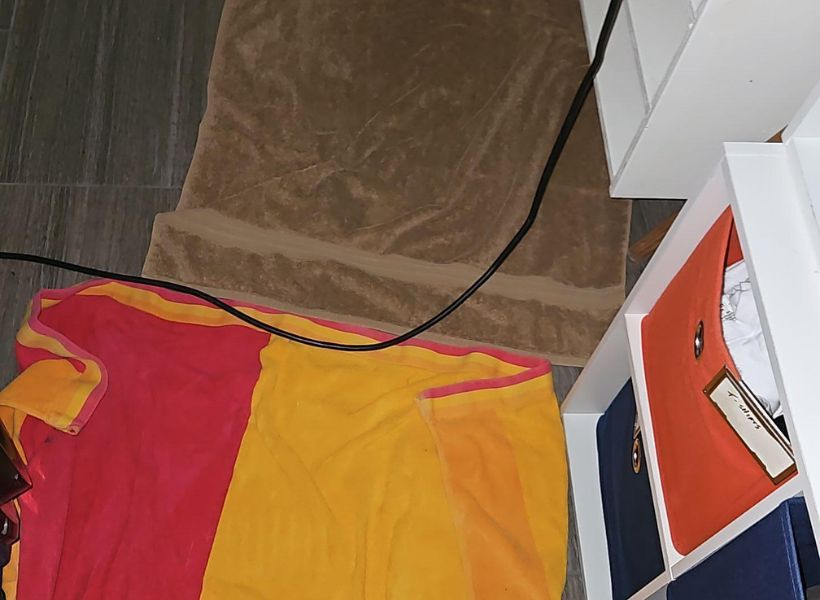
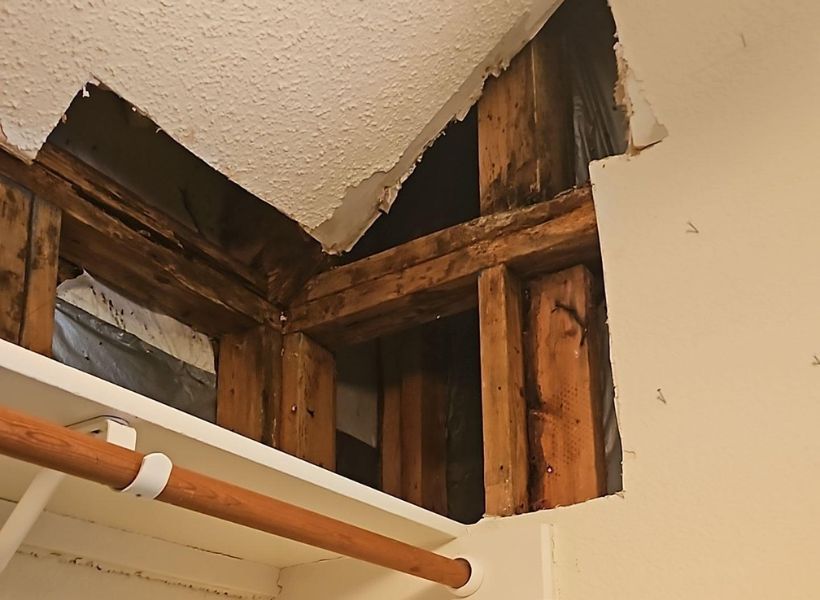
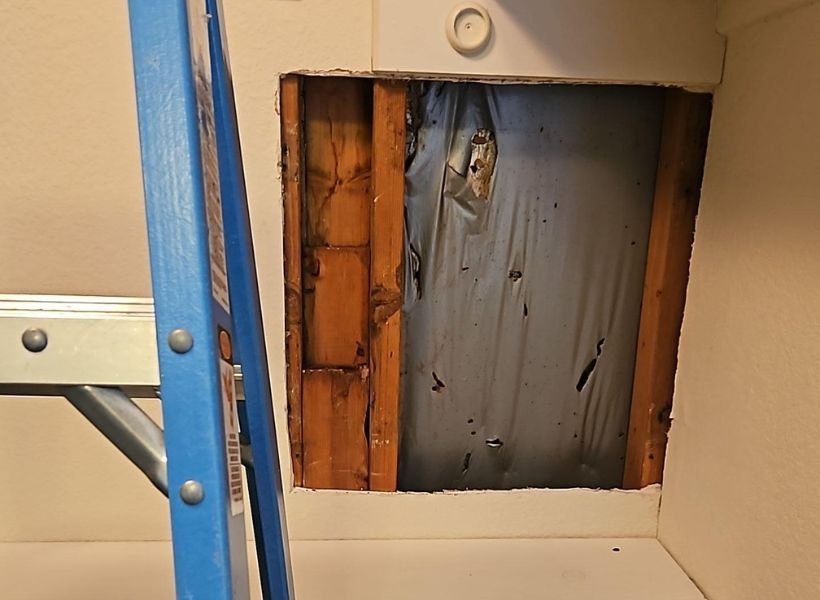
water mitigation in Pflugerville, TX. The client was dealing with roof-related water damage. Every time it rained, water would seep into their home, particularly affecting their master closet. The damage had impacted the drywall, insulation, and ceiling, but thankfully, the floor only needed to be dried out, so no major removal was necessary.
Our Process for Water Mitigation After Roof-Related Water Damage
When we arrived at the homeowner's property in Pflugerville, TX, we knew the situation required quick action to prevent further damage. The water damage caused by the roof leak had affected the master closet, and we needed to remove the wet materials and thoroughly dry out the space. Here's the step-by-step breakdown of how we handled the project:
Step 1: Assessing the Damage
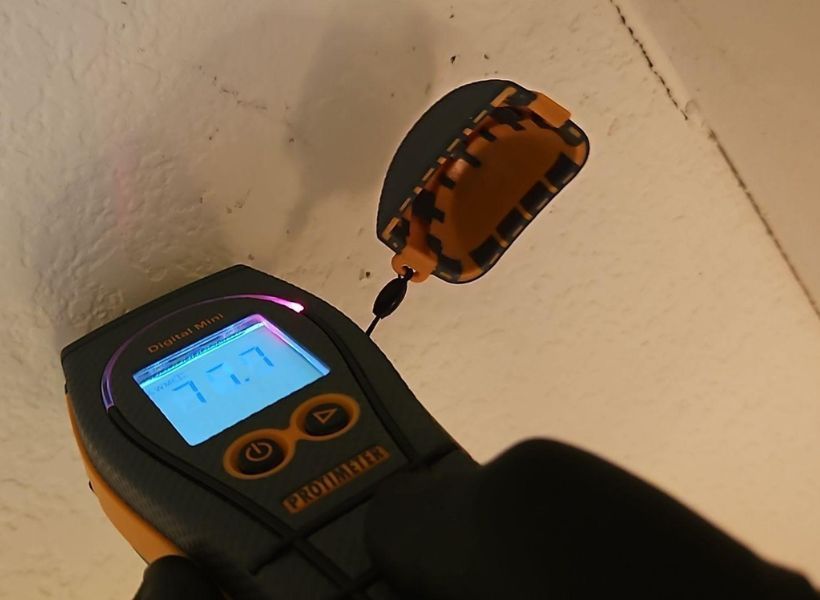
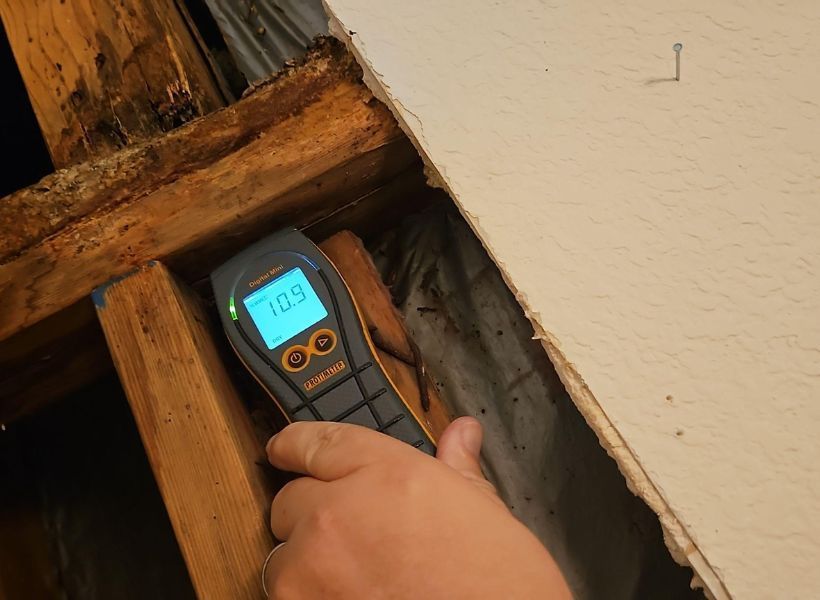
Our first task was to evaluate the extent of the water damage using a moisture meter. This tool allowed us to pinpoint exactly where the moisture was concentrated, helping us create a clear plan of action. Identifying all the wet areas was crucial to ensure nothing got overlooked.
Step 2: Removing Wet Drywall and Insulation
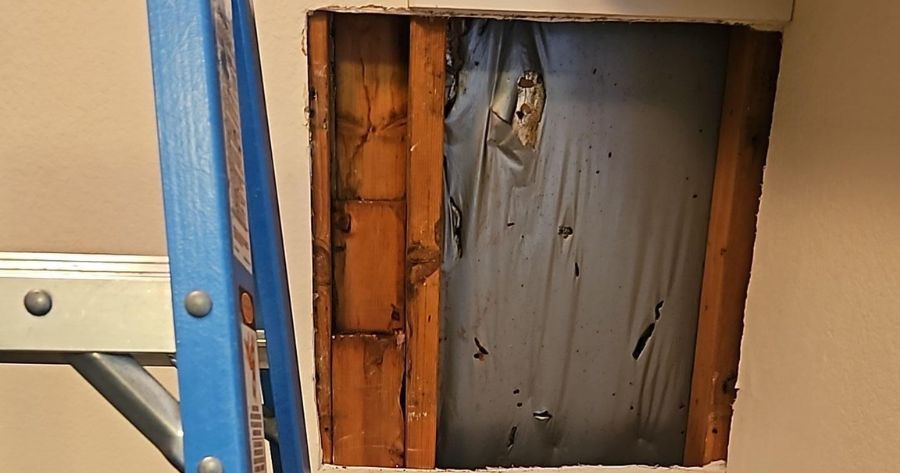
Once we identified the damaged spots, we began removing the wet drywall and insulation in the master closet. It was important to remove these materials quickly to avoid mold growth.
Step 3: Cleaning the Area with a HEPA Vacuum
After removing the damaged materials, we used a HEPA vacuum to clean up any dust and debris. This ensured the area was clean and prepared for the drying process, which was the next critical step in the water mitigation.
Step 4: Setting Up Drying Equipment
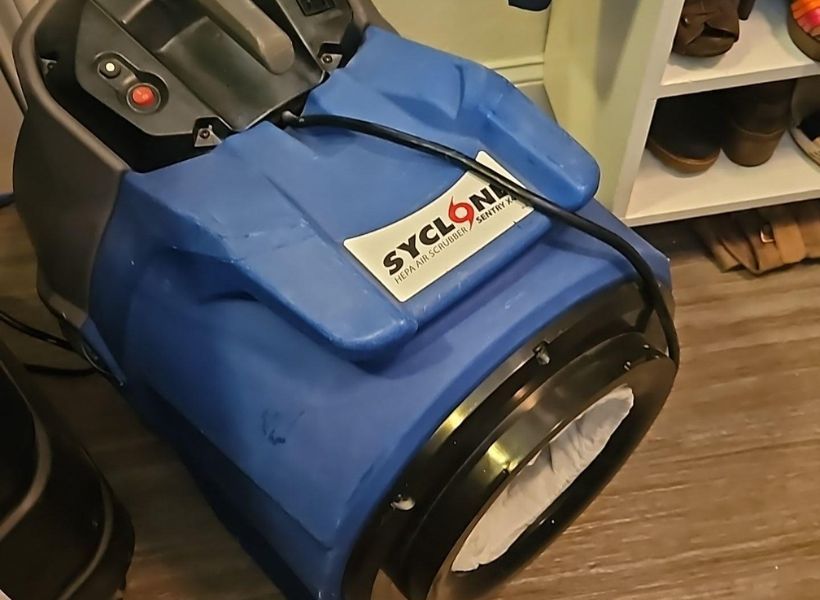
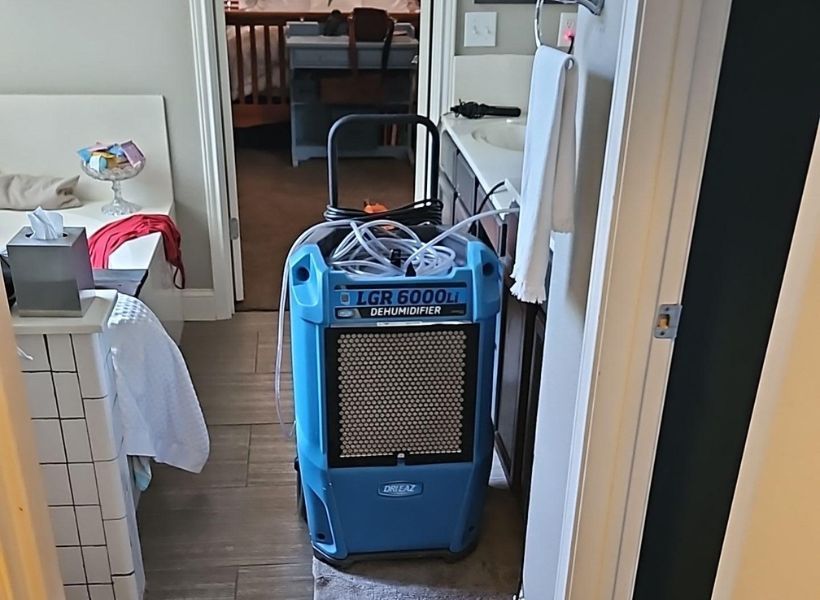
With the space cleared, we set up our drying equipment, which included dehumidifiers, air movers, and an air scrubber.
- Dehumidifying Process: The dehumidifiers helped reduce moisture levels in the air.
- Air Circulation: The air movers circulated air across all surfaces to speed up the drying process.
- Air Scrubbing: The air scrubber ensured clean air quality throughout the job by removing any airborne particles or contaminants.
The Monitoring of Drying Process
Over the next few days, we monitored the moisture levels in the master closet using our moisture meters to make sure everything was drying out properly. We left the drying equipment in place until we were confident that the moisture had been fully eliminated. By the end of the project, the closet was dry, the homeowner’s concerns about mold were addressed, and the air quality was significantly improved. We were happy to help restore their home to a safe, dry condition, ensuring that the next time it rained, they wouldn’t have to worry about further water damage.
Trust Texas Certified Restoration for Fast, Reliable Water Mitigation
Don’t let water damage linger and cause more problems in your home. Contact Texas Certified Restoration today for professional and quick water mitigation services. We’re here to restore your peace and protect your property - contact us now for a free consultation! You can do so by calling us at (512) 883-6760 or filling out an online form on our website.

Tracy King
About The Author:
Tracy King, of Texas Certified Restoration, brings over 10 years of combined industry experience to the disaster restoration field. Since the founding of the company, Tracy has been committed to providing professional and dependable restoration services to homeowners and businesses throughout the Greater Austin area. With a passion for helping clients navigate the challenges of water damage, fire damage, and other disaster-related situations, Tracy leads a certified team dedicated to delivering quality service that helps families and businesses resume normal life after unexpected emergencies.
Read More: