
How to Kill Mold on Drywall: Tips and Tricks
Updated on: May 28, 2024
Author: Tracy King
Dealing with mold on drywall is a pressing concern for homeowners everywhere, especially in humid areas like Austin. Fast action is key in preventing further damage and potential health risks. In this guide, we'll delve into the nitty-gritty of mold on drywall, from understanding its causes to safe removal techniques. If you need a company handling mold removal Austin, we have a suggestion for you. So keep reading!
Understanding Mold on Drywall
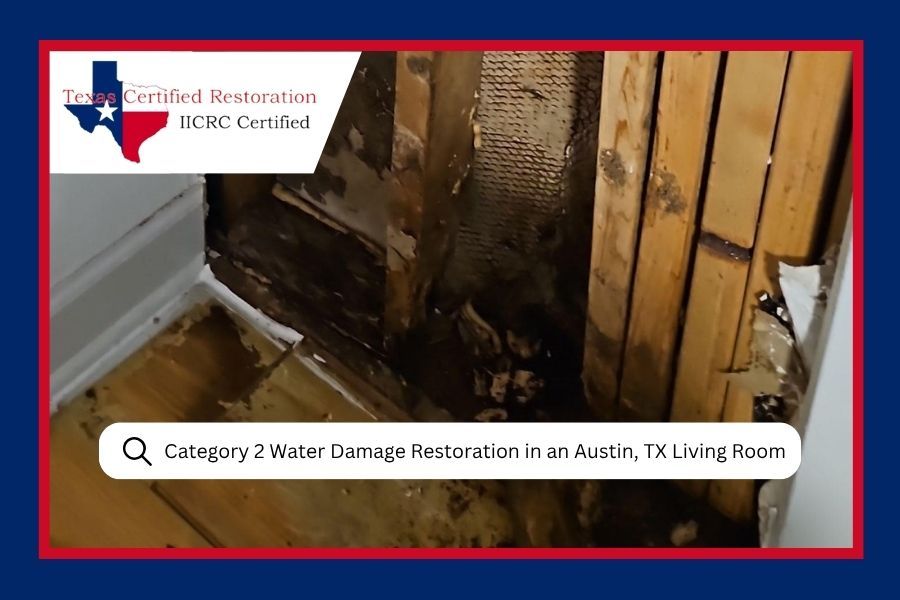
Mold, a type of fungus, develops in damp and humid environments, making drywall an ideal breeding ground. Common culprits for mold growth on drywall include persistent moisture issues and inadequate ventilation. If left unchecked, mold can spread rapidly and compromise the structural integrity of your walls.
Mold and Health Issues
Can mold cause health problems? If yes, what kinds of issues? Mold in your home can trigger health problems such as respiratory issues, allergies, and skin reactions. Certain molds produce toxins that can affect the nervous system and weaken the immune system, especially in vulnerable individuals. Long-term exposure may lead to chronic conditions like sinus infections and bronchitis. Promptly address mold to mitigate health risks and seek professional help if needed.
Identifying Mold on Drywall
Spotting mold on drywall isn't always straightforward. Look out for telltale signs, including:
- Discolored Patches: Look for areas of the drywall that appear darker or have unusual discoloration, which may indicate mold growth.
- Fuzzy Growth: Mold often manifests as fuzzy or powdery growth on the surface of the drywall, ranging in color from white and gray to green or black.
- Musty Smells: A musty or earthy smell, especially in enclosed spaces or rooms with poor ventilation, could signal the presence of hidden mold behind drywall.
- Peeling Wallpaper or Paint: Peeling or bubbling wallpaper or paint may indicate moisture buildup and potential mold growth beneath the surface.
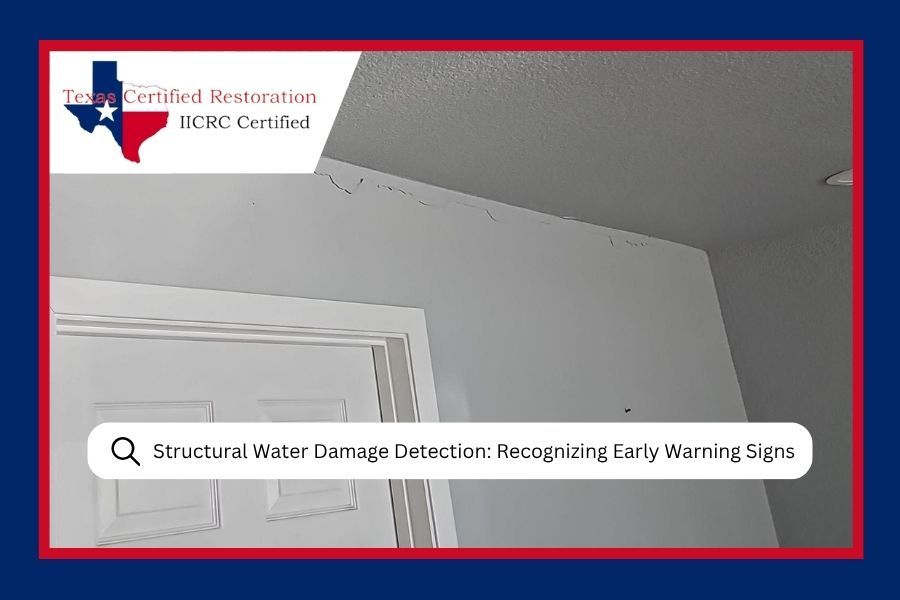
- Visible Water Stains: Water stains or streaks on drywall surfaces may be a sign of past or ongoing moisture issues, making them prone to mold infestation.
- Warped or Bulging Drywall: Drywall that appears warped, bulging, or soft to the touch may have absorbed moisture, creating favorable conditions for mold growth.
If you suspect hidden mold, gently peel back wallpaper or paint and examine the surface beneath.
Safety Precautions
Safety should be your top priority when tackling mold on drywall. Always wear protective gear such as gloves and a mask to shield yourself from mold spores and harsh cleaning chemicals.
Tips on How to Kill Mold on Drywall
How do I kill mold on drywall? When it comes to removing mold from drywall, a systematic approach is key. Before you start with the removal, you will need some tools and materials.
Supplies Needed:
Start by gathering your supplies and prepping the work area. You'll need:
- Scrub brushes
- Cleaning solution (water and detergent)
- Plastic sheeting
- Gloves
- Goggles
- Mask
- Trash bags
Many wonder about vinegar vs bleach for mold removal—while both can be effective, vinegar is often preferred for its natural and less harsh properties.
Steps for Safe Mold Removal:
Now that you have all the supplies you need, here are the steps for mold removal:
- Preparation:
Begin by gathering all necessary supplies and donning your protective gear: gloves, goggles, and a mask.
- Prep the Work Area:
Seal off the affected area with plastic sheeting to contain mold spores and prevent further contamination.
- Scrubbing:
Mix water and detergent to create a cleaning solution. Using a scrub brush, gently scrub the mold off the drywall surface, ensuring thorough coverage.
- Rinsing: After scrubbing, rinse the area with clean water to remove any remaining mold residue and cleaning solution.
- Drying:
Allow the drywall to air dry completely. Ensure proper ventilation to expedite the drying process and discourage mold regrowth.
- Disposal: Dispose of any contaminated materials, such as used cleaning supplies and disposable protective gear, in sealed trash bags. Properly seal and discard the bags to prevent mold spores from spreading.
Preventing Mold Growth
Prevention is the best defense against mold on drywall.
- Tackle Moisture Issues on Time:
Repair any leaks in plumbing or roofing to prevent moisture from seeping into your walls and creating an ideal environment for mold growth.
- Improve Ventilation: Ensure proper ventilation in bathrooms, kitchens, and other high-moisture areas to reduce humidity levels and encourage airflow, discouraging mold colonization.
- Monitor Indoor Humidity:
Keep indoor humidity levels below 60% by using air conditioners, especially during humid seasons, to stop mold growth.
- Inspect Regularly: Routinely inspect your home for signs of moisture pooling or water damage, such as damp spots or discoloration on walls or ceilings.
- Maintain Gutters and Downspouts:
Keep gutters and downspouts clear of debris to prevent water from pooling near your home's foundation and potentially seeping into the walls.
- Use Mold-Resistant Products: Use mold-resistant drywall or paint in areas prone to moisture, such as basements or bathrooms, to provide an additional barrier against mold growth.
- Promote Air Circulation:
Arrange furniture and belongings to allow for proper air circulation along walls and prevent condensation buildup, which can contribute to mold formation.
- Quickly Dry Wet Materials: Dry wet carpets, upholstery, and other water-damaged materials within 24-48 hours to prevent mold from taking hold. Use fans and dehumidifiers as needed to speed up the drying process.
Learn About - How Long Does My Landlord Have to Fix Mold Problems?
When to Seek Professional Help
For small mold issues, you can handle it yourself. But if it's big or keeps coming back, it's best to get help from the experts. Mold remediation experts have the expertise and specialized equipment to tackle stubborn mold infestations safely.
Contact Texas Certified Restoration for Expert Mold Removal Solutions
For top-notch mold remediation services in Austin, trust
Texas Certified Restoration. Our skilled team employs advanced techniques to safely eliminate mold from your home, ensuring a clean and healthy environment.
Contact us today for reliable solutions you can count on.

Tracy King
About The Author:
Tracy King, of Texas Certified Restoration, brings over 10 years of combined industry experience to the disaster restoration field. Since the founding of the company, Tracy has been committed to providing professional and dependable restoration services to homeowners and businesses throughout the Greater Austin area. With a passion for helping clients navigate the challenges of water damage, fire damage, and other disaster-related situations, Tracy leads a certified team dedicated to delivering quality service that helps families and businesses resume normal life after unexpected emergencies.
Read More: