Vinegar or Bleach: Which Works Better to Clean Mold?
Updated on: November 1, 2023
Author: Tracy King
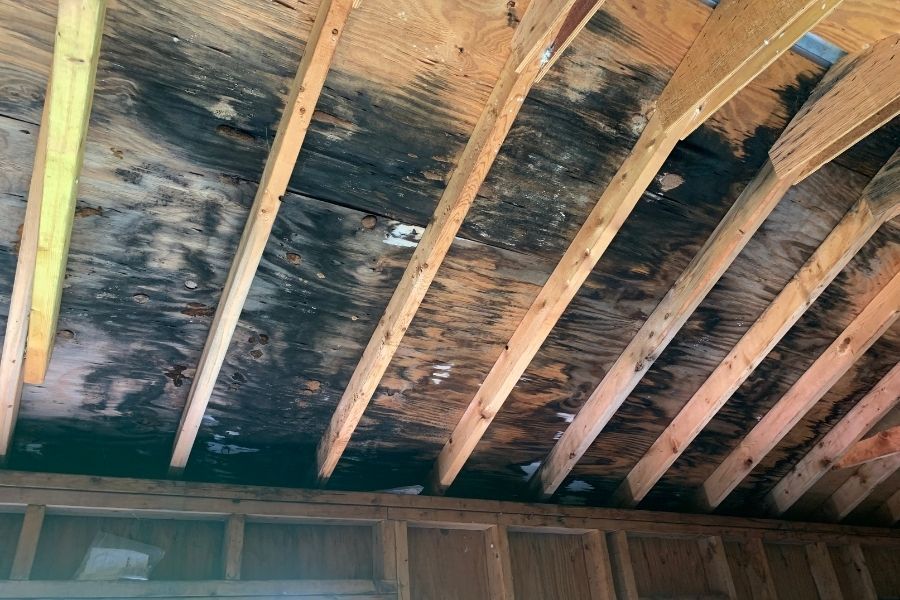
Everyone dreads finding mold in their homes. Not only is it an unsightly problem to have, but it can also pose several risks. For example, black mold can be dangerous to both human and pet health. Mold can even cause structural weakness in a home as it eats away at organic building materials, such as wood and drywall.
For all of those reasons and more, it’s important that homeowners act quickly to address mold problems as soon as they are spotted. The faster the mold remediation can be completed the less damage the homeowner will have to restore. However, it’s important that the right cleaning methods be used in order to get the most effective results.
Unfortunately, the average homeowner doesn’t have much experience with cleaning mold, so they have a lot of questions about what products to use. Specifically, many people wonder about the best
tips for killing mold on drywall and whether bleach or vinegar is the right option. Keep reading to learn more about these DIY cleaners and when to call a professional.
DIY Cleaning Options
Some mold problems are small enough that homeowners can DIY the cleaning process. In these cases, homeowners can use common household cleaning products such as bleach or vinegar. However, DIY cleaning isn’t always the best option.
When there is significant mold growth in a home, it’s more important to hire a
mold remediation professional than it is to try to cut corners and save money. Professionals have access to the right tools to complete a thorough mold remediation so that there is little to no risk of mold returning. Not only can they clean what is on the surface, but they can also get mold that is in floors and walls.
Homeowners should only attempt to DIY their mold problem if they caught it right away. If the mold has been growing for weeks or months, it’s likely that the homeowner won’t be able to reach all of the hidden spores with their household cleaners.
Does Vinegar or Bleach Kill Mold Spores?
It is true that both vinegar and bleach will kill mold spores. However, it’s important to note that vinegar and bleach are most effective on hard, non-porous surfaces. Vinegar can be used to treat mold spores that penetrate porous materials, but it must be used with caution.
Many homeowners make the mistake of applying too much bleach or liquid to porous building materials like wood or drywall. Unfortunately, excessive amounts of moisture of any kind–even those with disinfecting qualities–can contribute to more problems with mold growth and rot. For that reason, it’s important that homeowners know the best methods for applying vinegar or bleach to mold.
Steps for Cleaning with Bleach
Homeowners should use caution when cleaning mold with bleach. Not only should they wear the proper protective equipment, but they should also make sure to only treat non-porous surfaces. Bleach should never be used on drywall or wood floors because it can’t treat the underlying membrane.
If bleach is used homeowners should:
- Mix One Cup of Bleach with One Gallon of Water
- Pour Mixture into Spray Bottle
- Spray Affected Area
- Let Sit or Scrub if Needed
It’s also important that the homeowner ventilate their working space to protect themselves from breathing in the bleach fumes. Opening windows and doors is preferred, but fans can also help if no windows are available.
Steps for Cleaning with Vinegar
Homeowners who prefer to use vinegar as a cleaning solution should only use white distilled vinegar for their mold remediation. It is about 80% effective in cleaning the most common household mold varieties. It is also great for mold remediation because the mild acid helps to prevent mold from growing, unlike bleach which can actually feed mold.
If a homeowner decides to use vinegar, they should follow these steps:
- Wear Protective Gear
- Pour Vinegar into Spray Bottle
- Spray Vinegar on Moldy Areas
- Let Vinegar Soak for an Hour
- Scrub the Mold with Baking Soda Solution (If Needed)
- Rinse Area with Warm, Clean Water
- Spray Area with Vinegar and Let Dry
These steps can be repeated as needed. However, it’s important that homeowners allow the area to dry completely in between treatments to avoid promoting more damage to the building materials.
If you're a renter, be aware of landlord responsibilities for fixing mold. Landlords are typically obligated to address mold issues caused by structural defects or plumbing problems.
Find out More About How Vinegar and Bleach Can Help with Mold Remediation
Want to know more about how a professional can provide effective mold remediation solutions? If so, customers are encouraged to reach out to Texas Certified Restoration right away. Their mold remediation can tell more about the benefits of professional solutions over DIY vinegar cleaning.
Customers should call today to ask questions or to request
mold removal services in Austin. The company also has a convenient
online form for homeowners to submit for a free quote.

Tracy King
About The Author:
Tracy King, of Texas Certified Restoration, brings over 10 years of combined industry experience to the disaster restoration field. Since the founding of the company, Tracy has been committed to providing professional and dependable restoration services to homeowners and businesses throughout the Greater Austin area. With a passion for helping clients navigate the challenges of water damage, fire damage, and other disaster-related situations, Tracy leads a certified team dedicated to delivering quality service that helps families and businesses resume normal life after unexpected emergencies.
Read More: